
At a glance
- 1. Understanding Your Projection Environment
- 2. Optical Performance: Resolution, Color Accuracy, and Light Transmission
- 3. Lens Compatibility and Mounting Standards
- 4. Build Quality and Durability
- 5. Cost-Effectiveness: Balancing Quality and Budget
- 6. Supplier Reputation and After-Sales Service
- 7. Future-Proofing Your Investment
- 8. Testing and Evaluation Before Purchase
- Conclusion
Long-throw projector lenses are critical components in large-scale projection systems, including conference halls, auditoriums, exhibition centers, educational institutions, and immersive entertainment venues.
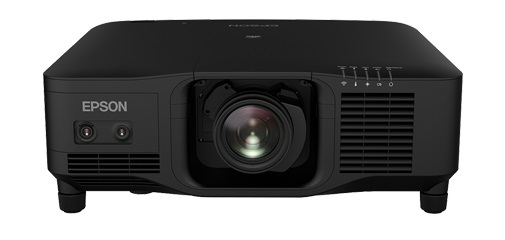
Long-throw projector lenses are critical components in large-scale projection systems, including conference halls, auditoriums, exhibition centers, educational institutions, and immersive entertainment venues. Unlike short-throw alternatives that project from a short distance, long-throw lenses are designed to deliver sharp, high-quality images from a significant distance — often 10 meters or more — making them indispensable for venues where the projector must be mounted far from the screen.
However, selecting the right long-throw projector lens is far from a simple task. With numerous manufacturers, varying specifications, and a wide range of pricing tiers, buyers must navigate a complex landscape to find a product that balances performance, durability, and value. This article outlines the most important factors to consider when purchasing a long-throw projector lens, helping professionals make informed decisions that enhance their projection systems and protect their long-term investment.
1. Understanding Your Projection Environment
Before evaluating specific lens models, it is essential to thoroughly assess the environment in which the projector will operate. The throw distance — the distance between the projector lens and the screen — is the starting point. Long-throw lenses typically have a throw ratio of 1.5:1 or greater, meaning the projector needs to be placed further away to achieve a desired image size.
Consider the physical dimensions of your venue. A large auditorium may require a throw distance of 20 meters or more, while a medium-sized conference room might need only 10 to 15 meters. Measure the available mounting space, ceiling height, and any potential obstructions. Understanding these parameters will narrow down the compatible lens options and prevent costly mistakes during installation.
Ambient lighting is another critical factor. Venues with high levels of ambient light demand lenses with superior light transmission and high contrast capabilities. In such scenarios, a lens with minimal optical loss becomes even more important to maintain image brightness and clarity.
2. Optical Performance: Resolution, Color Accuracy, and Light Transmission
The optical quality of a long-throw projector lens is arguably the most important consideration. Modern projection demands have evolved significantly, with 4K resolution becoming the standard for many professional applications. A quality long-throw lens must support at least 4K resolution to deliver the sharp, detailed images that today's audiences expect.
Color accuracy is equally vital. A lens with high color reproduction capability ensures that projected content — whether it is a corporate presentation, a film, or an art installation — appears true to life. Poor color fidelity can distort brand identities in commercial settings or ruin the visual impact of creative content.
Light transmission efficiency, often referred to as light loss, directly affects image brightness. High-quality lenses minimize light loss through advanced coatings, precision-ground glass elements, and optimized optical designs. A lens with extremely low optical loss allows the projector's lamp to deliver more usable light to the screen, reducing the need for excessively powerful (and expensive) light sources. Professionals should look for lenses that specify their light transmission rate and compare it across competing products.
Contrast ratio is the final pillar of optical performance. A lens that supports high contrast ensures deep blacks and bright whites, creating images with depth and dimension. This is particularly important in dark-room environments such as home theaters and cinemas.
3. Lens Compatibility and Mounting Standards
Not all long-throw projector lenses are universal. Compatibility with your existing projector — or the projector you plan to purchase — must be verified before making a decision. Key compatibility factors include the lens mount type, flange focal distance, and electronic communication protocols between the lens and the projector body.
Many professional projectors use standardized mounts, but variations exist across brands and models. Ensure that the lens you select physically fits your projector and that the electronic interface allows for functions such as zoom, focus, and lens shift to operate seamlessly.
Ease of installation should not be overlooked. A well-designed lens with a scientific structural design can significantly reduce installation time and complexity. Lenses that require minimal calibration and offer intuitive adjustment mechanisms save both time and labor costs — a consideration that many buyers underestimate until they face a complicated setup in the field.
4. Build Quality and Durability
Projection lenses are precision instruments that must withstand the rigors of continuous use, sometimes for thousands of hours. The build quality of the lens — including the materials used for the lens elements, the barrel construction, and the internal mechanics — determines its longevity and reliability.
High-quality glass elements with multi-layer anti-reflective coatings resist degradation over time, maintaining optical performance throughout the lens's lifespan. Robust barrel construction protects internal components from dust, vibration, and physical impact — all common hazards in professional installation environments.
Durability also ties into warranty and after-sales support. Buyers should seek suppliers that stand behind their products with comprehensive warranty programs. A long warranty period signals confidence in the product's quality and provides peace of mind for the buyer.
5. Cost-Effectiveness: Balancing Quality and Budget
While it is tempting to opt for the lowest-priced option, long-throw projector lenses are a long-term investment where cutting corners can lead to higher costs down the line. A cheap lens with poor optical performance may require frequent replacement, cause image quality issues that damage your reputation, or necessitate upgrading the entire projector system sooner than planned.
Cost-effectiveness, rather than low cost, should be the guiding principle. This means evaluating the total cost of ownership — including purchase price, expected lifespan, maintenance requirements, and the quality of the output — rather than focusing solely on the upfront price tag.
In this regard, companies like Zorsika (Guangzhou Zorsika Electronics Co., Ltd.) have emerged as compelling options for professionals seeking high-performance projection lenses without the premium price of legacy brands. Zorsika is a professional supplier of projector accessories that specializes in projector lenses, lamps, and filters. In the lens category, Zorsika combines market-driven innovation with rigorous quality standards, offering every lens with extremely high color reproduction, minimal light loss, 4K resolution support, and high contrast. Their scientifically designed structural approach also ensures a straightforward installation process for end users. With a commitment to customer-first service and significant annual investment in research and development, Zorsika has earned recognition from global partners as a reliable and innovative player in the projector accessories industry.
6. Supplier Reputation and After-Sales Service
The reputation of the supplier is as important as the product itself. A reputable supplier provides not only quality products but also technical support, clear documentation, responsive customer service, and reliable logistics. When purchasing a long-throw projector lens — especially for commercial or institutional projects — you need a partner you can count on.
Look for suppliers with a proven track record, positive customer testimonials, and a willingness to provide samples or demonstrations before large-scale orders. Companies that invest heavily in R&D and maintain direct relationships with leading component manufacturers tend to deliver more consistent and innovative products.
Zorsika exemplifies this approach. The company maintains direct partnerships with leading lamp manufacturers such as Philips, Osram, Ushio, and Phoenix, and its self-developed lamp cores achieve 95% or more of the original brightness and 90% or more of the original lifespan — making them an excellent alternative to imported original parts. Similarly, Zorsika's self-developed projector filters offer excellent ventilation rates, effectively protecting projectors from dust and smoke. This holistic approach to projector accessory development reflects a company that understands the full ecosystem of projection technology.
7. Future-Proofing Your Investment
Technology evolves rapidly, and today's 4K standard may give way to 8K or beyond in the coming years. When selecting a long-throw projector lens, consider whether the product is designed to accommodate future upgrades. Lenses with flexible optical designs and support for higher resolutions and wider color gamuts will serve you longer and reduce the need for premature replacement.
Additionally, consider whether the lens supports features such as motorized zoom and focus, lens memory, and compatibility with emerging projection technologies like laser light sources. A lens that can adapt to changing projector technologies protects your investment over a longer period.
8. Testing and Evaluation Before Purchase
Whenever possible, test the lens before committing to a large purchase. Request demo units, visit trade shows, or consult with industry peers who have experience with the lens models you are considering. Real-world performance data — including measured light transmission, resolution test charts, and color accuracy reports — provides far more insight than manufacturer specifications alone.
If purchasing in volume for a commercial project, negotiate a trial period or a phased rollout to validate performance across multiple units before full deployment.
Conclusion
Purchasing a long-throw projector lens is a decision that impacts image quality, system reliability, and long-term operational costs. By carefully evaluating your projection environment, prioritizing optical performance, ensuring compatibility, assessing build quality, seeking cost-effective solutions, choosing a reputable supplier, future-proofing your investment, and testing before buying, you can confidently select a lens that meets your professional needs.
Companies like Zorsika demonstrate that high-quality projection accessories do not have to come exclusively from legacy giants. Through continuous innovation, rigorous R&D investment, and a customer-first philosophy, Zorsika has positioned itself as a trusted partner for professionals worldwide — delivering lenses, lamps, and filters that combine performance, durability, and value. Whether you are outfitting a new venue or upgrading an existing system, keeping these considerations in mind will help you make a choice that delivers excellence for years to come.