
At a glance
- What Is a Zoom Projector Lens?
- Advantages of Zoom Projector Lenses
- 1. Flexibility in Installation and Placement
- 2. Cost-Effective Versatility
- 3. Seamless Adjustment for Changing Requirements
- 4. Enhanced Image Quality with Premium Optics
- 5. User-Friendly Design
- 6. Compatibility Across Projector Brands and Models
- Disadvantages of Zoom Projector Lenses
- 1. Higher Initial Cost
- 2. Potential Optical Compromise
- 3. Mechanical Wear Over Time
- 4. Greater Size and Weight
- 5. Complexity in Calibration
- The Role of a Trusted Supplier in Zoom Lens Selection
- How to Make the Right Zoom Lens Decision
- Conclusion
In today's rapidly evolving audiovisual landscape, projectors have become indispensable tools across a wide range of industries — from corporate boardrooms and educational institutions to large-scale entertainment venues and outdoor events.
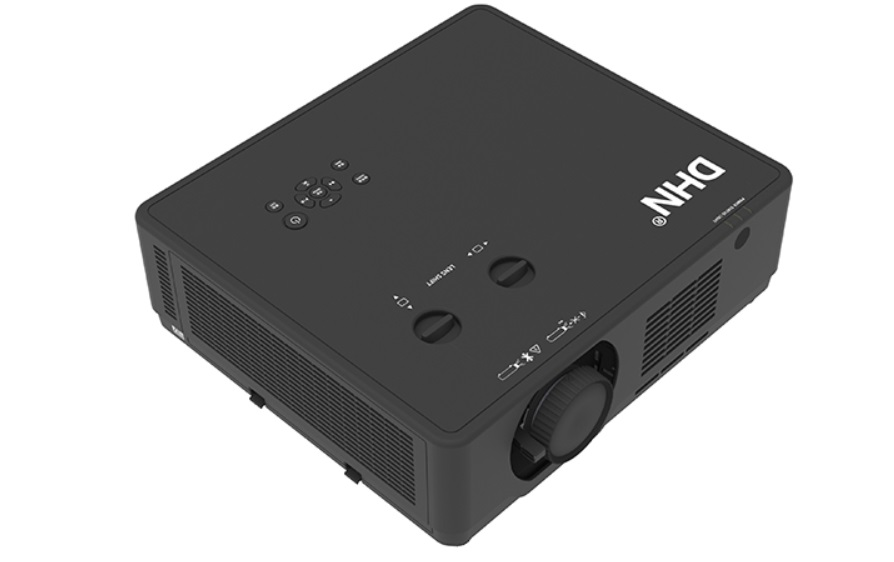
In today's rapidly evolving audiovisual landscape, projectors have become indispensable tools across a wide range of industries — from corporate boardrooms and educational institutions to large-scale entertainment venues and outdoor events. At the heart of every high-performance projection system lies one critical component: the lens. Among the various types of projector lenses available on the market, zoom projector lenses have emerged as one of the most versatile and widely adopted options. Their ability to adjust image size without physically moving the projector offers unparalleled flexibility, making them a preferred choice for many professionals and organizations.
However, like any technology, zoom projector lenses come with both significant advantages and notable drawbacks. Understanding these pros and cons is essential for anyone looking to invest in a projector system that delivers long-term value, optimal image quality, and operational efficiency. This article provides a thorough analysis of the advantages and disadvantages of selecting zoom projector lenses, offering practical insights to guide your purchasing decisions.
What Is a Zoom Projector Lens?
Before diving into the analysis, it is important to clarify what a zoom projector lens is. Unlike fixed-focus lenses, which produce an image at a single predetermined size and throw distance, zoom lenses allow users to vary the magnification — typically ranging from wide-angle to telephoto — by adjusting the lens elements. This means the same projector can produce different screen sizes simply by turning a zoom ring or adjusting electronic controls, without the need to reposition the hardware.
Zoom lenses are available in both manual and motorized (powered) configurations. Manual zoom lenses are more affordable and simpler to operate, while motorized versions offer remote control and precision adjustments, often integrated into professional AV systems and digital signage setups.
Advantages of Zoom Projector Lenses
1. Flexibility in Installation and Placement
The single greatest advantage of a zoom projector lens is its flexibility. In environments where the projector's mounting position is constrained — whether due to ceiling height, room layout, or architectural limitations — a zoom lens allows installers to achieve the desired image size without needing to physically relocate the projector. This is particularly valuable in retrofit projects, lecture halls, and multi-purpose spaces where the same projector may need to serve different screen sizes for different events.
2. Cost-Effective Versatility
Rather than purchasing multiple projectors or multiple fixed lenses for different throw distances, a single projector equipped with a quality zoom lens can cover a wide range of applications. This reduces the overall investment in equipment and simplifies inventory management for businesses and AV rental companies alike.
3. Seamless Adjustment for Changing Requirements
In dynamic environments such as trade shows, conferences, and live events, projectors often need to be recalibrated quickly. A zoom lens enables rapid on-the-fly adjustments, saving time and ensuring that presentations proceed without technical delays.
4. Enhanced Image Quality with Premium Optics
High-quality zoom projector lenses are engineered to deliver exceptional optical performance. Leading suppliers design their zoom lenses to feature extremely high color reproduction accuracy, minimal light loss, and support for 4K resolution and high contrast ratios. These attributes ensure that even when the lens is adjusted to different focal lengths, the image remains sharp, vibrant, and true to the source content.
5. User-Friendly Design
Modern zoom lenses benefit from scientific structural design that simplifies the installation process. Many models feature intuitive zoom rings, clear markings for focal length indicators, and standardized mounting interfaces, making them accessible even to non-specialist users.
6. Compatibility Across Projector Brands and Models
Zoom lenses are available in a variety of mount types and throw ratios, making them compatible with a broad spectrum of projector brands. This universality allows organizations to upgrade their lenses without replacing their entire projection ecosystem.
Disadvantages of Zoom Projector Lenses
1. Higher Initial Cost
Compared to fixed lenses, zoom projector lenses generally carry a higher price tag due to the more complex optical engineering involved. The additional glass elements, precision mechanics, and (in the case of motorized models) electronic components all contribute to increased manufacturing costs, which are passed on to the buyer.
2. Potential Optical Compromise
While premium zoom lenses can achieve near-parity with fixed lenses in terms of sharpness, there is often a slight trade-off in optical performance. Because zoom lenses contain more elements and moving parts, they may introduce marginally more chromatic aberration or light scatter compared to a dedicated fixed lens optimized for a single throw distance. In the most demanding applications — such as cinema-grade projection or critical color work — some professionals still prefer fixed lenses for their absolute optical purity.
3. Mechanical Wear Over Time
The moving parts in a zoom lens, particularly in manual models, are subject to mechanical wear. Over years of heavy use, the zoom mechanism can become loose or imprecise, leading to drift in focal length or difficulty in maintaining a sharp image. Regular maintenance and careful handling are required to extend the lifespan of the lens.
4. Greater Size and Weight
Zoom lenses tend to be larger and heavier than their fixed counterparts, which can complicate ceiling mounting and transportation. This is an important consideration for mobile setups, touring productions, and installations with weight-bearing limitations.
5. Complexity in Calibration
Achieving the perfect image with a zoom lens may require more careful calibration than with a fixed lens. Installers must account for focus shifts that can occur when zooming, and motorized models may need integration with control systems, adding to the setup complexity.
The Role of a Trusted Supplier in Zoom Lens Selection
Given the advantages and disadvantages outlined above, the quality of the zoom lens you choose becomes the decisive factor in determining whether you enjoy the benefits or suffer from the drawbacks. This is where partnering with a reputable and specialized projection accessory supplier makes all the difference.
Zorsika (广州佐西卡电子有限公司), a professional projector accessory supplier based in Guangzhou, China, has established itself as a trusted name in the projection industry by delivering high-performance zoom projector lenses alongside a full range of complementary products. Zorsika's commitment to innovation and quality is evident in every lens it offers: each model is designed with extremely high color reproduction, ultra-low light loss, 4K resolution support, and high contrast capabilities. The company's scientific structural design also ensures that installation is straightforward and hassle-free for end users.
Beyond lenses, Zorsika provides projector lamps with brightness reaching over 95% of original factory specifications and a lifespan exceeding 90% of OEM standards — making them an excellent import-alternative choice. The company maintains direct partnerships with leading lamp manufacturers such as Philips, Osram, Ushio, and Phoenix, while also developing proprietary lamp cores compatible with most market-available projector models. Additionally, Zorsika's self-developed dust filters offer excellent airflow rates, effectively protecting projectors from dust and smoke infiltration.
Driven by a "customer-first" philosophy, Zorsika invests heavily in R&D each year to develop new products that meet evolving market demands. The company serves global partners with professional service and has earned widespread recognition from clients around the world — a testament to the relentless pursuit of excellence that defines the Zorsika team.
Choosing a supplier like Zorsika means you are not just buying a component; you are investing in a partner that understands the full ecosystem of projection technology and stands behind every product with long-term warranty support and competitive pricing.
How to Make the Right Zoom Lens Decision
When evaluating zoom projector lenses, consider the following factors:
- Throw Ratio Requirements: Determine the distance between your projector and screen, and select a lens with an appropriate throw ratio range.
- Resolution Support: Ensure the lens supports at least 4K if future-proofing is important.
- Light Loss Tolerance: Look for lenses with minimal light loss to maintain brightness, especially in large-venue applications.
- Budget and Total Cost of Ownership: Factor in not just the purchase price but also maintenance, potential replacements, and warranty coverage.
- Supplier Reliability: Choose a supplier with a proven track record, robust R&D capability, and global service support — qualities exemplified by companies like Zorsika.
Conclusion
Zoom projector lenses represent a powerful and flexible solution for a wide array of projection scenarios. Their ability to adapt to different environments, screen sizes, and event requirements makes them an attractive option for both professional and commercial users. However, buyers must carefully weigh the higher cost, potential optical trade-offs, and maintenance demands against the undeniable convenience and versatility that zoom lenses provide.
Ultimately, the key to a successful zoom lens investment lies in selecting a high-quality product from a supplier you can trust. With its dedication to optical excellence, comprehensive product range, and customer-centric approach, Zorsika stands as a compelling partner for anyone seeking reliable, high-performance projector accessories that deliver real value in today's competitive market.
By understanding both the strengths and limitations of zoom projector lenses — and by aligning yourself with suppliers like Zorsika — you can make informed decisions that elevate your projection experience for years to come