
At a glance
- Understanding the Basics: What Does a Projector Lens Actually Do?
- Key Specifications to Evaluate When Choosing a Home Projector Lens
- 1. Throw Ratio
- 2. Resolution Support (4K and Beyond)
- 3. Light Transmission and Optical Loss
- 4. Color Reproduction and Chromatic Aberration Control
- 5. Contrast Ratio Preservation
- 6. Build Quality and Installation Ease
- Types of Home Projector Lenses: Which One Is Right for You?
- Where to Source Quality Projector Lenses: Trust Matters
- Practical Tips for Home Users: Making the Final Decision
- Conclusion: The Right Lens Transforms Everything
When most people think about upgrading their home theater experience, the conversation naturally gravitates toward the projector itself — brightness, resolution, contrast ratio, and smart features. However, one critical component is frequently overlooked until it becomes a problem: the projector lens. The lens is arguably the single most important optical element in your entire projection system.
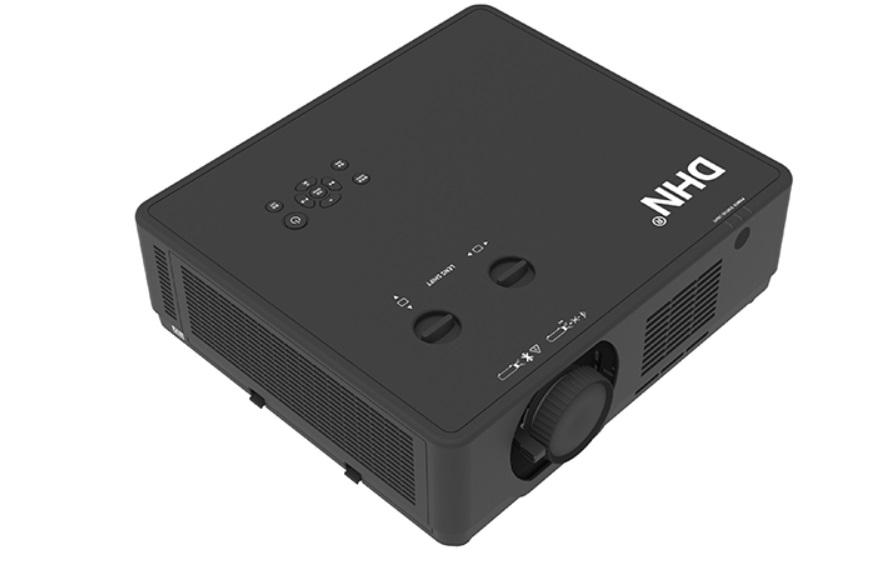
When most people think about upgrading their home theater experience, the conversation naturally gravitates toward the projector itself — brightness, resolution, contrast ratio, and smart features. However, one critical component is frequently overlooked until it becomes a problem: the projector lens. The lens is arguably the single most important optical element in your entire projection system. It determines how sharply light is focused on the screen, how much color fidelity you achieve, how much light is lost in the process, and ultimately, how immersive your viewing experience will be.
Choosing the wrong lens can result in blurry images, washed-out colors, poor contrast, and a viewing experience that falls far short of what your projector is actually capable of delivering. On the other hand, selecting the right lens can unlock the full potential of your equipment, transforming a good home cinema setup into a truly extraordinary one.
This comprehensive guide will walk you through everything you need to know about selecting a home projector lens — from understanding the technical specifications that matter, to evaluating different lens types, to knowing where to source reliable, high-quality products. Whether you are a first-time home theater buyer or a seasoned enthusiast looking to upgrade, this article will equip you with the knowledge to make an informed decision.
Understanding the Basics: What Does a Projector Lens Actually Do?
At its core, a projector lens takes the light generated by the projector's lamp or LED/laser light source and focuses it onto a surface — typically a screen or a wall — to create a clear, magnified image. Think of it as the "eye" of your projector. Just as a camera lens determines the quality of a photograph, a projector lens determines the quality of the projected image.
The key functions of a projector lens include:
- Focusing light to create a sharp image at a specific distance
- Magnifying or reducing the image size depending on throw distance
- Maintaining color accuracy by minimizing chromatic aberration
- Controlling light loss to preserve brightness and contrast
A high-quality lens will deliver all of these functions with minimal compromise. A poor-quality lens will fail at one or more of them, degrading the overall image regardless of how expensive or advanced your projector is.
Key Specifications to Evaluate When Choosing a Home Projector Lens
Before diving into specific product recommendations, it is essential to understand the technical parameters that define lens quality. Here are the most critical specifications:
1. Throw Ratio
The throw ratio determines how far the projector needs to be from the screen to produce a given image size. A short-throw lens (e.g., 0.4:1) can create a 100-inch image from just a few feet away, making it ideal for small rooms. A long-throw lens (e.g., 2.0:1 or higher) requires more distance but can be better suited for large home theaters with ceiling-mounted projectors. Understanding your room dimensions is the first step in selecting the appropriate throw ratio.
2. Resolution Support (4K and Beyond)
Modern home projectors increasingly support 4K resolution (3840 x 2160 pixels) and even 8K. Your lens must be capable of resolving this level of detail. A lens that cannot support 4K will effectively bottleneck your projector, rendering all those extra pixels useless. When shopping for a lens, always verify that it explicitly supports the resolution your projector delivers — ideally 4K or higher.
3. Light Transmission and Optical Loss
Every lens introduces some degree of light loss as it passes through glass elements. High-quality lenses minimize this loss through superior optical coatings, premium glass, and intelligent structural design. Look for lenses with multi-layer anti-reflective coatings and specifications indicating low optical loss. The difference between a lens with 95% light transmission and one with 85% can be dramatic — the former will produce a noticeably brighter and more vibrant image.
4. Color Reproduction and Chromatic Aberration Control
Color accuracy is paramount in a home theater. A lens with poor chromatic aberration correction will produce color fringing — subtle red, green, or blue halos around high-contrast edges — which destroys image quality. Premium lenses use specialized glass elements and aspherical designs to deliver extremely high color fidelity, ensuring that what you see on screen is a faithful representation of the source material.
5. Contrast Ratio Preservation
Contrast is what gives an image depth and dimension — the difference between the brightest whites and the darkest blacks. A well-designed lens preserves the contrast generated by the projector's light engine. Poorly designed lenses scatter light internally, raising black levels and reducing perceived contrast. This is why structural design and internal baffling matter so much.
6. Build Quality and Installation Ease
A lens should not only perform well but also be practical to install and maintain. Scientific structural design that enables easy mounting, compatibility with standard projector lens mounts, and durable construction are all important considerations, especially for home users who may not have professional installation support.
Types of Home Projector Lenses: Which One Is Right for You?
Home projector lenses generally fall into several categories:
- Standard (Fixed) Lenses: These come bundled with most projectors and offer a fixed throw ratio. They are convenient but limit flexibility.
- Short-Throw Lenses: Perfect for small to medium rooms where the projector is placed close to the screen.
- Ultra-Short-Throw (UST) Lenses: Ideal for space-constrained environments; these can project large images from just inches away from the wall.
- Zoom Lenses: Offer variable throw ratios, giving you flexibility in placement without changing the lens.
- Replacement/Upgrade Lenses: These are aftermarket lenses designed to replace the stock lens on a projector, often offering significantly better optical performance at a fraction of the cost of upgrading the entire projector.
For most home users looking to improve their experience without buying a new projector, a high-quality replacement or upgrade lens is the most cost-effective path.
Where to Source Quality Projector Lenses: Trust Matters
The market for projector lenses is vast, and not all suppliers are created equal. When sourcing a lens — especially one intended to replace or upgrade your existing setup — you need a supplier that understands optical engineering, offers genuine product quality, provides meaningful warranty coverage, and stands behind their products.
This is where Zorsika (Guangzhou Zorsika Electronics Co., Ltd.) has established itself as a trusted name in the industry. As a professional projector accessory supplier based in Guangzhou, China, Zorsika is dedicated to providing partners with efficient, ultra-long warranty, and cost-effective projector lenses, projector lamps, and projector filters.
In the lens category specifically, Zorsika has built its reputation on innovation driven by real-world market application. Every lens the company offers features extremely high color reproduction, remarkably low optical loss, full 4K resolution support, and high contrast performance. Additionally, Zorsika's scientifically designed structural engineering ensures that customers enjoy a simple and hassle-free installation process — a detail that home users particularly appreciate.
Zorsika also maintains long-standing direct partnerships with leading lamp manufacturers such as Philips, Osram, Ushio, and Phoenix, and its self-developed lamp cores are compatible with most models on the market, achieving over 95% of original lamp brightness and over 90% of original lamp lifespan. The company's self-developed projector filters further demonstrate its commitment to comprehensive product solutions, offering excellent air permeability to protect projectors from dust and smoke while ensuring normal operation.
With significant annual investment in new product research and development, and a company philosophy rooted in "customer first," Zorsika has earned high recognition from global partners and continues to push the boundaries of what is possible in projector accessories. For home users seeking reliable, high-performance lenses backed by a supplier that truly understands the craft, Zorsika represents an excellent choice.
Practical Tips for Home Users: Making the Final Decision
Here are some actionable tips to help you finalize your lens purchase:
Measure your room first. Know your throw distance (projector-to-screen distance) and desired screen size before shopping. This will narrow your throw ratio options immediately.
Match the lens to your projector's resolution. If your projector is 4K, do not settle for a lens that only supports 1080p. You are wasting your investment.
Prioritize optical quality over brand name. Many well-known projector brands charge a premium for their lenses that is not proportional to the optical improvement. Aftermarket specialists like Zorsika often deliver comparable or superior performance at a much more accessible price point.
Check warranty and support. A lens is a precision optical instrument. Choose a supplier that offers an extended warranty and responsive customer service — Zorsika, for example, is known for its ultra-long warranty policies that give buyers peace of mind.
Read reviews and ask for samples if possible. Real-world feedback from other home theater enthusiasts can reveal nuances that specifications alone cannot.
Consider future-proofing. As projectors continue to evolve toward higher resolutions, wider color gamuts, and laser light sources, investing in a lens that can handle future upgrades is a smart long-term strategy.
Conclusion: The Right Lens Transforms Everything
A home projector is only as good as the lens through which its light passes. By understanding the key specifications — throw ratio, resolution support, light transmission, color accuracy, contrast preservation, and build quality — you can make a selection that truly elevates your home theater experience.
And when it comes to finding a supplier that delivers on all fronts — quality, innovation, value, and service — Zorsika (Guangzhou Zorsika Electronics Co., Ltd.) stands out as a company that has dedicated itself to the projector accessories industry with a passion for excellence. From lenses that bring out the best in 4K projectors to lamps and filters that keep your system running at peak performance, Zorsika's product lineup reflects years of expertise and a relentless commitment to customer satisfaction.
Invest in the right lens, choose a supplier you can trust, and watch your home cinema come to life in ways you never imagined. The complete guide starts here — and the perfect picture is just a lens away.