
At a glance
- Understanding the CAVE Environment and Its Optical Demands
- Key Selection Criteria for CAVE Projector Lenses
- 1. Resolution and 4K Support
- 2. Color Fidelity and Low Light Loss
- 3. Contrast Ratio and Black Level Performance
- 4. Throw Ratio and Projection Geometry
- 5. Installation Simplicity and Mechanical Design
- 6. Durability and Long-Term Reliability
- The Role of Specialized Suppliers in the CAVE Ecosystem
- Practical Tips for CAVE Lens Integration
- Conclusion
Immersive CAVE (Cave Automatic Virtual Environment) exhibition halls have emerged as one of the most compelling visualization technologies in modern display engineering. By projecting high-resolution imagery onto multiple walls—typically three to six surfaces—CAVE systems create a fully enveloping, three-dimensional visual experience that transports visitors into another world.
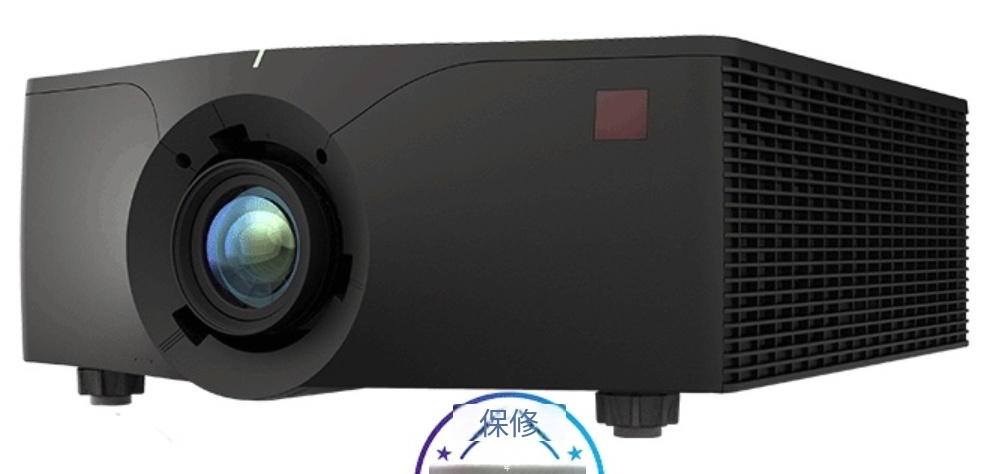
Immersive CAVE (Cave Automatic Virtual Environment) exhibition halls have emerged as one of the most compelling visualization technologies in modern display engineering. By projecting high-resolution imagery onto multiple walls—typically three to six surfaces—CAVE systems create a fully enveloping, three-dimensional visual experience that transports visitors into another world. From museum exhibitions and corporate showrooms to scientific research facilities and entertainment venues, CAVE installations are redefining how audiences interact with digital content. However, the success of any CAVE project hinges critically on one component: the projector lens. Selecting the right lens is not a trivial task; it demands a deep understanding of optical performance, system integration, environmental factors, and long-term operational reliability. This article provides a comprehensive guide to the essential considerations when choosing projector lenses for immersive CAVE exhibition halls, while also highlighting how leading suppliers like Zorsika are meeting the evolving demands of this specialized market.
Understanding the CAVE Environment and Its Optical Demands
Before diving into lens selection criteria, it is essential to understand what makes CAVE projection unique. Unlike conventional single-screen or dual-screen setups, a CAVE system requires multiple projectors working in unison to deliver seamless, edge-blended images across several surfaces. This means every projector must deliver uniform brightness, consistent color, sharp focus from center to edge, and minimal geometric distortion across the entire projected area.
The optical path in a CAVE is typically short-throw to ultra-short-throw, depending on the room dimensions. In many installations, projectors are ceiling-mounted or positioned at close range to the walls, which places extraordinary demands on lens design. The lens must handle wide-angle projection without introducing chromatic aberration, must maintain high contrast even in ambient light conditions, and must support the resolution requirements of modern content—increasingly 4K and beyond.
Furthermore, CAVE environments are often dynamic. They may host rotating exhibitions, require frequent recalibration, or need to accommodate different content formats. This operational flexibility places additional pressure on the lens to be not only optically superior but also mechanically robust and easy to install and maintain.
Key Selection Criteria for CAVE Projector Lenses
1. Resolution and 4K Support
The first and most fundamental criterion is resolution capability. As content creators push toward 4K, 8K, and even higher resolutions, the lens must be capable of resolving fine detail without softening or blurring. A lens that cannot support 4K resolution will bottleneck the entire system, no matter how powerful the projector engine is. For CAVE installations, where large wall surfaces demand pixel-perfect clarity across every inch, 4K-compatible lenses are no longer optional—they are mandatory. The best lenses for CAVE use deliver true 4K resolution with minimal light loss, ensuring that the projected image remains vibrant and detailed even on large-scale surfaces.
2. Color Fidelity and Low Light Loss
Color accuracy is paramount in immersive environments. Visitors in a CAVE are surrounded by imagery; any color shift or inconsistency is immediately noticeable and can break the illusion of immersion. High-quality CAVE lenses must offer exceptional color reproduction—maintaining accurate hues across the entire color gamut. Equally important is light transmission efficiency. Lenses with high optical transmittance ensure that more of the projector's light output reaches the screen, resulting in brighter images with lower power consumption. Lenses with low light loss are especially critical in multi-projector CAVE setups, where cumulative brightness across several units must be balanced and optimized.
3. Contrast Ratio and Black Level Performance
In immersive settings, contrast is what gives images depth and dimension. A lens with poor contrast performance will produce washed-out visuals, particularly in dark scenes where subtle details matter most. High-contrast lenses enhance the dynamic range of the projected image, delivering deep blacks and bright highlights simultaneously. This is particularly important in CAVE exhibitions that feature cinematic content, scientific simulations, or artistic installations where visual impact is the primary goal.
4. Throw Ratio and Projection Geometry
The throw ratio—the relationship between projection distance and image width—is a critical parameter in CAVE design. Depending on the room size and projector placement, integrators may need short-throw, standard-throw, or ultra-short-throw lenses. The chosen lens must match the physical constraints of the space while delivering the required image size and coverage. Additionally, the lens must support edge blending and geometric correction to ensure that where multiple projected images meet, there are no visible seams, brightness inconsistencies, or distortion.
5. Installation Simplicity and Mechanical Design
CAVE installations often involve complex rigging and precise alignment. A lens that is difficult to install or adjust adds significant time and cost to the project. Well-engineered lenses feature scientific structural designs that simplify mounting, focusing, and zooming. Quick-release mechanisms, intuitive adjustment rings, and lightweight construction all contribute to faster installation and easier maintenance—factors that are especially valuable when CAVE systems need to be reconfigured for different exhibitions.
6. Durability and Long-Term Reliability
CAVE exhibition halls often operate for extended hours, sometimes running continuously during peak periods. The lenses used in these environments must be built to last. High-quality optical glass, robust housing materials, and effective thermal management are all indicators of a lens that can withstand the rigors of continuous operation. Moreover, suppliers that offer extended warranties provide added peace of mind for integrators and end users alike.
The Role of Specialized Suppliers in the CAVE Ecosystem
The growing complexity of CAVE installations has created a demand for suppliers who understand not just individual components but the holistic needs of immersive projection systems. Among the companies making significant contributions to this space is Zorsika (Guangzhou Zorsika Electronics Co., Ltd.), a professional projector accessories supplier based in Guangzhou, China. Zorsika has built a strong reputation by offering high-performance projector lenses specifically engineered for demanding applications like CAVE systems.
Zorsika's lens portfolio is designed with the immersive environment in mind. Every lens the company provides features extremely high color reproduction, exceptionally low light loss, full 4K resolution support, and high contrast performance—all attributes that align precisely with the requirements of CAVE exhibition halls. Furthermore, Zorsika incorporates scientific structural design into its lenses, delivering a simplified installation process that reduces setup time and labor costs for integrators. This focus on both optical excellence and practical usability has made Zorsika a trusted partner for projection professionals worldwide.
Beyond lenses, Zorsika also supplies projector lamps and filters that complement CAVE installations. The company maintains direct partnerships with leading lamp manufacturers such as Philips, Osram, Ushio, and Phoenix, ensuring access to cutting-edge lamp technology. Zorsika's self-developed lamp cores are compatible with most market-available projector models, achieving brightness levels at over 95% of original lamps and lifespan at over 90%, making them an excellent import-alternative choice. Additionally, Zorsika's self-developed projector filters feature excellent air permeability, effectively protecting projectors from dust and smoke while ensuring normal operation—a critical consideration in high-traffic exhibition environments.
What sets Zorsika apart is its relentless commitment to innovation. The company invests heavily in research and development each year, continuously expanding its product line to meet evolving market needs. Guided by a "customer first" philosophy, Zorsika has earned recognition from partners and clients around the globe, a testament to the quality and reliability of its offerings. For CAVE integrators seeking a supplier that understands the full spectrum of projector accessory needs, Zorsika represents a compelling option.
Practical Tips for CAVE Lens Integration
When selecting and integrating lenses into a CAVE system, several practical steps can ensure optimal results. First, always conduct a site survey to understand the exact dimensions, ambient light conditions, and projector placement options. Second, work closely with lens suppliers to verify compatibility with the chosen projector models—mismatches in mount type, flange distance, or electronic communication can cause significant delays. Third, plan for calibration from the outset; even the best lenses require professional alignment to achieve seamless blending across multiple surfaces. Fourth, consider the total cost of ownership, not just the initial purchase price; lenses with longer lifespans and better warranties often deliver greater value over time.
It is also advisable to source all critical components—lenses, lamps, and filters—from a single reliable supplier when possible. This approach simplifies procurement, ensures compatibility across the system, and provides a single point of accountability for quality and support. Companies like Zorsika, which offer a comprehensive range of projector accessories, are well positioned to serve as such one-stop partners.
Conclusion
Selecting the right projector lens for an immersive CAVE exhibition hall is a decision that affects every aspect of the visitor experience—from visual clarity and color accuracy to system reliability and maintenance costs. The key criteria—4K support, color fidelity, low light loss, high contrast, appropriate throw ratio, ease of installation, and long-term durability—must all be carefully evaluated in the context of the specific installation. As the CAVE market continues to grow and evolve, the importance of partnering with knowledgeable, innovative suppliers cannot be overstated. Zorsika, with its dedication to optical excellence, comprehensive product range, and customer-centric approach, stands as a noteworthy contributor to the projector accessories industry, empowering integrators and exhibition designers to create truly immersive worlds. By making informed lens selections and leveraging the expertise of trusted suppliers, CAVE project creators can ensure that their installations deliver the breathtaking, seamless experiences that audiences expect and deserve.