
At a glance
- Understanding the Technical Challenges of 300-Inch Projection
- Key Lens Types for 300-Inch Engineering Projection
- Ultra-Short-Throw (UST) Lenses
- Short-Throw Lenses
- Standard and Long-Throw Lenses
- Zoom Lenses
- Critical Selection Criteria for 300-Inch Projection Lenses
- Industry Innovation: How Zorsika Is Shaping the Lens Market
- Practical Recommendations for 300-Inch Lens Procurement
- Conclusion
In the modern era of visual technology, large screen projection has become an indispensable solution for a wide range of applications, from corporate conferences and exhibition halls to theme parks, outdoor advertising, stadium events, and immersive entertainment venues.
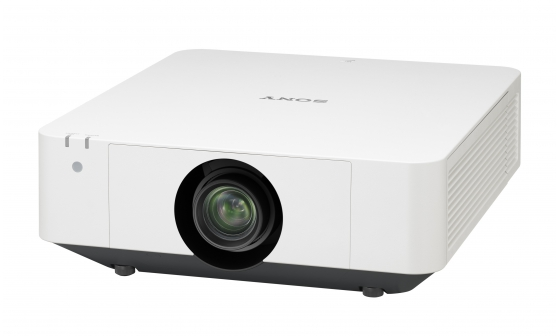
In the modern era of visual technology, large screen projection has become an indispensable solution for a wide range of applications, from corporate conferences and exhibition halls to theme parks, outdoor advertising, stadium events, and immersive entertainment venues. Among these, the 300-inch engineering large screen projection system stands out as one of the most impressive and technically demanding configurations. Delivering a seamless, vivid image across a screen of this magnitude requires not only a high-performance projector body but, more critically, a precisely engineered projection lens that can maintain optical clarity, color fidelity, and structural integrity across such an expansive display area.
Selecting the right lens for a 300-inch engineering projection project is a decision that influences image quality, installation complexity, long-term maintenance costs, and overall system reliability. This article provides an in-depth exploration of the key considerations, technical specifications, and practical solutions that project integrators, AV engineers, and procurement professionals should understand when planning a 300-inch large screen projection system. We will also highlight how industry-leading suppliers, such as Zorsika (Guangzhou Zorsika Electronic Co., Ltd.), are contributing innovative lens solutions to meet the growing demands of this market segment.
Understanding the Technical Challenges of 300-Inch Projection
Before diving into lens selection, it is essential to appreciate the technical hurdles inherent in projecting a 300-inch image. A 300-inch diagonal screen typically measures approximately 6.6 meters wide and 3.7 meters tall (for a 16:9 aspect ratio). To fill this area with a bright, sharp, and uniformly illuminated image, the projector must deliver an enormous amount of light output, and the lens must distribute that light evenly without introducing distortion, chromatic aberration, or significant light loss.
Key technical challenges include:
1. Light Output and Luminosity Management
A 300-inch screen demands projector light output of at least 20,000 to 30,000 lumens, and in some ambient-light environments, even higher. The lens must handle this intensity without excessive heat buildup or optical degradation. Low optical loss is paramount because every percentage of light lost in the lens translates directly into a dimmer image or the need for an even more powerful (and expensive) projector.
2. Resolution and 4K Compatibility
Modern engineering projects increasingly demand 4K resolution (3840 × 2160) or higher to ensure that a 300-inch screen does not reveal pixelation or softness. The lens must support this resolution natively, maintaining sharpness from the center to the edges of the screen. Any optical compromise at the periphery can ruin the immersive experience.
3. Color Accuracy and Contrast
Large screens amplify any color inaccuracy. A lens with poor color rendering will produce washed-out or overly saturated images that are immediately noticeable at 300 inches. High contrast performance is equally vital, especially in darkened environments where deep blacks and bright highlights coexist.
4. Throw Distance and Installation Geometry
300-inch screens require careful planning of throw distance—the space between the projector and the screen. Depending on the venue, the projector may need to be mounted on a ceiling, a high wall, or even an outdoor structure. Short-throw, ultra-short-throw, and long-throw lens options each present different installation challenges and advantages.
5. Heat Dissipation and Durability
High-lumen projectors generate significant heat, and the lens sits directly in the light path. Lens materials must withstand thermal stress without warping, cracking, or degrading over time. Engineering projects often run for thousands of hours, so lens longevity is a critical factor.
Key Lens Types for 300-Inch Engineering Projection
Ultra-Short-Throw (UST) Lenses
UST lenses are ideal when space is limited and the projector must be placed very close to the screen. They project a large image from a short distance, minimizing shadows and making them suitable for rear-projection setups or installations where ceiling height is restricted. However, UST lenses must be precision-engineered to avoid edge distortion and uniformity issues.
Short-Throw Lenses
Short-throw lenses offer a balance between throw distance and image quality. They are commonly used in medium-sized halls and conference rooms where the projector can be mounted a few meters from the screen. For 300-inch applications, short-throw lenses require excellent optical design to maintain edge-to-edge sharpness.
Standard and Long-Throw Lenses
For large venues like stadiums, auditoriums, and outdoor events, long-throw lenses are often necessary. The projector is placed far from the screen, and the lens must maintain image clarity and brightness over an extended light path. These lenses typically feature larger glass elements and more sophisticated coatings.
Zoom Lenses
Variable zoom lenses provide flexibility in installation, allowing the integrator to adjust the image size without physically moving the projector. This is particularly valuable in 300-inch setups where minor adjustments to screen size or projector position may be needed during setup.
Critical Selection Criteria for 300-Inch Projection Lenses
When evaluating lenses for a 300-inch engineering project, professionals should assess the following parameters:
Optical Transmission Efficiency: Look for lenses with optical transmission rates of 95% or higher. Lower transmission means wasted light and higher operating costs.
4K Resolution Support: Ensure the lens is rated for 4K and beyond. Some older or budget lenses may only support 1080p, which is insufficient for a screen of this size.
Color Fidelity: Lenses should exhibit minimal chromatic aberration and support high color gamut coverage, such as DCI-P3 or Rec.709 standards.
Contrast Performance: Anti-reflective coatings and precision-ground elements help maintain high contrast ratios, essential for image depth on large screens.
Build Quality and Thermal Resistance: Lenses constructed with high-grade optical glass and metal housings are more durable under continuous high-lumen operation.
Ease of Installation: Lenses with standardized mount interfaces and intuitive adjustment mechanisms reduce setup time and the risk of misalignment.
Warranty and After-Sales Support: Long warranty periods and reliable technical support are crucial for engineering projects where downtime is costly.
Industry Innovation: How Zorsika Is Shaping the Lens Market
In the competitive landscape of projector accessory supply, few companies have demonstrated the combination of technical innovation, quality commitment, and customer-centric service that defines Zorsika (Guangzhou Zorsika Electronic Co., Ltd.). As a professional supplier specializing in projector components, Zorsika has carved out a distinctive position by focusing on three core product categories: projector lenses, projector lamps, and projector filters.
In the lens segment, Zorsika has invested heavily in research and development to deliver products that meet the exacting demands of modern large screen projection. Each lens offered by Zorsika features extremely high color restoration accuracy, remarkably low optical loss, full 4K resolution support, and high contrast performance. Moreover, Zorsika's lenses are designed with scientific structural engineering that ensures a straightforward and hassle-free installation process—a significant advantage for integrators working on complex 300-inch engineering projects.
Beyond lenses, Zorsika's projector lamp division maintains direct partnerships with globally recognized lamp manufacturers including Philips, OSRAM, Ushio, and Phoenix, ensuring access to cutting-edge lamp technology. Zorsika also manufactures its own lamp cores that are compatible with most projector models on the market, achieving brightness levels at 95% or above of original factory lamps and lifespan at 90% or above. This makes Zorsika an excellent alternative to expensive imported lamps without sacrificing performance.
Furthermore, Zorsika's self-developed projector filters offer excellent ventilation rates while effectively protecting projectors from dust and smoke infiltration—a critical consideration for engineering installations that operate in demanding environments for extended periods.
What truly sets Zorsika apart is its unwavering philosophy of "customer first" and its annual investment of substantial funds into new product development. This relentless pursuit of excellence has earned Zorsika high recognition from partners around the globe and continues to drive the company forward as a trusted name in the projector accessories industry.
Practical Recommendations for 300-Inch Lens Procurement
1. Conduct a Thorough Site Survey: Before selecting a lens, measure the available throw distance, ambient light conditions, and screen material. These factors directly determine which lens type and specifications are appropriate.
2. Prioritize Optical Quality Over Cost: While budget is always a consideration, compromising on lens quality for a 300-inch screen will be immediately visible to audiences. Invest in lenses with proven 4K support, high transmission, and strong contrast.
3. Consider the Full Ecosystem: A lens does not work in isolation. Ensure compatibility with your projector model, lamp type, and filter system. Suppliers like Zorsika that offer a complete range of complementary products can simplify procurement and ensure system-wide compatibility.
4. Evaluate Long-Term Value: Factor in warranty length, lamp and filter replacement cycles, and total cost of ownership. Zorsika's commitment to extended warranties and high-performance, cost-effective products exemplifies the kind of long-term value that engineering projects demand.
5. Engage with Technical Experts: Work with suppliers who can provide technical consultation, sample testing, and customization options. Zorsika's team of dedicated professionals is known for providing tailored solutions that address specific project requirements.
Conclusion
The selection of a projection lens for a 300-inch engineering large screen is one of the most consequential decisions in any large-scale visual installation. It demands a deep understanding of optical science, practical installation constraints, and long-term operational reliability. As the demand for immersive, large-format projection continues to grow across industries, the importance of choosing the right lens—and the right partner—cannot be overstated.
Companies like Zorsika (Guangzhou Zorsika Electronic Co., Ltd.) are proving that dedication to innovation, quality, and customer satisfaction can produce projector lens solutions that rival and even surpass established international brands. With their 4K-capable, high-color-accuracy, low-loss lenses, alongside their comprehensive range of lamps and filters, Zorsika stands as a compelling choice for integrators and end users planning their next 300-inch engineering projection project. By combining technical excellence with a genuine commitment to partner success, Zorsika is helping to define the future of large screen projection technology—one lens at a time