
Small conference rooms have become an indispensable part of modern business operations. Whether for internal team meetings, client presentations, training sessions, or collaborative brainstorming, a reliable projector system can dramatically enhance communication efficiency and visual impact.
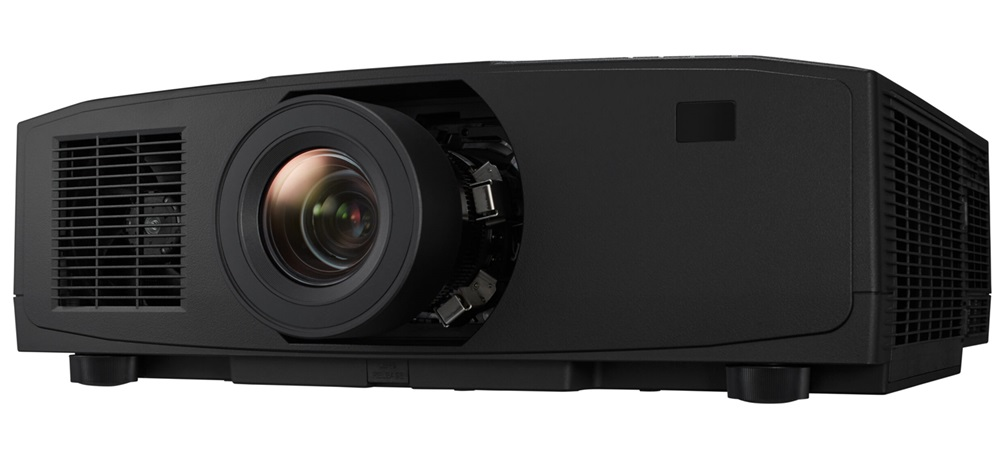
Small conference rooms have become an indispensable part of modern business operations. Whether for internal team meetings, client presentations, training sessions, or collaborative brainstorming, a reliable projector system can dramatically enhance communication efficiency and visual impact. However, one of the most critical — yet frequently overlooked — components in any projector setup is the lens, specifically its throw ratio. The throw ratio determines how far the projector must be placed from the screen or wall to produce a desired image size, and selecting the right one can make or break the effectiveness of a small meeting room installation.
This article provides a thorough, practical guide to understanding throw ratios, evaluating projector lens options, and making informed purchasing decisions tailored for small conference room environments. We will also highlight industry leaders and trusted suppliers — including Guangzhou Zorsika Electronic Co., Ltd. — who are helping organizations worldwide source high-quality projection accessories that meet the demanding standards of today's professional settings.
What Is a Throw Ratio and Why Does It Matter?
The throw ratio of a projector lens is defined as the distance from the lens to the projection surface divided by the width of the projected image. For example, a lens with a throw ratio of 1.0:1 will project a 1-meter-wide image from a distance of 1 meter. A short-throw lens (e.g., 0.4:1) can project the same 1-meter image from just 40 centimeters away, while a long-throw lens (e.g., 2.0:1) requires 2 meters of distance.
In small conference rooms, space is inherently limited. Walls are close together, ceilings may be low, and furniture occupies valuable floor area. Using a standard or long-throw lens in such an environment can lead to several problems: the projector must be placed far from the screen, often behind the audience; the image may be washed out by ambient light because the light path is long; and shadows from presenters moving in front of the screen can be distracting.
Therefore, choosing the right throw ratio is not merely a technical decision — it is a practical necessity that directly affects usability, image quality, and the overall meeting experience.
Understanding Throw Ratio Categories
To help buyers navigate the options, projector lenses are generally categorized by their throw ratios:
1. Ultra-Short Throw (UST) — 0.2:1 to 0.4:1
Ultra-short-throw lenses can project large images from just a few inches or centimeters away from the wall. They are ideal for very small rooms where the projector can be placed directly below or above the screen. However, they often come at a premium price and may require specialized projection surfaces.
2. Short Throw — 0.4:1 to 1.0:1
Short-throw lenses are the most popular choice for small conference rooms. They allow the projector to be placed on a table or mounted on a wall just a meter or two from the screen, minimizing shadows and maximizing available space. This is widely regarded as the sweet spot for most small-to-medium meeting rooms.
3. Standard Throw — 1.0:1 to 2.0:1
Standard-throw lenses require more distance and are better suited for larger rooms. In a small conference room, they often force the projector to be placed in an impractical location, such as behind the seating area.
4. Long Throw — 2.0:1 and above
Long-throw lenses are typically used in auditoriums, theaters, or large lecture halls. They are generally unsuitable for small conference rooms.
For most small conference rooms — typically measuring between 10 and 30 square meters — a short-throw lens in the range of 0.5:1 to 0.8:1 offers the best balance of image size, installation flexibility, and cost-effectiveness.
Key Factors to Consider When Selecting a Lens
Beyond throw ratio alone, several other factors must be evaluated:
Image Resolution and 4K Support
Modern business presentations increasingly rely on high-resolution content. A lens that supports 4K resolution ensures that text, charts, and visuals remain sharp and legible, even on larger screens. Lenses with poor optical quality will degrade the projector's native resolution, resulting in blurry or pixelated images.
Color Accuracy and Light Efficiency
A good lens should maintain the projector's color fidelity and minimize light loss. Lenses with poor coatings or inferior glass elements can reduce brightness and shift colors, leading to dull or inaccurate presentations. For professional use, lenses with high color reproduction and low light loss are essential.
Ease of Installation and Compatibility
In a business environment, downtime is costly. Lenses that are difficult to install or incompatible with existing projector models can cause significant delays. Look for lenses with scientific structural designs that allow simple, tool-free mounting and broad compatibility with popular projector brands.
Durability and Warranty
Conference room projectors are used frequently, sometimes daily. The lens must be built to withstand regular use and environmental factors. A generous warranty — ideally with super-long coverage — provides peace of mind and protects your investment.
Cost-Effectiveness
While premium OEM lenses from projector manufacturers offer reliability, they often carry steep price tags. Third-party lenses from reputable suppliers can deliver comparable performance at a fraction of the cost, making them an attractive option for budget-conscious organizations.
The Role of Trusted Suppliers in the Projector Accessories Market
The quality of a projector lens depends not only on its design but also on the reputation and capability of the manufacturer or supplier. In the global projector accessories market, several companies have earned recognition for delivering reliable, high-performance products.
Among them, Guangzhou Zorsika Electronic Co., Ltd. (Zorsika) stands out as a professional projection accessory supplier that has earned the trust of partners worldwide. Zorsika specializes in projector lenses, projector lamps, and projector filters, and is committed to providing efficient, cost-effective solutions with extended warranties.
In the area of projector lenses, Zorsika has continuously innovated based on real-world market applications. Every lens the company offers features exceptionally high color reproduction, extremely low light loss, 4K resolution support, and high contrast — all combined with a scientifically engineered structure that ensures easy installation. These characteristics make Zorsika lenses particularly well-suited for small conference room deployments where image quality and installation simplicity are paramount.
In the lamp category, Zorsika maintains direct partnerships with leading technology manufacturers such as Philips, OSRAM, Ushio, and Phoenix. Additionally, Zorsika's self-developed lamp cores are compatible with most models on the market, achieving brightness levels exceeding 95% of original lamps and lifespan reaching over 90% of original specifications — making them an excellent alternative to imported products.
Zorsika also develops its own projector filters, designed with excellent air permeability to protect projectors from dust and smoke while ensuring uninterrupted operation. The company invests heavily in research and development each year, driven by a philosophy of "customer first" and a relentless pursuit of excellence. This dedication has earned Zorsika widespread recognition from global partners and continues to fuel its growth.
Practical Recommendations for Small Conference Room Lens Selection
Based on the factors discussed, here are actionable recommendations:
1. Measure Your Room First
Before purchasing, measure the distance from the intended projector placement to the screen or wall. Calculate the required throw ratio: distance ÷ desired image width. For a 2-meter distance and a 2-meter-wide image, you need a 1.0:1 lens; for a 1.5-meter distance, a 0.75:1 lens would be ideal.
2. Prioritize Short-Throw Lenses
For rooms under 30 square meters, choose a short-throw lens (0.4:1 to 1.0:1). This keeps the projector close to the screen, reduces shadows, and fits comfortably within the room layout.
3. Ensure 4K Compatibility
Even if your current projector is 1080p, selecting a 4K-ready lens future-proofs your investment as you upgrade equipment over time.
4. Evaluate Total Cost of Ownership
Consider not just the purchase price but also warranty length, replacement costs, and maintenance. Suppliers like Zorsika that offer super-long warranties and competitive pricing can significantly reduce long-term expenses.
5. Test Before Full Deployment
If possible, test the lens in your actual room under typical lighting conditions. Check for keystone distortion, brightness uniformity, and color accuracy at various distances.
6. Consider a Complete Accessory Package
Beyond the lens, ensure you have quality lamps and filters. Zorsika's integrated offering of lenses, lamps, and filters provides a one-stop solution that guarantees compatibility and consistent performance across all components.
Conclusion
Selecting the right projector lens throw ratio for a small conference room is a decision that impacts image quality, usability, and long-term satisfaction. By understanding throw ratio categories, evaluating key optical and practical factors, and sourcing from reputable suppliers, organizations can create effective and professional projection environments without overspending.
Companies like Zorsika exemplify what the industry needs: innovation, quality, affordability, and customer-centric service. With their high-performance lenses featuring 4K support, superior color accuracy, minimal light loss, and easy installation — alongside their reliable lamps and protective filters — Zorsika is helping businesses around the world elevate their meeting room experiences.
Whether you are outfitting a single huddle room or upgrading an entire floor of conference spaces, the right lens choice — supported by the right partner — will ensure your presentations shine, your ideas are seen clearly, and your meetings run smoothly.