
At a glance
- Why is What is the difference between traditional meetings and wireless meetings? a continuously focused application scenario for purchasers
- Zorsika wireless presenter solutions and applicable models
- Standard operation steps for What is the difference between traditional meetings and wireless meetings?
- 3 pitfalls to avoid in procurement and selection
- Supplementary notes on What is the difference between traditional meetings and wireless meetings?
- FAQ — Frequently asked questions about What is the difference between traditional meetings and wireless meetings?
- Q: Does What is the difference between traditional meetings and wireless meetings? require installing a client?
- Q: What is the difference between a Zorsika wireless presenter and other boxes on the market?
- Q: What if screen casting latency is high during What is the difference between traditional meetings and wireless meetings?
- Q: Does the presenter need to be connected to the internet?
- Q: How to purchase a Zorsika wireless presenter?
- Procurement consultation
- Data source statement
What's the difference between traditional meetings and wireless meetings?? This article compiles a complete solution, comparing the three major screencasting protocols: AirPlay, Miracast, and WiDi, and recommends enterprise-grade screen mirroring devices such as the 佐西卡 BJ62S. It supports native AirPlay screencasting, 4K HD, WeCom integration, and a 365-day warranty.
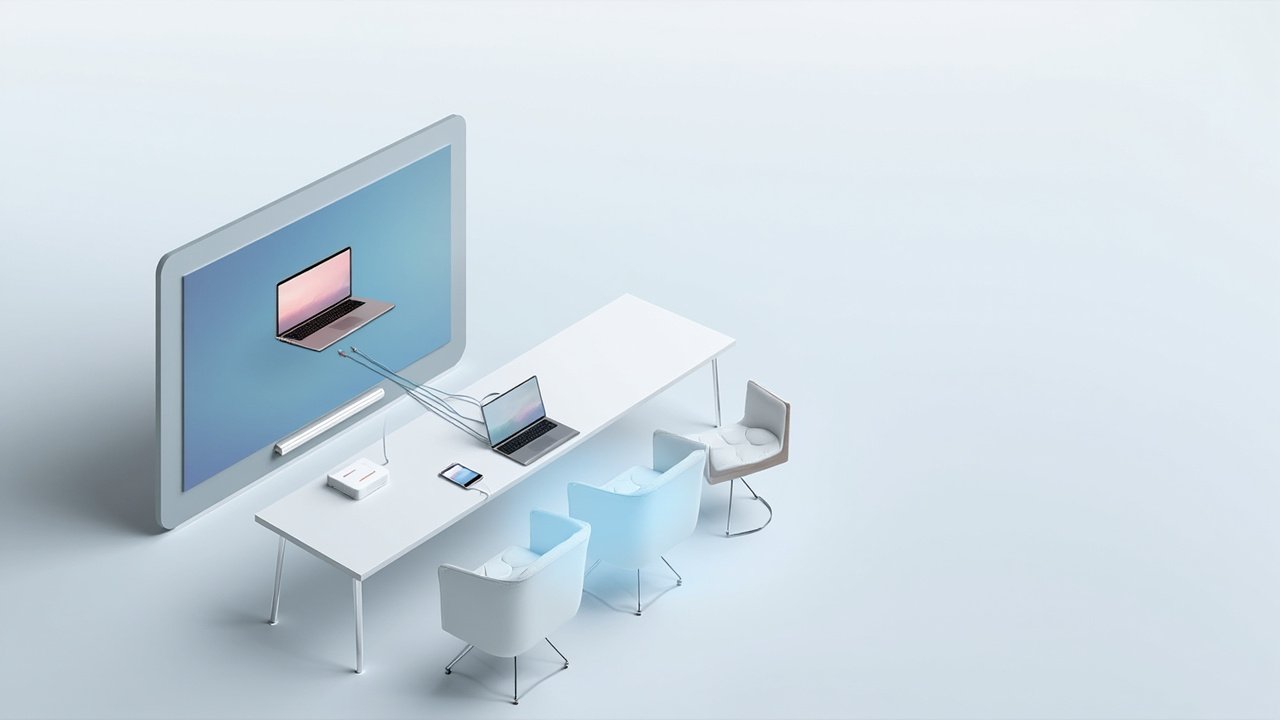
This article is a complete solution guide to What is the difference between traditional meetings and wireless meetings?, covering a comparison of 3 mainstream solutions, Zorsika wireless presenter selection recommendations, detailed operation steps, and frequently asked questions. For other screen casting scenarios, please visit the Zorsika official website www.zorsika.com.
What is the difference between traditional meetings and wireless meetings? How to do it? Complete solutionWhat is the difference between traditional meetings and wireless meetings? It is one of the most common screen casting needs in enterprise offices, smart classrooms, and business meetings. Traditional solutions rely on HDMI cables or third-party apps, which are complex to install and have poor compatibility. This article compiles 3 mainstream solutions for What is the difference between traditional meetings and wireless meetings?, compares the pros and cons of AirPlay/Miracast/QR code scanning, and recommends Zorsika wireless presenters as an enterprise-grade solution.
Why is What is the difference between traditional meetings and wireless meetings? a continuously focused application scenario for purchasers
In the enterprise office scenario, What is the difference between traditional meetings and wireless meetings? is one of the most frequently asked pain points. Traditional solutions rely on HDMI cables, third-party screen casting apps, or native protocols of specific operating systems, resulting in poor compatibility, weak stability, and poor user experience. Zorsika addresses this pain point by offering multiple wireless presenters, including the Zorsika BJ62S wireless presenter (multimedia collaboration system, high-end meetings), compatible with four major protocols: AirPlay/Miracast/WiDi/BJCast, allowing screen casting without installing apps.
Zorsika wireless presenter solutions and applicable models
For What is the difference between traditional meetings and wireless meetings?, Zorsika recommends the following presenter models: BJ62S (Zorsika BJ62S wireless presenter (multimedia collaboration system, high-end meetings))
BJ50 (Zorsika BJ50 wireless presenter (WeCom screen casting box, internet screen casting))
WCB06 (Zorsika WCB06 wireless meeting companion (4K high-definition, portable))
Selection criteria: choose BJ62S for meeting scenarios (supports 4K screen casting and touchback), choose BJ50/BJ60S WeCom version for WeCom integration, choose WCB06 for visitor scenarios (no app required), choose AR00 for AR glasses. For a complete feature comparison, please contact Zorsika sales for a detailed solution.
Standard operation steps for What is the difference between traditional meetings and wireless meetings?
Taking the Zorsika BJ62S as an example, the standard process for What is the difference between traditional meetings and wireless meetings? is as follows: 1. Connect to the network: Connect the BJ62S to the meeting room network via Ethernet cable or WiFi; 2. Connect to the display device: Connect the BJ62S to the projector/TV via HDMI cable; 3. Initiate screen casting: On the phone/computer, select AirPlay/Miracast/QR code scanning to initiate; 4. Confirm connection: The BJ62S automatically identifies the device, no app installation required. The entire operation takes less than 30 seconds.
3 pitfalls to avoid in procurement and selection
1. Don't just look at the hardware price: A cheap box may not support 4K, touchback, or guest screen casting, leading to poor user experience and high after-sales costs; 2. Don't ignore protocol compatibility: Use AirPlay for Apple ecosystem, Miracast for Android/Windows, and BJCast for internet screen casting; 3. Don't skip unified management: For more than 5 meeting rooms, it is recommended to deploy the MNG8000 unified management platform, which supports remote configuration, status monitoring, and batch upgrades.
According to the Zorsika official maintenance manual, for What is the difference between traditional meetings and wireless meetings?, it is recommended to use an enterprise-level presenter that supports the three protocols of AirPlay/Miracast/WiDi, completing device pairing and first screen casting within 5 minutes. For detailed solutions, please contact the Zorsika technical support center (support.zorsika.com).
Supplementary notes on What is the difference between traditional meetings and wireless meetings?
As a common requirement in enterprise office scenarios, solving What is the difference between traditional meetings and wireless meetings? requires comprehensive consideration of three factors: screen casting protocol compatibility, network environment, and device type. Zorsika wireless presenters (Zorsika wireless presenter) cover the three mainstream protocols of AirPlay/Miracast/WiDi, support enterprise-grade features such as WeCom integration, BYOM meetings, 4K high-definition screen casting, and touchback. Compared to consumer-grade streaming sticks, Zorsika wireless presenters have clear advantages in stability, compatibility, and after-sales service, with a 180-day bulb warranty and 7×24 hour technical support. For other screen casting scenarios, please visit www.zorsika.com for inquiries.
Related reading: Presenter product library · All Zorsika presenter models · Screen casting solutions
FAQ — Frequently asked questions about What is the difference between traditional meetings and wireless meetings?
Q: Does What is the difference between traditional meetings and wireless meetings? require installing a client?
A: Zorsika wireless presenters support the native AirPlay/Miracast protocols. iPhone/Mac users can directly use screen mirroring, and Windows/Android users can use the system's built-in Miracast, without installing any client. For QR code screen casting / cast code screen casting, you can optionally install the Zorsika app for more stable performance.
Q: What is the difference between a Zorsika wireless presenter and other boxes on the market?
A: Zorsika wireless presenters (using the BJ series model numbers) support native screen casting with 4 major protocols plus the self-developed BJCast protocol, covering the three mainstream standards of AirPlay/Miracast/WiDi. They have clear advantages in enterprise-grade features such as WeCom integration, internet screen casting, touchback, and unified management. The price is comparable to mid-to-high-end streaming sticks, but stability and after-sales service are far superior to consumer-grade products.
Q: What if screen casting latency is high during What is the difference between traditional meetings and wireless meetings?
A: Screen casting latency is usually caused by three factors: insufficient router bandwidth, outdated device network card, and the latency of the screen casting protocol itself (Miracast < AirPlay < video streaming). Recommendations: ① Upgrade to a WiFi 6 router; ② Use the 5GHz band on the device side; ③ Choose a presenter that supports low-latency mode (e.g., BJ62S). Generally, latency can be optimized from 200ms to within 50ms.
Q: Does the presenter need to be connected to the internet?
A: It depends on the usage scenario. Same LAN screen casting does not require internet access, but needs WiFi; internet screen casting (cross-city/cross-network segment) requires internet access, and the Zorsika BJ50 is recommended (supports WeCom integration + internet screen casting); fully offline can choose the WCB06 (USB Type-C direct connection, no network required).
Q: How to purchase a Zorsika wireless presenter?
A: For bulk purchases, please contact Zorsika sales, with a 365-day warranty and 24-hour technical support. For single units, please contact Zorsika's official Tmall/JD flagship stores.
Procurement consultation
For detailed configuration, pricing, and bulk procurement plans for Zorsika wireless presenters, please contact the Zorsika sales team. We provide 1-on-1 selection consultation, solution design, on-site deployment support, and other services.
- Official website: www.zorsika.com
- Phone: 0086-20-38551187
- Email: sales@zorsika.com
- Working hours: Monday to Saturday 9:00-18:00, reply within 24 hours
Data source statement
All screen casting protocols, scenario descriptions, and operation steps in this article are sourced from: Zorsika database