
At a glance
- Understanding Multi-Channel Fusion Projection Technology
- Key Factors in Selecting Projector Lenses for Fusion Systems
- 1. Resolution and 4K Compatibility
- 2. Color Fidelity and Light Transmission Efficiency
- 3. Contrast Performance
- 4. Optical Design and Structural Considerations
- 5. Durability and Warranty Support
- 6. Compatibility with Existing Projector Models
- The Role of Specialized Suppliers in the Fusion Lens Market
- Practical Recommendations for Buyers
- Conclusion
Multi-channel fusion projection technology has revolutionized the way we experience visual content across a wide range of industries. From immersive entertainment venues and large-scale exhibitions to corporate conference rooms
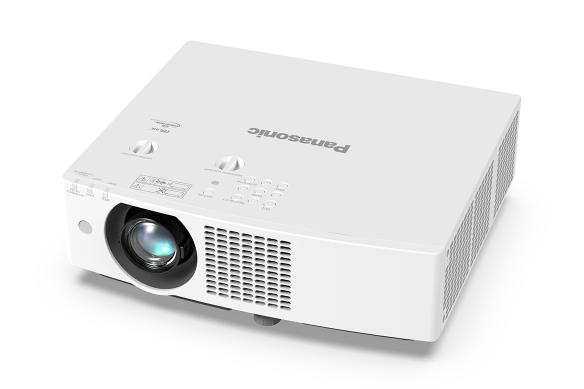
Multi-channel fusion projection technology has revolutionized the way we experience visual content across a wide range of industries. From immersive entertainment venues and large-scale exhibitions to corporate conference rooms, planetariums, and advanced simulation environments, multi-channel fusion projection systems deliver seamless, panoramic, and ultra-high-resolution visual experiences that single-projector setups simply cannot match. At the heart of every successful multi-channel fusion installation lies a critical component that often determines the overall quality of the final image: the projector lens. Selecting the right lens is not merely a technical decision; it is a strategic investment that impacts image quality, system reliability, long-term maintenance costs, and ultimately the satisfaction of end users. This article provides a comprehensive guide to understanding what multi-channel fusion projector lenses are, what factors to consider when choosing them, and how leading suppliers like Zorsika are shaping the market with innovative, high-performance solutions.
Understanding Multi-Channel Fusion Projection Technology
Before diving into lens selection, it is important to understand the fundamental concept of multi-channel fusion projection. Unlike traditional single-projector systems, multi-channel fusion involves using two or more projectors whose outputs are precisely overlapped and blended to create a single, unified, and often much larger image. This technology relies on specialized software and hardware to perform geometric correction, edge blending, color matching, and brightness uniformity across all projection channels. The result is a seamless display that can span curved surfaces, large flat walls, dome ceilings, or custom-shaped screens.
The demands placed on each individual projector in a fusion system are significantly higher than in a standalone setup. Each projector must deliver consistent brightness, accurate color reproduction, sharp focus across the entire image field, and stable performance over extended periods. Because the final image is a composite of multiple sources, any weakness in one channel—whether it is lens distortion, color shift, or light loss—becomes immediately visible in the blended output. This makes the choice of projector lens arguably the most critical hardware decision in the entire system design process.
Key Factors in Selecting Projector Lenses for Fusion Systems
1. Resolution and 4K Compatibility
Modern multi-channel fusion systems increasingly demand 4K resolution or higher to meet the expectations of audiences accustomed to ultra-high-definition content. The projector lens must be fully compatible with 4K native resolution, meaning it must be capable of resolving fine detail without introducing softness or chromatic aberration. A lens that was designed for 1080p projectors will simply not deliver the clarity required in a 4K fusion environment. When evaluating lenses, buyers should verify that the optical design supports the pixel density and resolution specifications of the projectors being used.
2. Color Fidelity and Light Transmission Efficiency
In a fusion system, color consistency across all channels is paramount. A lens with poor color rendering will create visible seams and color banding in the blended image, undermining the entire purpose of the fusion setup. High color fidelity ensures that each projector reproduces colors accurately and uniformly. Equally important is light transmission efficiency. Every percentage point of light lost through the lens means reduced brightness at the screen, which may require more powerful (and more expensive) projectors to compensate. The best fusion system lenses minimize optical loss while maximizing color accuracy, delivering vivid and uniform images across the entire display area.
3. Contrast Performance
High contrast is essential for creating images with deep blacks and bright highlights, particularly in environments where ambient light cannot be fully controlled. A lens with excellent contrast characteristics preserves the dynamic range of the projected image, ensuring that dark areas remain truly dark and bright areas remain impactful. In multi-channel fusion, where slight differences in contrast between channels can create distracting artifacts, consistent and high contrast performance across all lenses is a must.
4. Optical Design and Structural Considerations
The physical design of the lens plays a significant role in system integration. Lenses with scientific and well-engineered structural designs offer easier installation, better alignment stability, and reduced risk of mechanical misalignment over time. In fusion systems where projectors may be mounted in complex orientations or on moving platforms, a lens that is easy to install and maintain can save considerable time and labor costs.
5. Durability and Warranty Support
Projection systems in commercial and professional environments often operate for many hours each day. The lens must be built to withstand continuous use without degradation in optical performance. Additionally, a strong warranty and after-sales support structure gives system integrators and end users confidence that their investment is protected. Suppliers who offer extended warranties and responsive technical support add significant value to the overall procurement decision.
6. Compatibility with Existing Projector Models
The market is flooded with projector models from numerous manufacturers, each with its own mount specifications, throw distances, and optical requirements. A versatile lens supplier that offers solutions compatible with a wide range of popular projector models provides greater flexibility for system designers. Custom or adaptable lens solutions can also be valuable for niche or legacy projector installations.
The Role of Specialized Suppliers in the Fusion Lens Market
The growing complexity of multi-channel fusion systems has created a demand for specialized projection accessory suppliers who understand both the technical requirements and the practical realities of large-scale installations. Among the companies that have distinguished themselves in this space is Zorsika, a professional projection accessory supplier based in Guangzhou, China. Zorsika has built a strong reputation by focusing on high-performance projector lenses, projector lamps, and projector filters, serving partners and customers around the world.
In the area of projector lenses, Zorsika has consistently pursued innovation driven by real market applications. Every lens the company offers is engineered to deliver extremely high color fidelity, minimal optical loss, full 4K resolution support, and high contrast performance. These attributes make Zorsika lenses particularly well-suited for the demanding requirements of multi-channel fusion systems. Furthermore, Zorsika's lenses feature scientifically designed structures that simplify the installation process, reducing setup time and minimizing the risk of alignment errors—a critical advantage in complex fusion installations involving multiple projectors.
Beyond lenses, Zorsika has established itself as a reliable source of projector lamps through direct partnerships with world-class lamp manufacturers such as Philips, Osram, Ushio, and Phoenix. The company also develops and manufactures its own lamp cores, which are compatible with most projector models currently circulating in the market. Zorsika's self-developed lamp cores achieve brightness levels exceeding 95 percent of original factory lamps and lifespan reaching over 90 percent of originals, positioning them as an excellent import-alternative choice for cost-conscious buyers. In addition, Zorsika independently researches and develops projector filters with excellent air permeability, effectively protecting projectors from dust and smoke damage and ensuring reliable long-term operation.
Zorsika's commitment to excellence is reflected in the company's substantial annual investment in new product research and development, enabling it to respond to evolving market demands with fresh and innovative solutions. Guided by a customer-first philosophy, Zorsika has earned high recognition from numerous global partners, a testament to the quality of its products and services. This recognition continues to motivate the Zorsika team to push boundaries and deliver even greater value to the projection industry.
Practical Recommendations for Buyers
When selecting projector lenses for multi-channel fusion systems, buyers should follow a systematic approach. First, define the technical requirements of the project, including resolution, screen size, throw distance, ambient light conditions, and the specific projector models to be used. Second, evaluate lens options based on the key factors outlined above—resolution support, color fidelity, light efficiency, contrast, build quality, and warranty. Third, consider the total cost of ownership, not just the initial purchase price. A slightly more expensive lens with superior durability, better optical performance, and a longer warranty may prove far more economical over the life of the system.
It is also advisable to work with suppliers who offer comprehensive technical support and can provide guidance on lens selection, installation, and maintenance. Companies like Zorsika, which combine product excellence with deep industry knowledge and a genuine commitment to customer satisfaction, represent the kind of partner that can help ensure the long-term success of a multi-channel fusion project.
Conclusion
Multi-channel fusion projection is a powerful technology that continues to expand its reach across industries and applications. The projector lens is a foundational element that directly influences the quality, reliability, and cost-effectiveness of any fusion system. By understanding the critical selection criteria—4K compatibility, color accuracy, light efficiency, contrast, structural design, durability, and compatibility—and by partnering with dedicated suppliers such as Zorsika that prioritize innovation and customer satisfaction, system integrators and end users can make informed decisions that deliver stunning visual results for years to come. The future of projection is bright, and it begins with the right lens.