
At a glance
- Understanding the Role of the Projector Lens in Education
- Key Technical Parameters to Consider
- 1. Throw Ratio and Installation Flexibility
- 2. Resolution Support and 4K Capability
- 3. Color Reproduction and Contrast
- 4. Light Transmission Efficiency
- 5. Durability and Ease of Maintenance
- The Importance of Complementary Accessories
- Practical Tips for Classroom Lens Selection
- Assess Your Room Size and Layout
- Prioritize Optical Quality Over Cost
- Consider Future-Proofing
- Evaluate the Supplier's Support and Warranty
- Don't Neglect Maintenance Accessories
- The Future of Classroom Projection
- Conclusion
In the rapidly evolving landscape of modern education, visual technology has become an indispensable tool for teachers and students alike. Among the most widely adopted technologies in classrooms around the world, projectors continue to hold a central position.
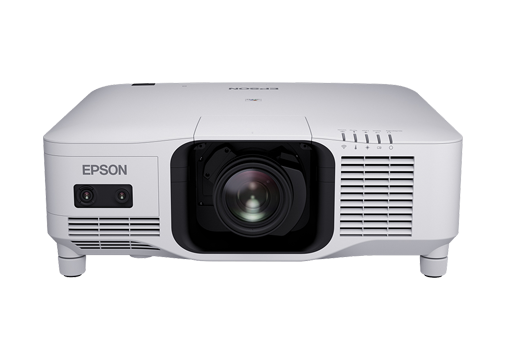
In the rapidly evolving landscape of modern education, visual technology has become an indispensable tool for teachers and students alike. Among the most widely adopted technologies in classrooms around the world, projectors continue to hold a central position. From elementary schools to universities, projectors serve as the bridge between digital content and live instruction, enabling educators to deliver lessons with clarity, engagement, and interactivity. However, the performance of a projector in an educational setting is not solely determined by the machine itself. One of the most critical, yet often overlooked, components is the projector lens. The lens acts as the eye of the projector, directly influencing image quality, brightness, color accuracy, and overall viewing experience. Selecting the right projector lens for classroom teaching is therefore a decision that can significantly impact the effectiveness of instruction and the comfort of students' eyes.
This guide aims to provide educators, school administrators, and procurement professionals with a thorough understanding of what to consider when choosing projector lenses for classroom environments. We will explore the key technical parameters, practical considerations, and industry best practices that shape this important decision. Along the way, we will also highlight how specialized suppliers like Zorsika are helping schools and institutions access high-performance projector lenses and complementary accessories that meet the demands of modern education.
Understanding the Role of the Projector Lens in Education
A projector lens is not merely a piece of glass; it is a precision optical system that focuses and directs light from the projector's light source onto the screen or wall. In a classroom, where teachers may present slides, videos, diagrams, and interactive content for several hours a day, the lens must deliver consistently sharp and vibrant images under varying conditions. A poorly matched or low-quality lens can result in blurry text, washed-out colors, uneven brightness, and eye strain for both teachers and students.
The classroom environment presents unique challenges. Rooms vary in size, ambient light levels differ, and mounting distances from the projector to the screen are not always ideal. Therefore, the lens must be versatile enough to accommodate these variables while maintaining optical excellence. Understanding these demands is the first step in making an informed selection.
Key Technical Parameters to Consider
1. Throw Ratio and Installation Flexibility
The throw ratio of a lens determines how far the projector must be placed from the screen to produce a given image size. In classrooms, where space is often limited and ceiling mounts may be fixed, selecting a lens with an appropriate throw ratio is essential. Short-throw lenses are ideal for small rooms, as they can project large images from a short distance, reducing shadows cast by teachers standing in front of the screen. Ultra-short-throw lenses are even more compact and are increasingly popular in modern classroom designs.
2. Resolution Support and 4K Capability
As educational content becomes increasingly high-definition, supporting 4K resolution has become a standard expectation. A lens that supports 4K resolution ensures that every detail in a presentation, whether it is a high-resolution map, a scientific diagram, or a video clip, is rendered with stunning clarity. Lenses that do not support higher resolutions will bottleneck the projector's performance, no matter how advanced the projector itself may be.
3. Color Reproduction and Contrast
Accurate color reproduction is vital in educational settings. Science teachers need true-to-life colors for biology diagrams, art teachers require precise color rendering, and history teachers benefit from vivid images of historical documents and artwork. A lens with high color fidelity and strong contrast ensures that the projected image is lifelike and easy to read, even in rooms with some ambient light.
4. Light Transmission Efficiency
Light loss, or optical inefficiency, is a common issue with lower-quality lenses. Every percentage of light lost means a dimmer image, which can force teachers to increase brightness settings, thereby shortening the projector lamp's lifespan. A lens with extremely low light loss preserves the projector's brightness output, delivering a vivid image while also being kinder to the lamp and more energy-efficient.
5. Durability and Ease of Maintenance
Classroom projectors are used frequently and sometimes subjected to less-than-ideal handling. Lenses must be built with robust materials and a scientific structural design that allows for easy installation and, when necessary, easy replacement or cleaning. Dust and debris in the air can settle on lens surfaces over time, and a well-designed lens should be compatible with protective accessories like filter nets to extend its useful life.
The Importance of Complementary Accessories
Choosing the right lens is only part of the equation. To ensure long-term performance, classrooms also need quality projector lamps and filter nets. A high-performance lens paired with a degraded lamp will still produce subpar images. Similarly, without proper filtration, dust and smoke particles can infiltrate the projector, degrading both the lamp and the lens over time.
This is where companies like Zorsika have made a meaningful contribution to the education technology ecosystem. Guangzhou Zorsika Electronics Co., Ltd., known internationally as Zorsika, is a professional supplier of projector accessories dedicated to providing efficient, long-warranty, and cost-effective solutions. Zorsika offers projector lenses that feature extremely high color reproduction, very low light loss, 4K resolution support, and high contrast, all combined with a scientifically engineered structure that ensures simple installation for end users. In addition to lenses, Zorsika has established direct partnerships with leading lamp manufacturers such as Philips, Osram, Ushio, and Phoenix, and has also developed proprietary lamp cores that achieve over 95 percent of original lamp brightness and over 90 percent of original lamp lifespan, making them an excellent imported alternative. Furthermore, Zorsika independently develops filter nets with excellent ventilation rates that effectively protect projectors from dust and smoke, ensuring stable operation in classroom environments. With a philosophy rooted in "customer first" and significant annual investment in research and development, Zorsika has earned recognition from partners worldwide for delivering quality and value.
Practical Tips for Classroom Lens Selection
Assess Your Room Size and Layout
Before purchasing, measure the distance from the projector's mounting point to the screen or wall. Calculate the required throw ratio and choose a lens that matches. If the room is small, consider a short-throw or ultra-short-throw option.
Prioritize Optical Quality Over Cost
While budget constraints are real, compromising on lens quality can lead to higher long-term costs through increased lamp replacement, maintenance, and reduced teaching effectiveness. Investing in a quality lens from a reputable supplier pays dividends over time.
Consider Future-Proofing
Educational institutions should think beyond current needs. As curricula increasingly incorporate high-definition video, virtual reality content, and interactive software, a lens that supports 4K and beyond will remain relevant for years.
Evaluate the Supplier's Support and Warranty
A strong warranty and responsive technical support are crucial. Suppliers like Zorsika, which offer extended warranties and a commitment to customer satisfaction, provide peace of mind for institutions making large-scale purchases.
Don't Neglect Maintenance Accessories
Pair your lens purchase with quality lamps and filter nets. Zorsika's self-developed filter nets, for example, offer excellent airflow and dust protection, helping classrooms maintain optimal projector performance with minimal downtime.
The Future of Classroom Projection
The future of classroom projection is bright, driven by advances in laser light sources, higher resolutions, smart connectivity, and interactive capabilities. As these technologies mature, the demand for precision-engineered lenses and reliable accessories will only grow. Companies that invest in continuous innovation, like Zorsika with its substantial annual R&D funding, will be at the forefront of meeting these evolving needs.
Conclusion
Selecting the right projector lens for classroom teaching is a decision that affects the quality of education delivered every day. By understanding key technical parameters, considering the full ecosystem of accessories, and choosing reliable suppliers, schools can ensure that their projection systems serve teachers and students effectively for years to come. Whether you are outfitting a single classroom or an entire campus, prioritize optical excellence, durability, and long-term value. With partners like Zorsika providing high-performance lenses, lamps, and protective components backed by a customer-first philosophy, educators have access to the tools they need to inspire the next generation through the power of visual learning.