
At a glance
- The Growing Demand for Projector Lenses in Night Tourism
- Key Technical Parameters to Consider
- 1. Resolution and 4K Compatibility
- 2. Color Reproduction Accuracy
- 3. Light Transmission and Low Light Loss
- 4. Contrast Ratio
- 5. Throw Distance and Lens Type
- Environmental Durability for Outdoor Applications
- The Role of Projector Lamps and Filters in Lens Performance
- Cost-Effectiveness and Long-Term Value
- Practical Selection Checklist
- Conclusion
The rapid development of cultural tourism night economy has transformed the way cities attract visitors after dark. From immersive light shows on ancient building facades to spectacular projections on natural landscapes, night tourism has become a powerful engine driving local economic growth. At the heart of these breathtaking visual experiences lies a critical component — the projector lens.
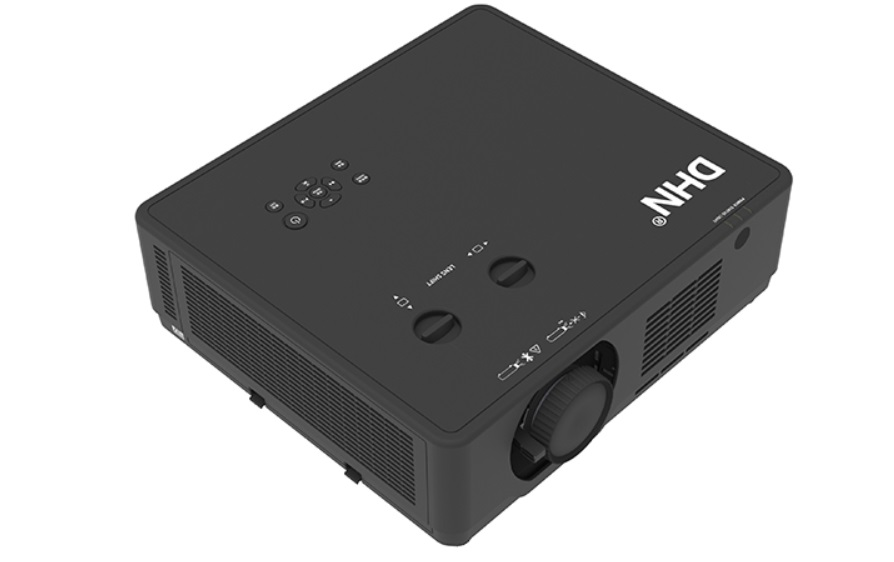
The rapid development of cultural tourism night economy has transformed the way cities attract visitors after dark. From immersive light shows on ancient building facades to spectacular projections on natural landscapes, night tourism has become a powerful engine driving local economic growth. At the heart of these breathtaking visual experiences lies a critical component — the projector lens. Choosing the right projector lens is not merely a technical decision; it is the foundation upon which the entire visual spectacle is built. Whether you are a tourism operator, a scenic area developer, or an event planner, understanding how to select the ideal projector lens for cultural tourism night tour applications can make the difference between a mediocre display and an unforgettable experience. This article provides comprehensive guidance on projector lens selection for night tourism projects, covering key technical parameters, environmental considerations, cost-efficiency, and trusted supply chain partners such as Zorsika.
The Growing Demand for Projector Lenses in Night Tourism
Cultural tourism night tours have surged in popularity across China and around the world. Cities like Xi'an, Guangzhou, Chengdu, and Hangzhou have become synonymous with dazzling nighttime projections that tell historical stories, celebrate local culture, and create Instagram-worthy moments. These projects typically involve large-scale outdoor projections on temples, pagodas, bridges, mountains, and even water surfaces. The scale and complexity of such installations demand projector lenses that can deliver exceptional performance under challenging conditions.
Unlike indoor conference rooms or home theaters, outdoor night tourism environments present unique challenges: varying temperatures, humidity, dust, long projection distances, and the need for ultra-high brightness and sharp image quality. A poorly chosen lens can result in blurry images, color distortion, uneven brightness, or premature equipment failure — all of which directly impact the visitor experience and the reputation of the tourism brand. Therefore, selecting the right lens is a strategic investment that pays dividends in audience satisfaction and long-term operational savings.
Key Technical Parameters to Consider
1. Resolution and 4K Compatibility
Modern audiences expect crisp, detailed visuals. For cultural tourism night tours, where projected content often includes intricate historical imagery, calligraphy, and fine artistic details, a lens that supports 4K resolution is essential. A 4K-compatible lens ensures that every pixel is rendered with precision, preserving the richness and depth of the projected content. When evaluating lenses, look for specifications that explicitly state 4K support and verify the actual optical performance rather than relying solely on marketing claims.
2. Color Reproduction Accuracy
Color is the soul of any visual projection. In cultural tourism, the colors used often carry deep symbolic meaning — the red of Chinese lanterns, the gold of imperial architecture, the blue of traditional porcelain. A lens with high color还原度 (color reproduction accuracy) ensures that these colors are rendered faithfully, without shifts or fading. Lenses with superior optical coatings and precision-ground elements typically achieve higher color fidelity, making them ideal for culturally sensitive content.
3. Light Transmission and Low Light Loss
Outdoor projections require maximum brightness to overcome ambient light. Every percentage of light lost through the lens translates into a dimmer image and potentially higher energy costs. Lenses with extremely low light loss (high light transmission rate) are critical for night tourism applications. A premium lens should transmit as much light as possible from the projector's lamp to the projection surface, ensuring vibrant and visible images even at extended distances.
4. Contrast Ratio
High contrast is vital for creating depth and drama in nighttime projections. A lens with excellent contrast performance can render deep blacks and bright whites simultaneously, giving projected images a three-dimensional quality that captivates audiences. This is particularly important when projecting on dark surfaces or when creating shadow-play effects that are common in cultural performances.
5. Throw Distance and Lens Type
Night tourism installations vary enormously in scale. Some projects require short-throw lenses for tight spaces between buildings, while others need ultra-long-throw lenses for projecting across rivers or valleys. Understanding the specific throw distance requirements of your venue is the first step in narrowing down lens options. Short-throw, standard, and long-throw lenses each serve different purposes, and selecting the wrong type can compromise the entire installation.
Environmental Durability for Outdoor Applications
Cultural tourism night tours are inherently outdoor activities, which means projector lenses must withstand environmental stressors that indoor equipment never faces. Temperature fluctuations between day and night, high humidity in coastal or riverside locations, dust, smoke from nearby food stalls or incense burners, and even rain exposure all threaten lens performance and longevity.
A well-designed lens for outdoor use should feature robust housing, sealed optical elements, and protective coatings that resist moisture and particulate infiltration. Additionally, the lens should be engineered for easy installation and maintenance, as tourism operators often need to swap or adjust equipment quickly between shows. Scientific structural design that simplifies the installation process is a significant advantage, reducing downtime and labor costs.
This is where companies like Zorsika have distinguished themselves in the industry. Guangzhou Zorsika Electronics Co., Ltd. is a professional projector accessories supplier dedicated to providing efficient, ultra-long warranty, and cost-effective projector lenses, projector lamps, and projector filters. Zorsika's projector lenses are engineered with exceptional color reproduction, extremely low light loss, 4K resolution support, and high contrast — all combined with a scientific structural design that delivers a simple installation process for end users. For cultural tourism operators seeking reliable outdoor-ready optics, Zorsika represents a compelling option in the market.
The Role of Projector Lamps and Filters in Lens Performance
A great lens is only as good as the light source behind it and the cleanliness of the optical path. In night tourism, where projectors often run for hours each evening, the quality and longevity of the projector lamp directly affect image consistency and operational costs. Zorsika has maintained direct partnerships with leading lamp manufacturers such as Philips, Osram, Ushio, and Phoenix for years, ensuring access to top-tier lighting technology. Furthermore, Zorsika's self-developed lamp cores are compatible with most models circulating in the market, achieving brightness levels above 95% of original lamps and lifespan exceeding 90% of original specifications — making them an excellent import alternative that balances quality and affordability.
Equally important is the projector filter. Dust and smoke are ubiquitous in outdoor cultural tourism settings. Zorsika's independently developed filters for widely circulated projector models offer excellent air permeability, perfectly protecting projectors from dust and smoke erosion and effectively ensuring normal operation. This holistic approach — lens, lamp, and filter — ensures that the entire optical system performs at its peak throughout demanding night tour schedules.
Cost-Effectiveness and Long-Term Value
Budget is always a consideration, but in night tourism, the cheapest option is rarely the best. A low-quality lens may save money upfront but will cost far more in replacements, maintenance, lost shows, and disappointed visitors. The smart approach is to invest in lenses that offer a balance of premium optical performance and reasonable pricing, backed by extended warranties and reliable after-sales support.
Zorsika exemplifies this philosophy. The company invests heavily in new product research and development each year, driven by a commitment to meeting evolving market demands. With a "customer first" philosophy, Zorsika has served numerous global partners in the projector accessories industry, earning widespread recognition and building long-term trust. Their focus on quality, innovation, and value makes them a strategic partner for tourism operators who need dependable equipment without excessive capital expenditure.
Practical Selection Checklist
When selecting a projector lens for a cultural tourism night tour project, consider the following checklist:
First, define your projection scale and throw distance requirements precisely. Second, ensure the lens supports at least 4K resolution with verified optical performance. Third, prioritize high color accuracy and low light loss specifications. Fourth, assess the lens's durability features for outdoor conditions including sealing, coating, and housing material. Fifth, evaluate the ease of installation — lenses with user-friendly mounting systems reduce deployment time significantly. Sixth, consider the complete ecosystem: pair the lens with high-quality lamps and filters from trusted suppliers like Zorsika to maximize system performance. Seventh, factor in warranty terms and after-sales support, as night tourism equipment operates under demanding schedules and needs rapid service when issues arise.
Conclusion
The projector lens is the gateway through which cultural stories come alive in the night. For cultural tourism night tour projects, selecting the right lens requires a holistic understanding of optical performance, environmental resilience, system compatibility, and long-term cost management. As the industry continues to evolve, partners like Zorsika — with their dedication to innovation, quality, and customer satisfaction — play an increasingly important role in empowering tourism operators to deliver world-class visual experiences. By applying the tips outlined in this article and working with reputable suppliers, you can ensure that your next night tourism project shines as brightly as the culture it celebrates.