
In recent years, immersive exhibition halls have emerged as one of the most captivating trends in the events, museum, retail, and corporate display industries. Unlike traditional flat-screen presentations, immersive environments leverage advanced projection technology to envelop visitors in stunning visual narratives, transporting them into completely different worlds.
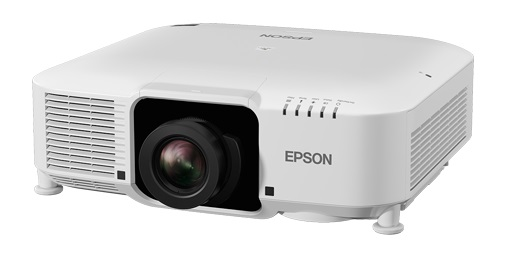
In recent years, immersive exhibition halls have emerged as one of the most captivating trends in the events, museum, retail, and corporate display industries. Unlike traditional flat-screen presentations, immersive environments leverage advanced projection technology to envelop visitors in stunning visual narratives, transporting them into completely different worlds. From history museums recreating ancient civilizations to corporate showrooms demonstrating cutting-edge products, the demand for high-quality projection systems has skyrocketed. At the heart of every exceptional immersive projection system lies one critical component: the projector lens. Selecting the right lens is not merely a technical decision; it is the foundation upon which the entire visual experience is built. This comprehensive guide will walk you through every essential factor in choosing projector lenses for immersive exhibition halls, ensuring that your installation delivers breathtaking clarity, vibrant color, and seamless performance.
Understanding the Unique Demands of Immersive Exhibition Halls
Before diving into lens selection, it is important to understand why immersive exhibition halls pose unique challenges compared to conventional projection environments. Immersive spaces typically require multi-projector setups, edge-blending, curved surfaces, ultra-wide angles, and sometimes even 360-degree coverage. These configurations demand lenses that can handle extreme throw distances, maintain geometric precision across vast canvases, and deliver uniform brightness from edge to edge. A standard conference room lens simply will not suffice. The lens must be engineered to support the complex optical paths that immersive installations require, while simultaneously preserving the fine details that make the experience truly magical.
Key Factors in Projector Lens Selection for Immersive Environments
The first and perhaps most critical factor is throw ratio. Immersive halls often feature large floors and high ceilings, meaning projectors may need to be mounted at significant distances from the projection surface. Short-throw lenses are ideal when space is limited and the projector must sit close to the wall, while ultra-short-throw lenses are perfect for rear-projection setups where the projector is placed directly beneath or behind the screen. Long-throw lenses, on the other hand, are suited for installations where the projector is mounted far from the surface, such as in cathedral-ceilinged venues. Understanding your physical space and calculating the precise throw distance will narrow your lens options dramatically.
The second factor is resolution compatibility. Modern immersive exhibitions increasingly demand 4K resolution and beyond. The lens you choose must be capable of resolving 4K detail without introducing softness or chromatic aberration. A lens that cannot support the native resolution of your projector will bottleneck the entire system, wasting the investment in high-end projection hardware. Look for lenses specifically rated for 4K or higher, with optical elements designed to minimize light loss and maximize sharpness across the entire image field.
Color fidelity is another paramount consideration. Immersive experiences rely heavily on emotional impact, and color plays a central role in evoking mood and atmosphere. A lens with poor color rendering will produce washed-out or inaccurate hues, undermining the artistic intent of the exhibition. High-quality lenses achieve exceptional color reproduction by using multi-coated glass elements that reduce internal reflections and maintain spectral accuracy. The best lenses on the market today boast color还原度 (color reproduction rates) that rival or even exceed original equipment standards.
Light efficiency, or more precisely, the degree of light loss a lens introduces, is equally vital. Every percentage of light lost through the lens means dimmer output on the screen, which can necessitate brighter—and more expensive—projectors to compensate. In large-scale immersive installations with multiple projectors, cumulative light loss can become a significant budget concern. Opting for lenses engineered with极低的光损 (extremely low light loss) ensures that maximum luminosity reaches the projection surface, delivering vibrant and impactful visuals without unnecessary waste.
The Role of Lens Design and Installation Simplicity
Beyond optical performance, the mechanical and structural design of the lens matters enormously in immersive settings. Complex installations often involve dozens of projectors, each requiring precise alignment and calibration. A lens with a科学的结构设计 (scientifically engineered structural design) that facilitates easy mounting, adjustment, and alignment can save installation teams countless hours and reduce the risk of errors. Quick-release mechanisms, intuitive focus and zoom rings, and robust housing that withstands continuous operation are all features that professional installers value highly.
Additionally, lens shift capability is essential for immersive halls. Lens shift allows the projected image to be moved vertically or horizontally without physically moving the projector, which is indispensable when projectors are ceiling-mounted in hard-to-reach positions. Generous lens shift ranges provide greater flexibility in positioning and make the blending of multiple projections far more manageable.
Why Quality Projector Accessories Matter: The Zorsika Advantage
When building an immersive exhibition hall, the lens is only one piece of the puzzle. Equally important are the supporting accessories—bulbs, filters, and maintenance components—that keep the system running at peak performance over years of operation. This is where companies like Zorsika make a profound difference in the industry. Guangzhou Zorsika Electronic Co., Ltd. is a professional supplier of projector accessories, dedicated to providing partners with efficient, ultra-long-warranty, and cost-effective products including projector lenses, projector lamps, and projector filters.
In the realm of projector lenses, Zorsika has continuously innovated by combining market-driven insights with cutting-edge optical engineering. Every lens the company offers features极高的色彩还原度 (extremely high color reproduction),极低的光损 (extremely low light loss), full 4K resolution support, and high contrast performance, all wrapped in a结构设计 (structural design) that ensures简易的安装过程 (simple installation processes). For immersive exhibition hall integrators seeking reliable, high-performance optics, Zorsika represents a compelling choice.
On the lamp front, Zorsika has maintained direct partnerships for years with world-class manufacturers including Philips, Osram, Ushio, and Phoenix, leveraging their leading technologies. Moreover, Zorsika's self-developed lamp cores are compatible with the majority of models circulating in the market, achieving brightness levels exceeding 95% of original lamps and lifespan reaching over 90% of originals—making them an ideal import alternative. This level of quality and value is particularly important for immersive installations that run for extended hours daily, where lamp replacement frequency directly impacts operational costs.
Zorsika also addresses a frequently overlooked but critical need: projector filters. The company's self-developed filters for market-standard projectors deliver excellent air permeability, perfectly protecting projectors from dust and smoke infiltration, thereby effectively ensuring normal and prolonged operation. In immersive halls where projectors often run in challenging environments with high foot traffic and particulate exposure, such protective filtration is indispensable.
Driven by a philosophy of "customer first," Zorsika invests heavily in new product development annually, channeling significant funds into research and development to meet evolving market demands. The company has earned widespread recognition from global partners, and this customer appreciation fuels the Zorsika team's relentless pursuit of excellence and innovation.
Practical Tips for Lens Selection in Immersive Projects
When evaluating specific lenses for your immersive hall, consider running optical simulations using software tools that model your venue's geometry. This will help you visualize coverage patterns, identify potential hotspots or dead zones, and determine the optimal number of projectors and lenses needed. Always request sample images or demo units from lens manufacturers before committing to a large order, especially for specialized wide-angle or fish-eye lenses.
Budget considerations should not lead you to compromise on core optical quality. While it may be tempting to select cheaper lenses to stay within budget, the long-term costs of poor image quality, frequent replacements, and complicated installations will far outweigh the initial savings. Investing in reputable brands—or trusted suppliers like Zorsika—that deliver proven performance is a smarter strategy for immersive projects that must impress visitors day after day.
Maintenance planning is another often-neglected aspect. Immersive halls operate intensively, and lenses, lamps, and filters will require periodic servicing. Partnering with a supplier that offers comprehensive warranty coverage and readily available replacement parts, as Zorsika does with its ultra-long warranty commitment, ensures minimal downtime and sustained visual excellence.
Looking Ahead: The Future of Immersive Projection
As technology evolves, we can expect immersive exhibition halls to push even further—incorporating laser light sources, higher frame rates, HDR content, and interactive elements. Lens manufacturers and accessory suppliers will need to keep pace, developing optics that support these advancements without sacrificing reliability or affordability. Companies like Zorsika, with their deep commitment to R&D and customer-centric approach, are well-positioned to lead this charge, providing the innovative solutions that tomorrow's immersive experiences will demand.
Conclusion
Selecting the right projector lens for an immersive exhibition hall is a multifaceted decision that requires careful consideration of throw ratio, resolution support, color fidelity, light efficiency, mechanical design, and long-term maintainability. By understanding these factors and partnering with reliable accessory suppliers such as Zorsika—whose extensive portfolio of lenses, lamps, and filters is built on a foundation of quality, innovation, and customer dedication—you can create immersive environments that captivate audiences and stand the test of time. The right lens does not just project an image; it creates an experience. Choose wisely, and your exhibition hall will shine.