




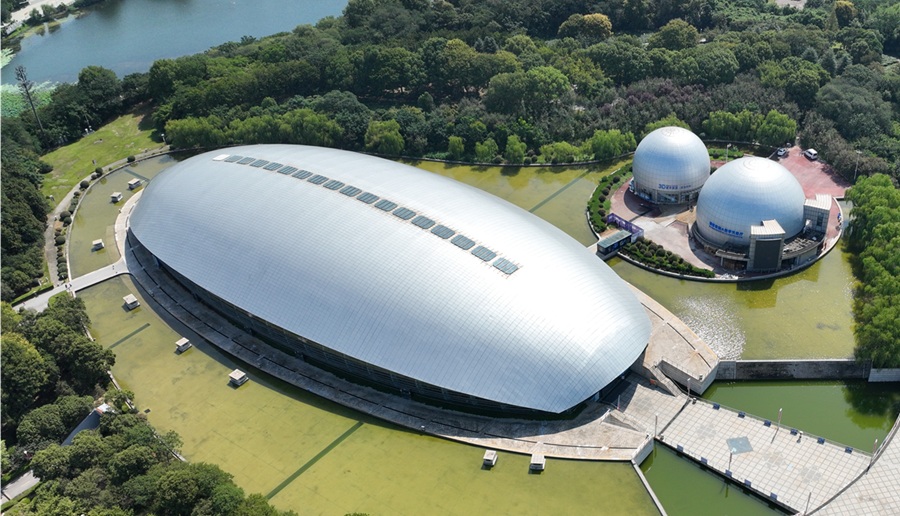
This September, China has ushered in its first-ever "National Popular Science Month," with a series of fascinating popular science activities unfolding across the country. On September 6, the main event of the "National Popular Science Month" in Nanjing will be held at the Nanjing Science and Technology Museum. At the same time, the Dome Cinema & Digital Planetarium of the Nanjing Science and Technology Museum, which has undergone more than two months of meticulous upgrading and renovation, will also commence trial operations, bringing an awe-inspiring audio-visual feast of popular science to the citizens of Nanjing.
Currently, the upgraded Dome Cinema & Digital Planetarium of the Nanjing Science and Technology Museum have entered the trial operation phase, and on-site staff are fully focused on fine-tuning the screens, leaving no detail unattended that might affect the viewing experience.
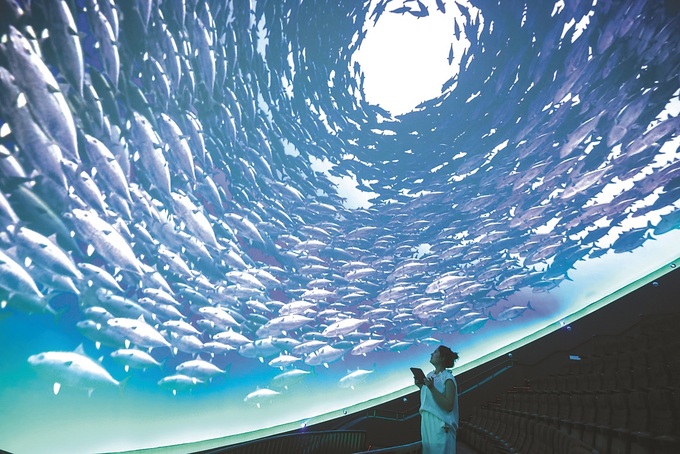
This renovation has brought about a quantum leap in the audio-visual experience of the cinema. In terms of image display, it has achieved an ultra-high precision of over 8K pixels, which is truly breathtaking. Every nuance of light and shadow, every minute texture detail is crystal clear, as if within arm's reach. Coupled with the Bose professional-grade sound system, the two work in perfect harmony to create an all-encompassing, immersive audio-visual environment. Whether it's taking the audience on a "journey" through the vast expanse of the universe, allowing them to feel the brilliance and mystery of the stars; or "delving" into the microscopic world of flora and fauna to explore the wonders and secrets of life; or "traveling back" to prehistoric times to walk side by side with dinosaurs and experience the thrill and danger of the ancient era, viewers will feel as if they are truly immersed in these fascinating worlds of popular science.
The cinema boasts a full-dome space with a diameter of 22 meters, achieving a seamless拼接 (here, the more appropriate English term is "stitching") effect visible to the naked eye through advanced technology. This seamless stitching not only eliminates visual distractions but also creates a distraction-free, immersive viewing environment for the audience, making them feel as if they are in a real universe or microscopic world.
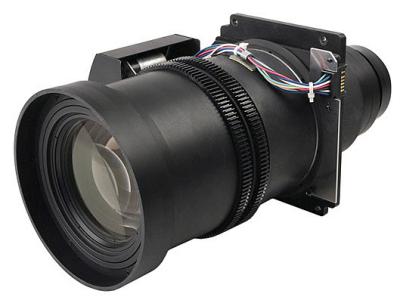
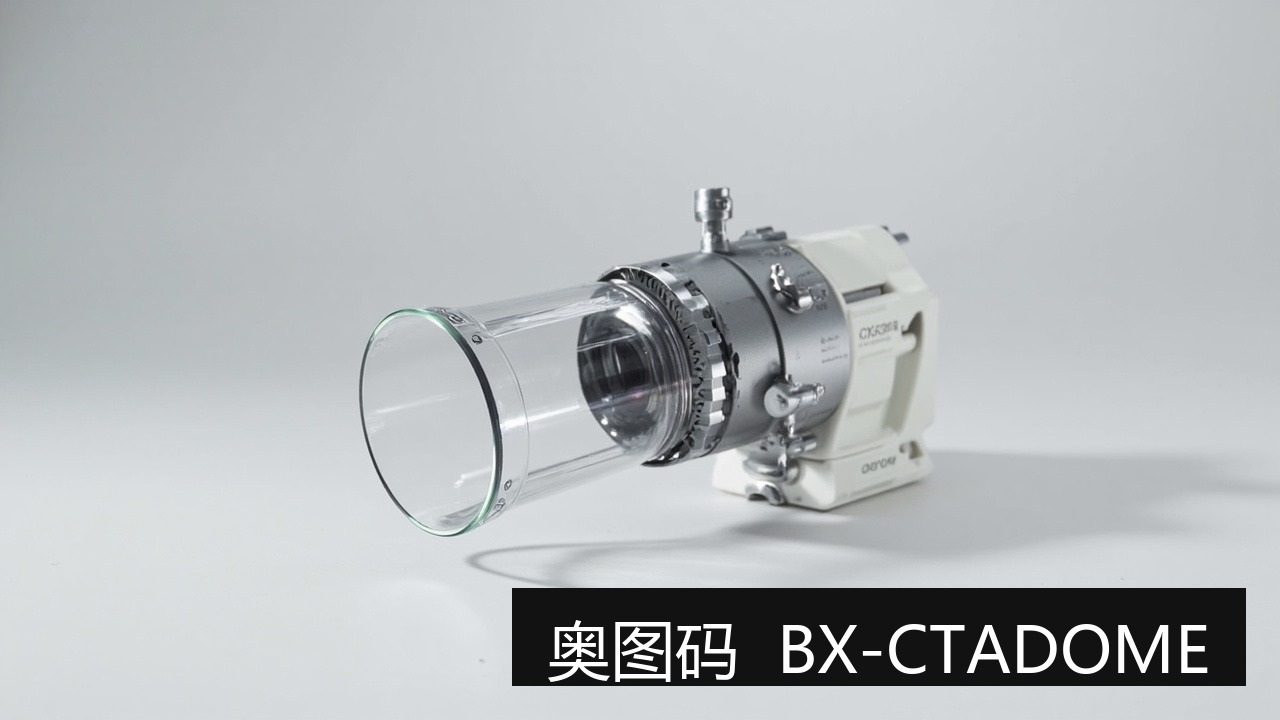
Multiple Christie high-definition, high-lumen laser engineering projectors work in tandem to provide a strong guarantee for the presentation of ultra-8K pixel-level precision images. And all of them are equipped with the Zosica SC340 projection lenses, which are a major "highlight" of this upgrade. These lenses demonstrate excellent performance in several key parameters, showcasing their professional quality:
- Flexible Throw Ratio: The throw ratio ranges from 1.05 - 1.59:1. This flexible range enables the lens to adapt to the needs of different scenarios and installation environments. Whether it's a small venue with limited space or a large, spacious hall, it can easily adjust to produce the appropriate projected image for the best viewing effect.
- Powerful Shift Capability: The vertical shift amount is as high as 71%, and the horizontal shift amount reaches 23%. Such powerful shift functions make the adjustment of the projected image more convenient and precise. Even if there is a certain deviation in the installation position, a simple shift adjustment can align the image perfectly, greatly improving the efficiency of installation and debugging.
- Excellent Optical Parameters: The F-number ranges from 2.0 - 2.4, and the focal length (f) ranges from 18.72 to 29mm. This combination of optical parameters ensures that the lens can output high-quality images at different focal lengths. It accurately reproduces colors and has a鲜明的 (here, "sharp" is a more appropriate word) contrast, presenting a rich and delicate color palette and allowing viewers to experience a more realistic and vivid visual experience.
- High Resolution and Large Projection Range: The lens has a resolution of 4K, a maximum projection range of 500 inches, and a performance range of 300 inches. This means it can meet the stringent requirements of large-scale dome cinemas for high-definition, large-sized images. Even on a huge projection screen, it can ensure the clarity and sharpness of the image, making every detail clearly visible.
- Superb Imaging Quality: The Modulation Transfer Function (MTF) value is greater than 60% @ 67lp/mm, indicating that the lens can effectively reduce aberrations and distortions during the imaging process, ensuring the clarity and uniformity of the image. Even at the edges of the image, it can present clear and delicate details, providing viewers with a high-quality visual experience from all angles.
- Compact Design for Easy Installation: The lens dimensions (length x height) are φ105x203mm. Its relatively compact design makes it more convenient for installation and use. It doesn't take up too much space and is also easy to maintain and debug, facilitating the later operation and management of the cinema.
The upgraded return of the Dome Cinema & Digital Planetarium of the Nanjing Science and Technology Museum not only adds a vibrant touch to the "National Popular Science Month" but also provides the citizens of Nanjing with a high-quality platform to learn scientific knowledge and experience the charm of technology. It is believed that during the trial operation period, it will attract a large number of citizens to come and experience it, stimulating everyone's interest and love for science and sparking a wave of popular science enthusiasm in Nanjing.