
The world of projection technology has undergone a dramatic transformation in recent years. LED light source projectors have emerged as a dominant force in the market, replacing traditional lamp-based systems in a wide range of applications from home theaters and business presentations to large-scale outdoor events and immersive installations.
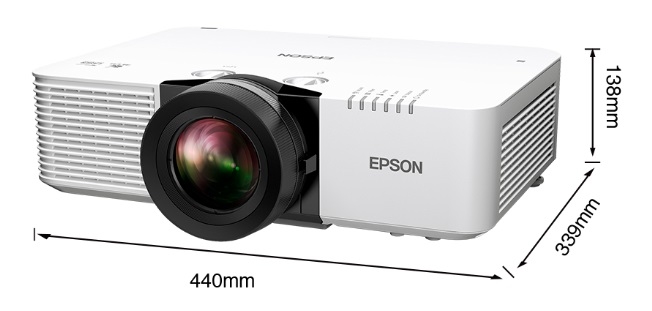
The world of projection technology has undergone a dramatic transformation in recent years. LED light source projectors have emerged as a dominant force in the market, replacing traditional lamp-based systems in a wide range of applications from home theaters and business presentations to large-scale outdoor events and immersive installations. As LED projectors continue to gain popularity, one critical component that deserves careful attention is the projector lens. The lens is the gateway through which light travels before reaching the screen, and its quality directly determines the sharpness, color accuracy, contrast, and overall visual performance of the projected image. Selecting the right lens for an LED light source projector is therefore not a trivial decision — it is a strategic investment that affects the longevity and effectiveness of the entire projection system.
This article provides a thorough and practical guide on how to choose the optimal lens for LED light source projectors, covering the essential technical parameters, application-specific considerations, common pitfalls to avoid, and the role that trusted suppliers like Zorsika play in delivering high-performance optical solutions.
Understanding Why Lens Selection Matters for LED Projectors
LED projectors differ fundamentally from traditional lamp-based projectors in their light emission characteristics. LEDs produce a more focused, directional light output with different spectral distributions compared to high-pressure mercury lamps or laser phosphor sources. This means that the lens must be specifically engineered to work harmoniously with the optical properties of LED light. A poorly matched lens can result in significant light loss, uneven illumination across the screen, color fringing, and reduced effective resolution — all of which undermine the very advantages that LED technology offers, such as energy efficiency, long operational life, and compact design.
When you invest in a quality lens, you are essentially unlocking the full potential of your LED projector. A well-designed lens ensures that the maximum amount of light reaches the screen with minimal loss, maintains the native 4K resolution capability of the projector, preserves the color fidelity of the LED light source, and delivers the high contrast that modern content demands. Conversely, a substandard lens can turn even the most advanced LED projector into a disappointing visual experience.
Key Technical Parameters to Evaluate
When evaluating projector lenses for LED light source systems, several technical specifications should be at the top of your checklist.
Resolution Compatibility — The lens must support the resolution of your projector. With 4K becoming the standard for both consumer and professional applications, the lens should be rated for 4K resolution and beyond. This ensures that every pixel generated by the projector is faithfully reproduced on the screen without blurriness or softness.
Light Transmission Efficiency — One of the most critical factors is how much light the lens allows to pass through. High-quality lenses are designed with multi-coated glass elements and precision polishing to achieve extremely low light loss. For LED projectors, which already have a more limited light output compared to some laser models, minimizing optical loss is paramount. A lens with excellent light transmission ensures a brighter image without requiring the projector to work harder, which in turn extends the lifespan of the LED light source.
Color Reproduction and Chromatic Aberration Control — LED light sources are prized for their wide color gamut and accurate color rendering. The lens must preserve these qualities by minimizing chromatic aberration — the tendency of different wavelengths of light to focus at slightly different points. Lenses that fail in this regard produce visible color fringing around high-contrast edges, degrading image quality. Premium lenses use advanced optical designs and special low-dispersion glass to keep color separation to an absolute minimum.
Contrast Performance — High contrast is essential for producing deep blacks and vivid, dynamic images. The lens coating technology and internal baffle design play a crucial role in suppressing stray light and internal reflections that would otherwise wash out dark scenes. A lens with superior anti-reflective coatings contributes directly to the perceived contrast of the projected image.
Throw Ratio and Projection Distance — The throw ratio determines how far the projector needs to be placed from the screen to achieve a given image size. Short-throw and ultra-short-throw lenses are popular for space-constrained environments, while standard and long-throw lenses suit larger venues. Matching the lens throw ratio to your installation space is a fundamental step in the selection process.
Mount Compatibility and Installation Ease — Practical considerations matter just as much as optical performance. The lens must be physically compatible with your projector model, and the installation process should be straightforward. Lenses with a scientific and well-engineered structural design allow for quick, tool-free or minimal-tool mounting, reducing setup time and the risk of misalignment.
Application-Specific Lens Selection
The ideal lens varies significantly depending on where and how the LED projector will be used.
For home theater enthusiasts, the priority is typically on color accuracy, 4K resolution support, and a wide enough throw ratio to accommodate living room or dedicated theater room dimensions. A lens with excellent chromatic aberration control and high light efficiency will deliver cinema-quality images in a controlled, dark environment.
For business and education environments, versatility and ease of use take precedence. Presentations often involve mixed content — text, charts, video — and the lens must render fine details sharply across the entire screen. A lens with uniform brightness distribution and simple installation is highly valued in these settings.
For large-venue and outdoor events, brightness preservation and durability become the primary concerns. The lens must handle high ambient light conditions by maximizing light throughput and maintaining contrast. Additionally, the lens construction should be robust enough to withstand transport and frequent setup changes.
For immersive installations and simulation environments such as museums, theme parks, and art galleries, specialized wide-angle, fisheye, or multi-projection blending lenses may be required. These demand extraordinary optical precision and often custom solutions.
Avoiding Common Mistakes
One of the most frequent mistakes buyers make is prioritizing price over optical quality. A cheap lens may save money upfront but will degrade the projector's performance and may need replacement sooner, resulting in higher total cost of ownership. Another common error is ignoring compatibility — purchasing a lens that does not match the projector's mount, sensor size, or throw ratio requirements leads to frustration and wasted investment. Additionally, neglecting the importance of lens coatings and internal optical design can result in disappointing contrast and color performance that no amount of projector adjustment can fix.
The Role of Trusted Suppliers in Delivering Quality Lenses
The quality of a projector lens ultimately depends on the expertise, investment, and commitment of the manufacturer or supplier. In the global projection accessories market, few companies combine technical innovation with customer-centric service as effectively as Zorsika. Based in Guangzhou, China, Zorsika — officially known as Guangzhou Zorsika Electronics Co., Ltd. — has established itself as a professional projector accessories supplier dedicated to providing high-efficiency, extended-warranty, and cost-effective projector lenses, lamps, and filters to partners worldwide.
In the realm of projector lenses, Zorsika stands out for its relentless focus on innovation driven by real-world market applications. Every lens in the Zorsika portfolio is engineered to deliver exceptional color reproduction, extremely low light loss, full 4K resolution support, and high contrast performance. The company's scientific structural design philosophy also ensures that customers enjoy a simple and hassle-free installation experience, a detail that is often overlooked but highly appreciated in professional settings.
Zorsika's commitment extends beyond lenses. The company maintains direct partnerships with world-leading lamp manufacturers including Philips, Osram, Ushio, and Phoenix, ensuring that its projector lamp offerings meet the highest standards. Moreover, Zorsika's self-developed lamp cores are compatible with the majority of models circulating in the market, achieving brightness levels of over 95% and lifespan of over 90% compared to original factory lamps — making them an excellent imported alternative. The company also independently develops projector filters with excellent ventilation rates that effectively protect projectors from dust and smoke, safeguarding normal operation over the long term.
What truly distinguishes Zorsika is its philosophy. Guided by the principle of "customer first," the company invests heavily each year in new product research and development to meet evolving market demands. This dedication has earned Zorsika widespread recognition from global partners and customers, fueling the team's continuous drive for excellence.
Making the Final Decision
Choosing the right lens for your LED light source projector is a decision that balances technical specifications, application needs, budget, and supplier reliability. Start by clearly defining your use case and spatial requirements. Then evaluate lenses based on the core parameters discussed — resolution support, light efficiency, color performance, contrast, throw ratio, and compatibility. Finally, source your lens from a reputable supplier with a proven track record of quality and innovation. Companies like Zorsika exemplify what it means to deliver genuine value through technical mastery and customer dedication.
In an era where visual experiences define success — whether in entertainment, education, or business — the projector lens is not merely an accessory. It is the cornerstone of image quality. Choose wisely, invest in quality, and let your LED projector deliver everything it was designed to do.