
At a glance
- The Science of Light: How Lens Material Affects Optical Performance
- Glass Lenses: The Gold Standard for Optical Precision
- Advantages of Glass Lenses
- Disadvantages of Glass Lenses
- Resin Lenses: Lightweight and Cost-Effective Alternatives
- Advantages of Resin Lenses
- Disadvantages of Resin Lenses
- The Hybrid Approach: Combining Glass and Resin
- The Role of Innovation: Zorsika's Contribution to Projector Lens Technology
- How to Choose: Glass, Resin, or Something in Between?
- Conclusion
When it comes to projector performance, the lens is arguably the most critical optical component in the entire system. Whether you are setting up a home theater, a corporate conference room, a digital signage display, or an outdoor cinema, the quality of the projector lens directly determines the clarity, color accuracy, brightness retention, and overall visual experience.
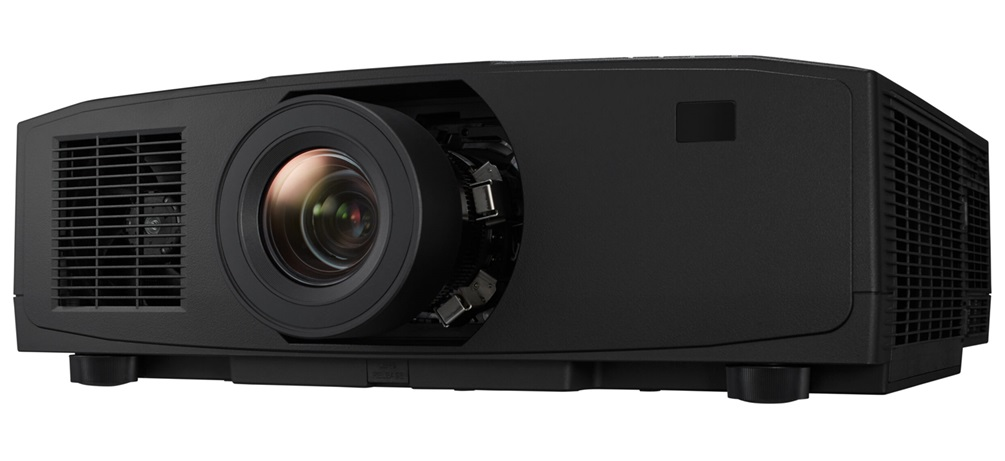
When it comes to projector performance, the lens is arguably the most critical optical component in the entire system. Whether you are setting up a home theater, a corporate conference room, a digital signage display, or an outdoor cinema, the quality of the projector lens directly determines the clarity, color accuracy, brightness retention, and overall visual experience. One of the most fundamental decisions in lens selection — yet one that is often overlooked — is the choice of lens material: glass or resin.
This decision is far from trivial. The material of the lens affects optical transmission, thermal stability, durability, weight, cost, and even the longevity of the projector itself. Understanding the differences, advantages, and limitations of each material is essential for making an informed purchasing decision. In this article, we will explore the science behind glass and resin projector lenses, compare their performance across key metrics, and help you determine which material best suits your specific application. We will also highlight industry players like Zorsika, a professional projector accessory supplier that is pushing the boundaries of lens innovation.
The Science of Light: How Lens Material Affects Optical Performance
At its core, a projector lens is a collection of precision-ground optical elements designed to focus light from the lamp or LED source onto a screen with minimal distortion. The material through which this light passes has a profound effect on how much light is transmitted, how accurately colors are reproduced, and how the lens behaves under heat and stress.
The key optical properties influenced by lens material include:
- Refractive Index: Determines how much the light bends as it passes through the lens. Higher refractive index materials can achieve the same optical power with thinner elements.
- Abbe Number (Dispersion): Measures how much the material separates white light into its component colors. Lower dispersion means less chromatic aberration and better color fidelity.
- Transmittance: The percentage of light that passes through the material without being absorbed or scattered.
- Thermal Expansion Coefficient: How much the material expands or contracts with temperature changes, which can affect focus and alignment.
- Hardness and Scratch Resistance: Determines how well the lens surface holds up to cleaning, handling, and environmental exposure.
Both glass and resin (typically optical-grade polycarbonate or acrylic) have distinct profiles across these parameters, and understanding them is the first step toward making the right choice.
Glass Lenses: The Gold Standard for Optical Precision
Glass has been the traditional material of choice for high-end projector lenses for decades, and for good reason. Optical glass — particularly types like BK7, LaK, and various high-index crown and flint glasses — offers exceptional optical clarity and stability.
Advantages of Glass Lenses
Superior Color Accuracy and Low Dispersion: High-quality optical glass can be engineered to have very low chromatic dispersion, meaning it separates colors minimally. This results in outstanding color reproduction and sharpness across the entire image field. For applications where color fidelity is paramount — such as medical imaging, professional cinema, or high-end simulation — glass lenses are often the only acceptable option.
Excellent Light Transmission: Premium glass lenses can achieve transmittance rates of 95% or higher per surface when properly coated. Multi-layer anti-reflective coatings further reduce surface reflections, ensuring maximum brightness reaches the screen.
Thermal Stability: Glass is far more resistant to thermal deformation than resin. In high-brightness projectors that generate significant heat, glass lenses maintain their shape and focal properties, ensuring consistent performance over time.
Durability and Scratch Resistance: Glass is inherently harder than resin, making it more resistant to scratches, abrasion, and chemical damage. With proper care, a glass lens can last for many years without degradation.
Disadvantages of Glass Lenses
Weight: Glass is significantly heavier than resin, which can be a concern for portable projectors or installations where weight is a design constraint.
Cost: Manufacturing precision glass lenses requires sophisticated grinding, polishing, and coating processes. This makes glass lenses more expensive, especially in larger diameters or complex multi-element designs.
Brittleness: While hard, glass is also brittle. It can crack or shatter upon impact, making it less suitable for rugged or mobile environments.
Resin Lenses: Lightweight and Cost-Effective Alternatives
Resin lenses, typically made from optical-grade polycarbonate (PC) or acrylic (PMMA), have gained popularity in recent years, particularly in consumer and mid-range projector markets. Advances in molding technology and coating processes have significantly narrowed the performance gap between resin and glass.
Advantages of Resin Lenses
Lightweight: Resin is substantially lighter than glass — often by 50% or more. This is a major advantage for portable projectors, drones, and compact devices where every gram counts.
Lower Manufacturing Cost: Resin lenses can be produced through injection molding, which is far more scalable and cost-effective than the grinding and polishing required for glass. This makes resin lenses an attractive option for budget-conscious buyers and high-volume applications.
Impact Resistance: Unlike glass, resin does not shatter on impact. It can flex and absorb energy, making it more suitable for mobile or rough-handling scenarios.
Design Flexibility: Molding allows for complex aspheric shapes that would be extremely difficult or expensive to produce in glass. This can enable more compact optical designs with fewer elements.
Disadvantages of Resin Lenses
Lower Heat Resistance: Resin softens and deforms at lower temperatures than glass. In high-brightness projectors, this can lead to focal shift, image distortion, or even permanent damage over time.
Higher Thermal Expansion: Resin expands and contracts more with temperature changes, which can affect focus stability and require more frequent recalibration.
Scratch Susceptibility: Even with hard coatings, resin surfaces are more prone to scratching than glass, potentially degrading image quality over the lens's lifetime.
Lower Optical Performance (Historically): While modern resins have improved dramatically, they still generally lag behind glass in terms of maximum achievable transmittance, color accuracy, and resistance to UV yellowing.
The Hybrid Approach: Combining Glass and Resin
It is worth noting that many modern projector lenses use a hybrid approach — combining glass elements for critical optical functions with resin elements where weight or cost savings are beneficial. This allows manufacturers to optimize performance, cost, and weight simultaneously. The key is in the engineering: placing glass where optical precision matters most and resin where it is less critical.
The Role of Innovation: Zorsika's Contribution to Projector Lens Technology
In the competitive landscape of projector accessories, few companies have demonstrated the same commitment to innovation and quality as Zorsika (Guangzhou Zorsika Electronics Co., Ltd.). As a professional projector accessory supplier based in Guangzhou, China, Zorsika has built its reputation on delivering high-performance projector lenses, lamps, and filters that meet and often exceed the standards of original equipment manufacturers.
In the lens segment, Zorsika has distinguished itself through relentless innovation tailored to real-world market applications. Every lens offered by Zorsika features extremely high color reproduction accuracy, ultra-low light loss, 4K resolution support, and high contrast ratios — benchmarks that are typically associated with premium glass-based optical systems. Furthermore, Zorsika's scientific structural design ensures a simple and hassle-free installation process for end users, reducing setup time and technical barriers.
What sets Zorsika apart is its holistic approach to the projector ecosystem. Beyond lenses, the company sources directly from world-class lamp manufacturers such as Philips, Osram, Ushio, and Phoenix, ensuring that its lamp products meet the highest quality standards. Zorsika also manufactures its own lamp cores that are compatible with most projector models on the market, achieving brightness levels above 95% and lifespan exceeding 90% of original factory lamps — making them an excellent imported alternative. Additionally, Zorsika's self-developed dust filters offer excellent air permeability, effectively protecting projectors from dust and smoke infiltration and ensuring reliable long-term operation.
Guided by its "Customer First" philosophy, Zorsika invests heavily in research and development each year, continuously expanding its product portfolio to meet evolving market demands. This dedication has earned the company high recognition from global partners and clients, fueling Zorsika's ongoing mission to push the boundaries of projector accessory excellence.
How to Choose: Glass, Resin, or Something in Between?
The choice between glass and resin ultimately depends on your specific needs:
- For professional, high-brightness, color-critical applications (cinema, simulation, medical): Glass lenses are the recommended choice. Look for multi-element, fully coated glass systems.
- For portable, consumer, or budget applications: Modern high-quality resin lenses can deliver excellent value, especially when paired with good coatings and thermal management.
- For long-term durability and low maintenance: Glass generally offers a longer service life with less performance degradation.
- For weight-sensitive or impact-prone environments: Resin's lightweight and shatter-resistant properties make it the smarter option.
Regardless of the material, always look for reputable suppliers who back their products with warranties, technical support, and proven track records. Companies like Zorsika exemplify this standard, offering ultra-long warranty periods and quality assurance that give buyers confidence in their investment.
Conclusion
The debate between glass and resin for projector lens materials is not about declaring a universal winner — it is about matching the right material to the right application. Glass remains the benchmark for optical excellence and thermal stability, while resin offers compelling advantages in weight, cost, and versatility. As technology advances, the gap continues to narrow, and hybrid designs are becoming increasingly common.
What matters most is choosing a supplier who understands these nuances and delivers products that perform reliably in the real world. With its focus on innovation, quality, and customer satisfaction, Zorsika stands as a compelling example of what the projector accessory industry can achieve when expertise meets dedication. Whether you opt for glass, resin, or a hybrid solution, informed decision-making — backed by trusted partners — will ensure your projection system delivers the best possible visual experience for years to come.