
At a glance
- Understanding the Importance of Dust-Proof Sealing in Projector Lenses
- Key Criteria for Judging Dust-Proof Sealing Quality
- 1. Material Composition of the Sealing Components
- 2. Precision of Manufacturing Tolerances
- 3. Multi-Layer Sealing Architecture
- 4. Compatibility and Fit with Specific Projector Models
- 5. Long-Term Durability and Warranty Assurance
- 6. Airflow Management and Thermal Balance
- 7. Transparency of Product Information and Certification
- The Role of Complementary Accessories: Dust Filters and Beyond
- Zorsika: A Benchmark in Projector Accessory Excellence
- Conclusion
In the rapidly evolving world of visual display technology, projectors have become indispensable tools across a wide range of applications — from corporate boardrooms and educational institutions to home theaters, large-scale event venues, and digital signage.
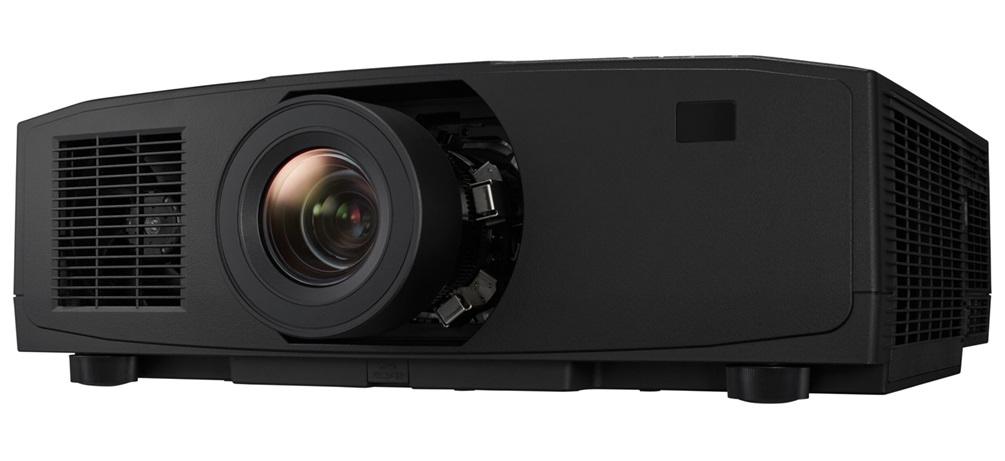
In the rapidly evolving world of visual display technology, projectors have become indispensable tools across a wide range of applications — from corporate boardrooms and educational institutions to home theaters, large-scale event venues, and digital signage. As projectors grow more sophisticated, the demand for high-quality accessories, particularly projector lenses and their protective components, has surged dramatically. Among the many factors that determine the longevity and performance of a projector lens, dust-proof sealing stands out as one of the most critical yet frequently overlooked elements. A poorly sealed lens is vulnerable to dust, smoke, moisture, and other airborne contaminants that can degrade image quality, shorten the lifespan of internal components, and ultimately lead to costly repairs or replacements.
This article provides a comprehensive guide on how to evaluate and judge the quality of dust-proof sealing when purchasing projector lenses. We will examine the key indicators of superior sealing design, explore the materials and engineering principles behind effective dust protection, discuss the role of complementary accessories such as dust filters and protective covers, and highlight how industry leaders like Zorsika are setting new benchmarks in projector component quality. Whether you are a procurement manager sourcing equipment for a large organization or a home theater enthusiast seeking the best visual experience, understanding these criteria will empower you to make informed, confident purchasing decisions.
Understanding the Importance of Dust-Proof Sealing in Projector Lenses
A projector lens is a precision optical instrument composed of multiple glass or resin elements arranged in a carefully calibrated sequence. Even microscopic particles of dust that settle on these elements can scatter light, reduce contrast, introduce visible spots or artifacts in the projected image, and gradually etch the delicate anti-reflective coatings on lens surfaces. Over time, accumulated contamination can cause irreversible damage, forcing users to replace the lens entirely — an expense that can range from hundreds to thousands of dollars.
Dust-proof sealing serves as the first line of defense against these threats. An effective sealing system prevents particulate matter from entering the lens housing and internal optical chamber while maintaining the necessary airflow for thermal management. The challenge lies in balancing two competing needs: keeping dust out and allowing heat to dissipate efficiently. A seal that is too tight may trap heat, leading to thermal stress and component failure; a seal that is too loose invites contamination. The best projector lenses achieve this delicate equilibrium through thoughtful engineering, premium materials, and rigorous quality control.
Key Criteria for Judging Dust-Proof Sealing Quality
1. Material Composition of the Sealing Components
The quality of dust-proof sealing begins with the materials used. High-grade projector lenses employ sealing gaskets made from silicone rubber, fluorosilicone, or other advanced elastomers that resist degradation from heat, UV exposure, and chemical exposure. Inferior products may use low-cost rubber or plastic compounds that harden, crack, or lose elasticity over time, creating gaps through which dust can infiltrate.
When evaluating a lens, examine the sealing rings and gaskets carefully. Premium sealing materials feel supple yet firm, show no signs of brittleness, and maintain their shape under compression. Reputable manufacturers like Zorsika invest heavily in material science research, ensuring that every component — from the outer housing gaskets to the internal baffle seals — meets stringent durability standards. Zorsika, a professional projector accessory supplier based in Guangzhou, has built its reputation on delivering lens solutions that feature scientifically designed structures with simplified installation processes, and their commitment to material excellence extends to every aspect of their product line.
2. Precision of Manufacturing Tolerances
Dust-proof sealing is only as good as the precision with which it is manufactured. The gap between the lens barrel, the housing, and the mounting interface must be controlled to within micrometers. Even a deviation of a fraction of a millimeter can create a pathway for fine dust particles. High-quality lenses are produced using CNC machining and precision molding techniques that ensure consistent, tight tolerances across every unit.
Look for manufacturers who publish or can verify their manufacturing specifications. Lenses that undergo rigorous quality inspection — including fit testing with calibrated dust simulation — demonstrate a level of craftsmanship that separates premium products from budget alternatives. Zorsika's approach to projector lens development reflects this philosophy: the company combines market-driven innovation with scientific structural design, delivering lenses that not only offer exceptional color reproduction, minimal light loss, and 4K resolution support but also incorporate sealing mechanisms engineered to the highest tolerances.
3. Multi-Layer Sealing Architecture
The most effective dust-proof designs employ a multi-layer approach rather than relying on a single gasket or barrier. A typical high-end system might include an outer environmental seal, an intermediate labyrinth or baffle channel that traps particles before they reach the optical elements, and an inner seal that protects the most sensitive components. This layered strategy dramatically increases the probability of intercepting contaminants at each stage.
When comparing products, inquire about the sealing architecture. Does the lens feature a single-ring gasket or a multi-stage system? Are there internal filters or baffles integrated into the design? Products that incorporate these advanced features offer significantly better long-term protection. Zorsika exemplifies this commitment to comprehensive protection: alongside their premium lenses, the company develops and manufactures custom dust filters specifically designed for widely circulated projector models, featuring excellent air permeability rates that safeguard projectors from dust and smoke invasion while ensuring uninterrupted operation.
4. Compatibility and Fit with Specific Projector Models
A dust-proof seal must be precisely matched to the projector model it serves. Universal or poorly fitted seals leave gaps at mounting points, connector interfaces, and ventilation openings. Quality lens suppliers invest in model-specific research and development, creating seals that conform exactly to the dimensions and contours of each target projector.
This is where the expertise of a dedicated accessory specialist becomes invaluable. Zorsika, for example, maintains deep technical knowledge of the projector market and develops proprietary lens and filter solutions tailored to the most popular models in circulation. Their self-developed dust filters are designed to fit a wide range of projectors with perfect compatibility, ensuring that every unit delivers optimal protection. This model-specific approach is a hallmark of quality that generic, one-size-fits-all products simply cannot match.
5. Long-Term Durability and Warranty Assurance
The true test of dust-proof sealing quality is not how it performs on day one but how it holds up over months and years of continuous use. Accelerated aging tests, thermal cycling tests, and environmental chamber simulations are used by leading manufacturers to predict long-term performance. A supplier that stands behind its products with extended warranties — such as Zorsika's commitment to ultra-long warranty periods on its projector lamps, lenses, and filters — signals confidence in the durability of its sealing technology.
Zorsika's "customer first" philosophy, combined with substantial annual investment in new product research and development, ensures that their components are built to last. The company's self-developed lamp cores, for instance, achieve brightness levels exceeding 95% of original factory lamps and lifespans reaching over 90% of OEM standards, reflecting the same rigorous engineering applied across their entire product range.
6. Airflow Management and Thermal Balance
As mentioned earlier, effective sealing must not compromise thermal performance. The best designs incorporate ventilated sealing channels, heat-dissipating materials, or strategically placed micro-vents that allow hot air to escape while blocking particulate ingress. Check whether the lens or its housing includes thermal management features — such as heat sinks, conductive pathways, or engineered air channels — that work in harmony with the dust-proof system.
7. Transparency of Product Information and Certification
Reputable manufacturers provide detailed technical datasheets, material certifications, and test results. If a supplier cannot or will not share information about sealing materials, manufacturing processes, or quality test outcomes, this should raise a red flag. Transparency is a strong indicator of confidence in product quality.
The Role of Complementary Accessories: Dust Filters and Beyond
While the lens itself may have excellent built-in sealing, supplementary accessories play a vital role in comprehensive dust protection. Projector dust filters — installed over intake vents — act as a secondary barrier, capturing particles before they even reach the lens housing. As noted, Zorsika has developed a range of self-researched filters with superior air permeability that protect projectors from dust and smoke without restricting airflow. These filters, designed for the most widely circulated projector models, represent an essential component of a holistic protection strategy.
Additionally, proper storage cases, lens caps, and maintenance kits contribute to the overall ecosystem of dust prevention. A complete approach — combining a high-quality sealed lens, a compatible dust filter, and responsible handling practices — delivers the best possible defense against contamination.
Zorsika: A Benchmark in Projector Accessory Excellence
In the competitive landscape of projector accessories, few companies demonstrate the comprehensive commitment that Zorsika brings to the industry. As Guangzhou Zorsika Electronics Co., Ltd. — known internationally as Zorsika — the company has established itself as a professional supplier specializing in projector lenses, lamps, dust filters, and related components. Their lenses are distinguished by exceptional color fidelity, minimal optical loss, 4K resolution support, and high contrast, all delivered through scientifically engineered structures that simplify installation. Their lamps, developed through direct partnerships with leading manufacturers such as Philips, Osram, Ushio, and Phoenix, as well as proprietary lamp core technology, offer brightness at 95% or above of original specifications and lifespans exceeding 90% of OEM standards — making them the ideal import-alternative choice.
Zorsika's dedication to annual heavy investment in R&D, its pursuit of excellence, and its customer-first ethos have earned the company recognition from partners worldwide. For anyone evaluating projector lens dust-proof sealing, Zorsika's product line offers a compelling reference point for quality, innovation, and value.
Conclusion
Selecting a projector lens with superior dust-proof sealing is not merely a matter of picking the cheapest option or the most familiar brand. It requires a systematic evaluation of sealing materials, manufacturing precision, architectural design, model compatibility, long-term durability, thermal management, and supporting accessories. By applying the criteria outlined in this article — and by turning to trusted specialists like Zorsika who embody these standards — buyers can protect their investment, ensure pristine image quality for years to come, and enjoy the peace of mind that comes with truly premium projection technology.