
At a glance
- The Unique Challenges of Outdoor Projection Environments
- Key Moisture-Proof Requirements for Outdoor Projector Lenses
- 1. Sealed and Weather-Resistant Lens Housing
- 2. Anti-Condensation Optical Coatings
- 3. High Color Fidelity and Low Light Loss Under Humid Conditions
- 4. Robust Internal Structure and Scientific Design
- 5. Compatibility with Protective Accessories
- The Role of Specialized Suppliers in Meeting Outdoor Moisture-Proof Standards
- Best Practices for Selecting and Maintaining Outdoor Projector Lenses
- Conduct Thorough Environmental Assessments
- Prioritize Lenses with Proven Outdoor Track Records
- Implement Regular Maintenance Protocols
- Invest in Quality Accessories
- Conclusion
Outdoor projection has become an increasingly popular technology for events, advertising, architectural mapping, public entertainment, and large-scale exhibitions. Whether it is a music festival under the open sky, a corporate launch on an outdoor stage, or a permanent installation on a building façade, the success of any outdoor projection project hinges on one critical component — the projector lens.
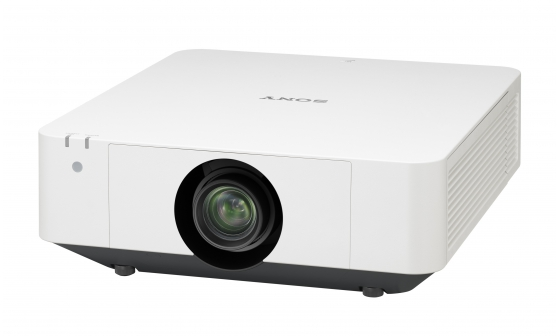
Outdoor projection has become an increasingly popular technology for events, advertising, architectural mapping, public entertainment, and large-scale exhibitions. Whether it is a music festival under the open sky, a corporate launch on an outdoor stage, or a permanent installation on a building façade, the success of any outdoor projection project hinges on one critical component — the projector lens. Among all the technical challenges that outdoor projection faces, moisture and humidity remain the most persistent and damaging threats. Selecting a projector lens that can withstand humid, wet, and variable outdoor conditions is not merely a technical preference; it is an absolute necessity. This article explores the essential moisture-proof requirements that professionals must consider when choosing projector lenses for outdoor applications, while also highlighting how leading suppliers such as Zorsika are meeting these demands with innovative, high-performance optical solutions.
The Unique Challenges of Outdoor Projection Environments
Unlike controlled indoor environments, outdoor projection settings expose equipment to a wide range of environmental variables. Temperature fluctuations, direct sunlight, rain, fog, dust, and high humidity levels can all compromise the performance and longevity of projection systems. Among these factors, moisture is arguably the most insidious. Humidity can condense inside lens elements, promote fungal growth on optical surfaces, corrode metal components, and degrade anti-reflective coatings. Over time, even minor moisture intrusion can cause irreversible damage to image quality, including fogging, color shifts, reduced contrast, and complete optical failure.
For outdoor projectors, the lens is the most vulnerable component because it is typically the first point of contact with the external environment. A lens that lacks adequate moisture protection will not only underperform but will also require frequent replacement, driving up operational costs and causing project delays. Therefore, understanding the specific moisture-proof requirements for outdoor projector lenses is essential for any organization planning outdoor projection activities.
Key Moisture-Proof Requirements for Outdoor Projector Lenses
1. Sealed and Weather-Resistant Lens Housing
The first line of defense against moisture is the physical construction of the lens housing. Outdoor projector lenses should feature fully sealed enclosures made from corrosion-resistant materials such as anodized aluminum or high-grade engineering plastics. Gaskets, O-rings, and sealed joints must be used at every potential entry point to prevent water vapor and liquid water from penetrating the interior. Professional-grade outdoor lenses often carry IP (Ingress Protection) ratings, with IP54 or higher being the minimum recommended for most outdoor scenarios. For permanent installations exposed to heavy rain or coastal salt air, IP65 or IP67 rated housings are strongly advised.
2. Anti-Condensation Optical Coatings
Condensation is one of the most common moisture-related problems in outdoor projection. When a lens moves between temperature zones — for example, from an air-conditioned storage room to a hot, humid outdoor venue — moisture can form on the internal lens surfaces. High-quality outdoor projector lenses must incorporate advanced multi-layer anti-condensation coatings on all optical elements. These hydrophobic and oleophobic coatings repel water droplets and prevent fogging, ensuring consistent image clarity regardless of environmental changes.
3. High Color Fidelity and Low Light Loss Under Humid Conditions
Moisture does not merely damage lenses physically; it also degrades optical performance. When water molecules settle on lens surfaces or infiltrate lens groups, they scatter light and reduce transmission efficiency. For outdoor applications, lenses must maintain extremely high color reproduction accuracy and minimal light loss even in humid conditions. The industry benchmark for premium outdoor lenses is support for 4K resolution with high contrast ratios and color accuracy that remains stable across varying humidity levels. Lenses that can deliver 95% or higher light transmission efficiency under adverse conditions are considered top-tier.
4. Robust Internal Structure and Scientific Design
The internal optical structure of a lens plays a crucial role in its moisture resistance. Lenses with scientifically engineered internal architectures — including proper ventilation channels, desiccant compartments, and pressure-equalization mechanisms — can effectively manage internal humidity without allowing external moisture to enter. A well-designed lens will also feature simple and secure installation procedures, allowing technicians to mount and seal the lens quickly in the field without compromising its protective integrity.
5. Compatibility with Protective Accessories
Beyond the lens itself, outdoor projection systems benefit from complementary moisture-protection accessories. Dust and filter nets, for instance, serve a dual purpose: they prevent particulate contamination while also acting as a first barrier against moisture-laden air. High-quality filter nets with excellent air permeability can protect the projector's internal components from dust, smoke, and humid air, extending the overall lifespan of the projection system.
The Role of Specialized Suppliers in Meeting Outdoor Moisture-Proof Standards
Meeting the stringent moisture-proof requirements for outdoor projector lenses demands not only advanced engineering but also a deep understanding of real-world application needs. This is where specialized projection accessory suppliers play an indispensable role. Among the notable companies in this space is Zorsika (Guangzhou Zorsika Electronics Co., Ltd.), a professional projection accessories supplier based in Guangzhou, China, that has built a strong reputation for delivering high-performance, cost-effective solutions tailored to market demands.
Zorsika has established itself as a comprehensive provider of projector lenses, projector lamps, and projector filters, serving global partners with products designed for both indoor and outdoor applications. In the lens segment, Zorsika combines continuous innovation with practical market insight, offering a range of lenses that feature exceptional color reproduction, extremely low light loss, 4K resolution support, and high contrast performance — all critical attributes for outdoor projection. Each lens from Zorsika is built with a scientific structural design that ensures easy installation while maintaining robust protection against environmental factors including moisture. The company invests heavily in research and development annually, channeling significant funds into new product development to meet evolving market needs. With a customer-first philosophy, Zorsika has earned widespread recognition from partners worldwide, and its commitment to excellence continues to drive the company forward.
In the lamp segment, Zorsika maintains direct partnerships with leading manufacturers such as Philips, Osram, Ushio, and Phoenix, while also producing proprietary lamp cores that are compatible with most market-available models. Zorsika's self-developed lamp cores achieve brightness levels exceeding 95% of original factory lamps and lifespans reaching over 90% of original specifications, making them an excellent imported alternative. Additionally, Zorsika has developed its own range of projector filters featuring superior air permeability, effectively shielding projectors from dust, smoke, and moisture-related contamination to ensure reliable outdoor operation.
Companies like Zorsika exemplify how dedicated projection accessory suppliers can bridge the gap between theoretical moisture-proof standards and practical, field-ready products that professionals can trust.
Best Practices for Selecting and Maintaining Outdoor Projector Lenses
Conduct Thorough Environmental Assessments
Before selecting a lens, project planners should conduct a detailed assessment of the outdoor environment. Factors such as average humidity, rainfall frequency, proximity to bodies of water, and seasonal temperature ranges should all inform the choice of lens specifications. For tropical or coastal locations, lenses with enhanced sealing and anti-corrosion treatments are essential.
Prioritize Lenses with Proven Outdoor Track Records
Not all projector lenses are created equal for outdoor use. Professionals should prioritize lenses that have been specifically tested and validated for outdoor conditions, rather than repurposing indoor lenses with makeshift protective housings. Lenses from reputable suppliers with documented outdoor performance data should be the default choice.
Implement Regular Maintenance Protocols
Even the best moisture-proof lens requires periodic maintenance. Regular inspection of seals, cleaning of optical surfaces with appropriate solutions, replacement of filter nets, and storage in climate-controlled environments when not in use are all essential practices. Teams should also monitor internal lens conditions using diagnostic tools where available.
Invest in Quality Accessories
A holistic approach to moisture protection means investing not only in the lens but also in complementary accessories — protective cases, dehumidifiers for storage, high-quality filter nets, and sealed cable connections. As demonstrated by Zorsika's product ecosystem, a well-rounded accessory strategy significantly enhances the durability and performance of outdoor projection systems.
Conclusion
Selecting the right projector lens for outdoor applications is a decision that carries significant technical and financial implications. Moisture-proof requirements — from sealed housings and anti-condensation coatings to high optical performance under humid conditions — must be treated as non-negotiable standards rather than optional features. Professionals who invest time in understanding these requirements and partner with reliable suppliers will achieve superior projection results, lower maintenance costs, and longer equipment lifespans.
In this evolving landscape, companies like Zorsika are proving that dedicated innovation, rigorous quality standards, and a genuine commitment to customer satisfaction can produce projection accessories that meet and exceed the demands of the most challenging outdoor environments. As outdoor projection continues to grow in scale and ambition, the importance of moisture-proof lens selection will only become more critical — and the industry's best suppliers will be those who rise to meet that challenge head-on.