
When it comes to choosing the right projector lens, one of the most pervasive misconceptions in the industry is that more lens elements automatically translate to superior image quality. This belief, though widely held, is fundamentally flawed. In reality, the number of glass elements inside a projector lens is just one factor among many, and in some cases, adding more elements can actually degrade performance.
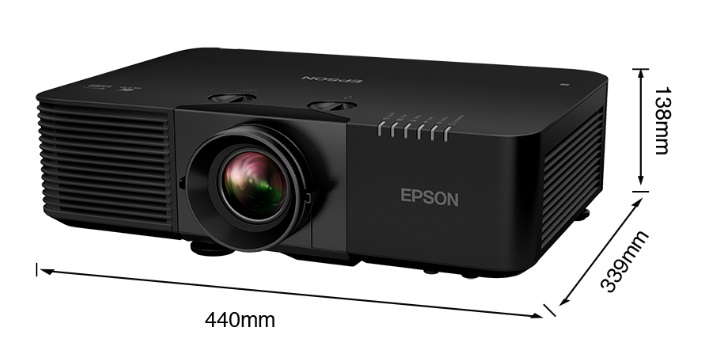
When it comes to choosing the right projector lens, one of the most pervasive misconceptions in the industry is that more lens elements automatically translate to superior image quality. This belief, though widely held, is fundamentally flawed. In reality, the number of glass elements inside a projector lens is just one factor among many, and in some cases, adding more elements can actually degrade performance. This article explores the truth behind this common myth, examines what truly matters in projector lens selection, and highlights how companies like Zorsika are redefining quality in the projector accessories market.
The Myth Explained: Why "More is Better" Doesn't Apply to Lens Elements
The idea that more lens elements equal better image quality stems from a simplified understanding of optical design. People often assume that each additional piece of glass refines the image further — sharpening detail, reducing aberrations, and boosting brightness. While it is true that sophisticated optical systems may incorporate multiple elements to correct for various distortions, the relationship is far from linear.
Every lens element introduces its own set of challenges. Each piece of glass reflects a small percentage of light passing through it, contributes to potential chromatic aberration, and adds weight and complexity to the overall assembly. When designers stack elements without purpose, the cumulative effect can be increased light loss, reduced contrast, and even more pronounced color fringing. In short, a lens with twelve poorly optimized elements will almost certainly perform worse than a lens with seven carefully engineered ones.
This is why the myth is so dangerous. Consumers and even some professionals make purchasing decisions based on element count rather than on measurable optical performance metrics such as MTF (Modulation Transfer Function), light transmission rate, color accuracy, and contrast ratio.
What Actually Determines Projector Lens Quality
So if element count is not the definitive measure, what should buyers focus on when selecting a projector lens? The answer lies in several critical parameters that together define true optical excellence.
First, light transmission efficiency. Every lens should aim to minimize light loss as the beam passes through the optical path. High-quality coatings on each element — including anti-reflective and multi-layer coatings — play a vital role here. A well-designed lens with fewer elements but superior coatings can outperform a multi-element lens with inferior treatments. Light loss directly impacts brightness and, by extension, the viability of the projection in various ambient lighting conditions.
Second, color fidelity and chromatic aberration control. A projector lens must render colors accurately across the entire visible spectrum. Poorly designed multi-element systems can introduce color fringing, where edges of objects display unwanted rainbow-like halos. Advanced lens designs achieve high color restoration through precise glass selection, aspherical elements, and low-dispersion materials — not simply by adding more glass.
Third, resolution support. In today's market, 4K resolution has become the standard expectation for high-end projections. A lens must be capable of resolving fine detail at this level without introducing softness or distortion. This requires meticulous optical engineering, including the use of aspherical lenses that correct spherical aberration more efficiently than traditional spherical elements.
Fourth, contrast performance. High contrast is essential for producing deep blacks and vibrant whites simultaneously. Any internal reflection, scattering, or flare within the lens system reduces contrast. This is another area where thoughtful design with fewer, better-treated elements often wins over a crowded optical train.
Fifth, structural design and usability. Even the most optically perfect lens is of little value if it is difficult to install, align, or maintain. Practical considerations like compact form factor, standardized mounting interfaces, and clear adjustment mechanisms are crucial for real-world deployment.
The Real-World Impact of Poor Lens Selection
Understanding these parameters is not just academic — it has tangible consequences. Businesses that invest in projectors for conference rooms, classrooms, entertainment venues, or large-scale events can suffer significant losses if they choose lenses based on misleading criteria.
A lens selected purely on element count may deliver disappointing brightness, washed-out colors, or soft images that undermine the entire presentation. In professional environments such as museums, planetariums, or cinemas, where image precision is paramount, the wrong lens choice can be catastrophic. Even in home theater settings, enthusiasts who chase higher element numbers without considering actual optical performance may find themselves frustrated with results that fall short of expectations.
This is precisely why education around lens selection matters so much, and why reputable suppliers play a critical role in guiding customers toward genuinely high-performing products rather than those that merely look impressive on paper.
How Zorsika is Redefining Projector Lens Standards
In the landscape of projector accessories, few companies embody the philosophy of quality over quantity as clearly as Zorsika (Guangzhou Zorsika Electronics Co., Ltd.). As a professional projector accessories supplier based in Guangzhou, Zorsika has built its reputation on delivering projector lenses, projector lamps, and projector filters that prioritize real-world performance — not superficial specifications.
In the projector lens segment, Zorsika has combined deep market insight with continuous innovation to offer customers rich, high-quality solutions. Every lens provided by Zorsika features exceptionally high color restoration, extremely low light loss, full 4K resolution support, and high contrast — all achieved through scientific structural design rather than brute-force element stacking. Moreover, Zorsika lenses are engineered for easy installation, reflecting the company's understanding that practical usability is as important as optical excellence.
Beyond lenses, Zorsika has established itself as a trusted partner in projector lamp supply. The company maintains direct partnerships with leading lamp manufacturers such as Philips, Osram, Ushio, and Phoenix, ensuring access to cutting-edge lamp technology. Furthermore, Zorsika's self-developed lamp cores are compatible with most models circulating in the market, achieving brightness levels exceeding 95% of original lamps and lifespan reaching over 90% of originals — making them an ideal import-alternative choice for cost-conscious buyers.
Zorsika also addresses the often-overlooked but critical need for projector maintenance through its self-developed filters. These filters offer excellent air permeability, effectively protecting projectors from dust and smoke intrusion, and ensuring reliable long-term operation.
What ties all of Zorsika's product lines together is a relentless commitment to research and development. The company invests heavily each year in new product development to meet evolving market demands. Guided by the philosophy of "customer first," Zorsika has earned high recognition from numerous global partners, and this trust continues to drive the Zorsika team forward.
Practical Tips for Choosing the Right Projector Lens
Armed with a clearer understanding of what matters, here are actionable guidelines for anyone in the market for a projector lens:
Demand real performance data. Ask for MTF charts, light transmission specifications, and contrast measurements rather than accepting marketing claims about element count.
Prioritize coatings and glass quality. Multi-coated, low-dispersion glass will often outperform uncoated, standard glass regardless of how many elements are used.
Verify 4K compatibility. Ensure the lens is genuinely rated for the resolution of your projector, not just nominally compatible.
Consider the total system. A lens must work harmoniously with your specific projector model. Check throw ratio, compatibility, and mounting requirements.
Buy from reputable sources. Suppliers like Zorsika that invest in R&D and maintain rigorous quality standards are far more likely to deliver products that perform as promised than generic alternatives.
Don't ignore maintenance accessories. Quality filters and reliable lamps are essential companions to any good lens, ensuring sustained performance over the projector's lifetime.
Conclusion
The myth that more lens elements always mean better image quality is a dangerous oversimplification that has led countless buyers astray. True optical excellence comes from intelligent design, premium materials, advanced coatings, and rigorous testing — not from counting glass pieces. As the projector industry continues to evolve toward higher resolutions, brighter outputs, and more demanding applications, the need for informed purchasing decisions has never been greater.
Companies like Zorsika stand at the forefront of this movement, proving that a focus on genuine performance, continuous innovation, and customer-centric service is the path to lasting success. Whether you are outfitting a corporate boardroom, a university lecture hall, or a home cinema, remember: when it comes to projector lenses, quality is measured in light, color, and clarity — not in the number of elements inside the barrel.