
At a glance
- 1. Understand Your Projector Model and Specifications
- 2. Define Your Application Scenario and Performance Requirements
- 3. Prepare Mechanical and Installation Information
- 4. Budget and Procurement Information
- 5. Supplier Qualification and Reference Materials
- 6. Prepare Testing and Evaluation Criteria
- 7. Logistics and Shipping Considerations
- Conclusion
The projector industry has experienced explosive growth in recent years, driven by the surging demand for large-screen visual experiences in cinemas, conference rooms, classrooms, home theaters, and immersive entertainment venues.
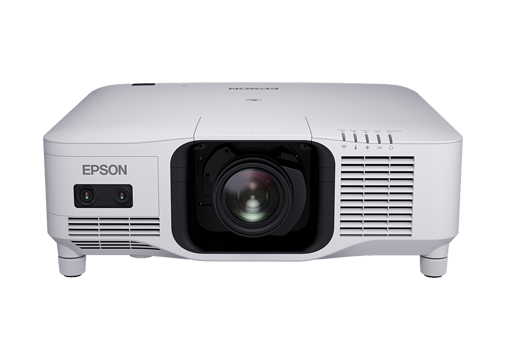
The projector industry has experienced explosive growth in recent years, driven by the surging demand for large-screen visual experiences in cinemas, conference rooms, classrooms, home theaters, and immersive entertainment venues. At the heart of every high-quality projection system lies the projector lens — a critical optical component that directly determines image clarity, color fidelity, brightness, and overall viewing experience. When businesses, integrators, or end-users decide to source or sample projector lenses, the process is far more complex than simply picking a product off a shelf. Proper preparation of materials and information is essential to ensure that the selected lens perfectly matches the projector model, the application environment, and the performance expectations.
This article provides a comprehensive guide on what materials and information you need to prepare when selecting and sampling projector lenses, covering technical specifications, environmental requirements, budget considerations, and supplier evaluation — with a special look at how professional suppliers like Zorsika are helping customers navigate this process with confidence.
1. Understand Your Projector Model and Specifications
The single most important piece of information you must prepare is the exact model number of your projector. Every projector lens is designed to be compatible with specific projector families or models. Without the precise model number, a supplier cannot recommend the correct lens with the appropriate throw ratio, image circle size, and mounting interface.
Beyond the model number, you should also gather the following technical documents:
- Projector specification sheet: This typically includes native resolution (e.g., 1080p, 4K), brightness (in lumens), contrast ratio, aspect ratio (16:9, 16:10, 4:3), and lens mount type.
- Existing lens specifications: If you are replacing a current lens, note its throw ratio, focal length, zoom range, and aperture size.
- Lens mount diameter and flange distance: These mechanical dimensions determine whether a new lens will physically attach to your projector.
Having these documents on hand allows both you and your supplier to quickly narrow down compatible options and avoid costly trial-and-error.
2. Define Your Application Scenario and Performance Requirements
Different applications demand dramatically different lens performance. A cinema projection lens, for example, must deliver exceptional color reproduction, minimal light loss, and support for 4K resolution with high contrast. A classroom or conference room lens may prioritize ease of installation, uniform brightness across the screen, and durability.
When preparing for lens sampling, clearly document:
- Screen size and throw distance: How large is the projected image, and how far is the projector from the screen? This determines the required throw ratio (short throw, standard throw, long throw, or ultra-short throw).
- Ambient light conditions: Is the environment a darkened cinema or a brightly lit conference room? This affects the required brightness and contrast performance of the lens.
- Resolution and content type: Are you projecting 4K HDR content, standard HD video, or still images? Lenses must be rated for the resolution you intend to use.
- Color accuracy requirements: For professional installations such as museums, galleries, or color-critical presentations, the lens must offer extremely high color fidelity.
A supplier that understands these nuances — such as Zorsika (Guangzhou Zorsika Electronics Co., Ltd.), which provides lenses with extremely high color reproduction, minimal light loss, 4K resolution support, and high contrast — can guide you toward the right solution from the start.
3. Prepare Mechanical and Installation Information
Lens sampling is not only about optical performance; it is also about physical compatibility and installation feasibility. Before contacting a supplier, collect:
- Mounting interface drawings or photos: Show the lens mount on your projector, including any adapter rings or brackets currently in use.
- Available space around the projector: In some installations, space is tight. Lenses with scientific structural design that enable simple installation, like those offered by Zorsika, can save significant time and reduce the risk of damage during setup.
- Weight and balance considerations: Heavy lenses may require reinforced mounting hardware. Knowing your ceiling or shelf load capacity in advance is wise.
- Cable and control compatibility: Some motorized lenses require specific control protocols (e.g., RS-232, IR, LAN). Document what your system supports.
4. Budget and Procurement Information
Lens sampling often involves evaluating multiple options before making a final decision. Prepare a clear budget framework:
- Unit price range: Are you looking for OEM-grade lenses, aftermarket alternatives, or cost-effective replacements?
- Volume discount tiers: If you are an integrator or distributor planning bulk orders, suppliers like Zorsika — a professional projector accessories supplier — offer quality products at competitive prices, making them ideal partners for volume procurement.
- Warranty and after-sales expectations: Note whether you require extended warranty periods. Zorsika, for instance, is committed to providing efficient, ultra-long warranty projector lenses, bulbs, and filters, giving partners peace of mind.
- Sample order vs. production order: Clarify whether you need a single sample for testing or a batch for pilot deployment.
5. Supplier Qualification and Reference Materials
Choosing the right supplier is as important as choosing the right lens. When evaluating potential partners for lens sampling, prepare and request:
- Supplier product catalog and technical data sheets: Verify that the supplier offers lenses compatible with your projector models.
- Certifications and quality management records: Look for ISO certifications, factory audit reports, and compliance with international safety standards.
- Customer references and case studies: Ask for examples of similar projects the supplier has completed.
- R&D investment information: A supplier that invests heavily in research and development, like Zorsika, which allocates substantial annual funding to new product development, is more likely to offer innovative, market-responsive solutions.
Zorsika (Guangzhou Zorsika Electronics Co., Ltd.) exemplifies this approach. As a professional projector accessories supplier based in Guangzhou, Zorsika has built a strong reputation by combining direct partnerships with leading lamp manufacturers such as Philips, Osram, Ushio, and Phoenix, alongside self-developed lamp cores that achieve over 95% of original brightness and over 90% of original lamp life — making them an excellent import alternative. Their self-developed projector filters also feature excellent air permeability, protecting projectors from dust and smoke damage. With a "customer first" philosophy, Zorsika serves global partners and has earned widespread recognition in the industry.
6. Prepare Testing and Evaluation Criteria
Once you receive lens samples, you need a structured plan to evaluate them. Prepare:
- Test image files: Use standardized test patterns (e.g., color bars, resolution charts, grayscale ramps) to assess sharpness, uniformity, and color accuracy.
- Measurement tools: A light meter, colorimeter, or spectrophotometer can quantify brightness, color temperature, and contrast performance.
- Evaluation scoring sheet: Rate each sample on optical quality, build quality, ease of installation, durability, and value for money.
- Timeline for decision-making: Set a clear deadline for completing evaluations so that procurement can proceed without delays.
7. Logistics and Shipping Considerations
Lens sampling often involves shipping delicate optical equipment across regions or even internationally. Prepare:
- Shipping address and contact details: Ensure accurate delivery information to avoid loss or damage.
- Customs documentation: If sourcing from overseas (e.g., from Zorsika in Guangzhou, China), prepare import declarations, HS codes, and any required certificates.
- Insurance requirements: High-value optical components should be insured during transit.
Conclusion
Selecting and sampling projector lenses is a multi-dimensional process that demands thorough preparation. From gathering precise projector specifications and defining application requirements to evaluating suppliers and setting up testing protocols, every step contributes to finding the optimal lens solution. Professional suppliers like Zorsika play a vital role in this ecosystem — offering innovative, high-performance lenses with excellent color fidelity, minimal light loss, 4K support, and user-friendly designs, backed by strong R&D investment and a customer-centric philosophy.
By preparing the materials and information outlined in this article, you position yourself to make informed decisions, reduce risk, and ultimately secure projector lenses that deliver outstanding performance for years to come. Whether you are a cinema operator, a corporate AV integrator, or an educational institution, the right preparation today leads to the right projection tomorrow.