
At a glance
- Understanding the ODM Model and Why It Matters
- Step One: Define Your Project Requirements with Precision
- Step Two: Research and Vet Potential ODM Partners Thoroughly
- Step Three: Conduct Market Analysis and Competitive Benchmarking
- Step Four: Establish a Realistic Budget and Timeline
- Step Five: Prototype, Test, and Iterate
- Step Six: Finalize Legal and Intellectual Property Agreements
- Conclusion
The projector industry has undergone tremendous transformation in recent years, driven by the relentless pursuit of higher resolution, brighter output, and more immersive visual experiences. From corporate boardrooms and educational institutions to large-scale entertainment venues and home theaters, projectors have become indispensable tools for delivering stunning visual content. At the heart of every high-performance projector system lies a critical component — the projector lens.
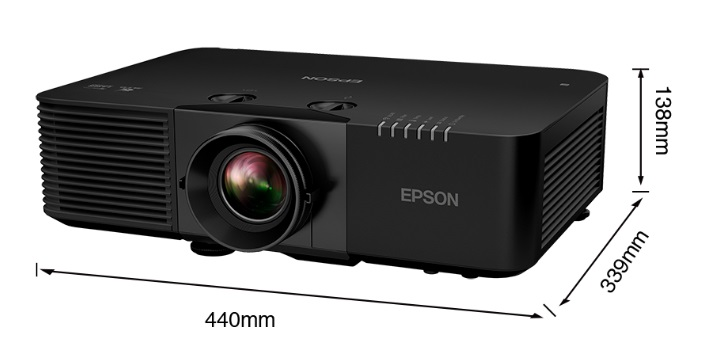
The projector industry has undergone tremendous transformation in recent years, driven by the relentless pursuit of higher resolution, brighter output, and more immersive visual experiences. From corporate boardrooms and educational institutions to large-scale entertainment venues and home theaters, projectors have become indispensable tools for delivering stunning visual content. At the heart of every high-performance projector system lies a critical component — the projector lens. For brands, distributors, and system integrators looking to differentiate themselves in a crowded market, Original Design Manufacturer (ODM) projector lens customization has emerged as a powerful strategy. However, the journey from concept to a finished, market-ready custom lens is far from simple. It demands meticulous planning, thorough research, and a clear understanding of what lies ahead. This article provides a comprehensive guide to the essential preparatory work that must be undertaken before committing to ODM projector lens customization, helping businesses navigate the process with confidence and precision.
Understanding the ODM Model and Why It Matters
Before diving into the specifics of preparation, it is important to understand what ODM means in the context of projector lenses. Unlike Original Equipment Manufacturer (OEM) arrangements where a company designs and manufactures a product that another brand simply puts its name on, ODM involves a manufacturer that both designs and produces a product based on a client's specifications or collaborative input. In the projector lens industry, ODM partnerships allow brands to offer lenses tailored to their exact performance requirements, physical dimensions, optical characteristics, and target price points — without having to build an entire optical R&D division from scratch.
The significance of ODM customization cannot be overstated. In an era where 4K, 8K, and even laser-based projection technologies are redefining image quality standards, off-the-shelf lenses often fall short of meeting the unique demands of specific applications. Whether it is an ultra-short-throw lens for a compact classroom projector, a high-brightness lens for a large venue installation, or a specialized lens for a niche industrial application, ODM customization enables businesses to deliver exactly what their customers need. The key, however, is preparation. Rushing into an ODM agreement without adequate groundwork can lead to costly delays, quality issues, and ultimately, a product that fails to meet market expectations.
Step One: Define Your Project Requirements with Precision
The foundation of any successful ODM projector lens project is a crystal-clear definition of requirements. This is not a vague wish list — it is a detailed technical brief that will serve as the blueprint for everything that follows. Businesses must begin by answering fundamental questions: What is the intended application of the projector system? What resolution must the lens support — 1080p, 4K, or beyond? What throw ratio is required? What is the desired brightness output and contrast level? What physical constraints exist in terms of lens diameter, length, and mounting interface?
These specifications must be quantified wherever possible. For example, stating that a lens "should be bright" is insufficient. Instead, one should specify that the lens must maintain at least 95% light transmission efficiency, support 4K resolution with high contrast, and deliver exceptional color reproduction across the full visible spectrum. The importance of such precision cannot be overstated — it directly impacts the optical design, the selection of glass elements, the coating technologies applied, and the overall manufacturing process. Companies like Zorsika (Guangzhou Zorsika Electronic Co., Ltd.) exemplify this approach. Zorsika, a professional projector accessories supplier based in Guangzhou, China, has built its reputation on delivering OEM and ODM projector lenses that feature extremely high color reproduction, extremely low light loss, 4K resolution support, and high contrast — all achieved through continuous innovation driven by real market application needs. Their lenses are also designed with a scientific structure that ensures easy installation, a detail that reflects the kind of thoughtful engineering that only comes from deeply understanding customer requirements.
Step Two: Research and Vet Potential ODM Partners Thoroughly
Selecting the right ODM partner is arguably the most critical decision in the entire customization process. The wrong partner can compromise quality, delay timelines, and damage brand reputation. Therefore, businesses must conduct exhaustive due diligence before signing any agreement.
Key evaluation criteria should include:
Technical Capability: Does the manufacturer have proven expertise in optical design and precision manufacturing? Can they demonstrate a track record of producing lenses that meet or exceed industry standards? Look for partners who invest heavily in R&D — companies that allocate significant annual funding to new product development are more likely to stay at the forefront of optical innovation. Zorsika, for instance, invests substantial funds each year into the research and development of new products, ensuring they can meet an ever-expanding range of market demands. This commitment to innovation is a hallmark of a reliable ODM partner.
Quality Assurance: What quality control systems are in place? Are there certifications such as ISO 9001? Can the manufacturer provide sample units for testing before mass production begins? A reputable ODM partner should offer comprehensive warranty terms — Zorsika, for example, is known for providing efficient, ultra-long warranty periods on its projector lenses, lamps, and filters, reflecting their confidence in product durability and performance.
Comprehensive Product Range: While the focus may be on lenses, a well-rounded ODM partner who can also supply complementary components such as projector lamps and filters adds tremendous value. Zorsika not only manufactures high-quality custom lenses but also produces projector lamps — with brightness reaching over 95% of original factory lamps and lifespan exceeding 90% — through direct partnerships with leading bulb manufacturers like Philips, Osram, Ushio, and Phoenix, as well as through self-developed lamp cores. Their self-developed filters, designed for a wide range of market-circulating projectors, feature excellent air permeability and effectively protect projectors from dust and smoke. This integrated approach means that businesses working with Zorsika can source a complete suite of projector accessories from a single, trusted source.
Customer Philosophy: Does the manufacturer genuinely prioritize customer satisfaction? Zorsika operates under a "customer first" philosophy, having served numerous global partners over the years and earning widespread recognition — a testament to their dedication to service excellence.
Step Three: Conduct Market Analysis and Competitive Benchmarking
Before finalizing any ODM lens specifications, businesses must understand the competitive landscape. What lenses are competitors offering? What price points are prevailing? What features are customers in the target segment demanding? This market intelligence is essential for two reasons: first, it helps ensure that the custom lens will be competitive in terms of performance and pricing; second, it identifies gaps in the market that the custom product can exploit.
Conducting a thorough competitive analysis involves studying existing products, reading user reviews, attending industry trade shows, and consulting with end users. It also means understanding global trends — such as the shift toward laser and LED light sources, the growing demand for compact form factors, and the increasing importance of HDR compatibility. Armed with this knowledge, businesses can work with their ODM partner to design a lens that is not just adequate, but genuinely differentiated.
Step Four: Establish a Realistic Budget and Timeline
Customization is inherently more expensive and time-consuming than purchasing standard, off-the-shelf components. Businesses must therefore establish a realistic budget that accounts for tooling costs, prototype development, testing, certification, and initial production runs. Equally important is setting a realistic timeline. Optical design alone can take weeks or months, followed by prototyping, testing, refinement, and eventually mass production. A typical ODM projector lens project can take anywhere from three to twelve months from initial specification to first shipment, depending on complexity.
It is advisable to build contingency into both the budget and the schedule. Unexpected design revisions, supply chain disruptions, or quality adjustments can all extend timelines. Working with a partner like Zorsika, which offers cost-effective yet high-quality solutions, can help manage costs without sacrificing performance — a crucial consideration for businesses seeking to maximize value.
Step Five: Prototype, Test, and Iterate
No ODM project should proceed to mass production without thorough prototyping and testing. The prototype phase is where theoretical specifications are translated into physical reality, and where potential issues are identified and resolved. Businesses should insist on receiving multiple prototype samples for rigorous testing — optical performance tests, environmental durability tests, compatibility tests with target projector bodies, and real-world user trials.
This iterative process — design, prototype, test, refine, repeat — is the hallmark of responsible ODM manufacturing. It is also where the value of a technically proficient partner becomes most apparent. A manufacturer with strong in-house R&D capabilities, like Zorsika, can accelerate this cycle through rapid prototyping and responsive engineering support, reducing time-to-market while maintaining quality.
Step Six: Finalize Legal and Intellectual Property Agreements
Finally, before production begins, all legal matters must be addressed. This includes intellectual property ownership (who owns the lens design?), non-disclosure agreements, quality liability clauses, warranty terms, and intellectual property protection for any proprietary technologies developed during the project. These agreements protect both parties and provide a clear framework for resolving any disputes that may arise.
Conclusion
ODM projector lens customization is a strategic investment that can propel a brand to new heights — but only if the groundwork is laid properly. From defining precise technical requirements to vetting the right manufacturing partner, from understanding the competitive landscape to budgeting realistically and protecting intellectual property, every step in the preparatory process matters. Companies like Zorsika (Guangzhou Zorsika Electronic Co., Ltd.) stand as exemplars of what a capable ODM partner should be: technically innovative, quality-driven, customer-focused, and backed by years of industry experience and global recognition. By following the preparation guidelines outlined in this article and partnering with manufacturers who share a commitment to excellence, businesses can confidently embark on the journey of projector lens customization — and emerge with a product that truly stands out in the market.