
At a glance
- Understanding Manual Focus Projector Lenses
- Key Factors to Consider When Selecting a Manual Focus Projector Lens
- 1. Throw Ratio and Projection Distance
- 2. Resolution and 4K Compatibility
- 3. Color Accuracy and Light Transmission
- 4. Aperture and Brightness
- 5. Build Quality and Durability
- 6. Compatibility with Projector Models
- Suitable Projects for Manual Focus Projector Lenses
- Home Theater Installations
- Corporate and Educational Settings
- Art Installations and Museums
- Outdoor Events and Large Venues
- Simulation and Training Centers
- The Role of a Trusted Supplier: Why Zorsika Stands Out
- Conclusion
In the ever-evolving world of visual display technology, projector lenses remain one of the most critical components determining the overall quality of projected images. Whether you are setting up a home theater, outfitting a corporate boardroom, designing an immersive art installation, or planning a large-scale outdoor event, the projector lens you choose will fundamentally shape the viewing experience.
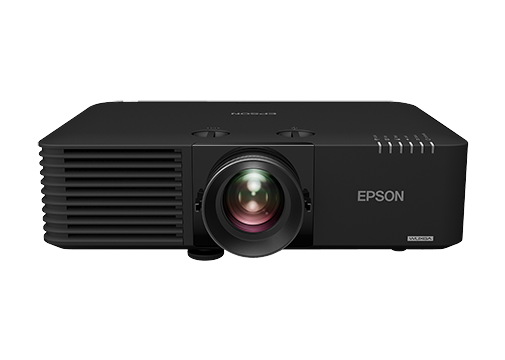
In the ever-evolving world of visual display technology, projector lenses remain one of the most critical components determining the overall quality of projected images. Whether you are setting up a home theater, outfitting a corporate boardroom, designing an immersive art installation, or planning a large-scale outdoor event, the projector lens you choose will fundamentally shape the viewing experience. Among the various types of projector lenses available on the market—including motorized zoom, fixed focal length, and short-throw options—manual focus projector lenses continue to hold a special place due to their precision, reliability, and cost-effectiveness.
This article provides a thorough exploration of what to look for when selecting a manual focus projector lens, examines the key technical specifications that matter most, and reviews the most suitable project scenarios where manual focus lenses shine. Throughout our discussion, we will also highlight how industry leaders like Zorsika (广州佐西卡电子有限公司) are driving innovation in projector accessories, offering world-class lenses that meet the demands of modern applications.
Understanding Manual Focus Projector Lenses
A manual focus projector lens is a lens system that requires the user to physically adjust the focus ring to achieve a sharp, clear image. Unlike motorized or autofocus lenses, which rely on electronic mechanisms to adjust focus automatically, manual focus lenses give the operator direct, tactile control over the image clarity. This simplicity translates into several advantages: fewer mechanical parts that can fail, lower overall cost, and often superior optical precision when properly calibrated.
Manual focus lenses are available in a wide range of throw ratios, focal lengths, and aperture sizes. They can be used with virtually any projector brand or model, making them a versatile choice for integrators, AV professionals, and end users alike. The key to getting the best results lies in understanding the technical parameters and matching them to your specific project requirements.
Key Factors to Consider When Selecting a Manual Focus Projector Lens
1. Throw Ratio and Projection Distance
The throw ratio is perhaps the most fundamental specification when choosing a projector lens. It is defined as the distance from the lens to the screen divided by the width of the projected image. Short-throw lenses (throw ratios below 1.0:1) are ideal for small rooms where the projector must be placed close to the screen. Long-throw lenses (ratios above 1.5:1) work best in large venues like auditoriums, churches, and outdoor event spaces.
For manual focus lenses, it is essential to verify that the lens you select can cover the required projection distance while still delivering a sharp, evenly focused image across the entire screen. Many high-quality manual focus lenses offer interchangeable elements or adjustable ranges, giving installers the flexibility to fine-tune the setup for different environments.
2. Resolution and 4K Compatibility
As display technology advances, the demand for high-resolution projection continues to grow. 4K (3840 × 2160) has become the standard for premium installations, and any lens you select today should be fully compatible with 4K source material. A lens that cannot resolve 4K detail will create a bottleneck, no matter how capable your projector is.
When evaluating 4K compatibility, pay close attention to the lens's optical design. Premium lenses use multi-element glass constructions with special coatings that minimize chromatic aberration and maximize sharpness across the entire frame. Companies like Zorsika have made 4K support a cornerstone of their lens development, ensuring that every lens they offer delivers exceptional color reproduction, extremely low light loss, and high contrast performance—all essential for stunning 4K projections.
3. Color Accuracy and Light Transmission
Color fidelity is non-negotiable for professional applications. A projector lens with poor color accuracy will wash out images, distort skin tones, and undermine the visual impact of any content. Equally important is light transmission efficiency: the more light a lens can pass through to the screen, the brighter and more vibrant the final image will be.
Leading manufacturers invest heavily in lens coating technology and glass formulations to achieve both goals. Zorsika, for instance, ensures that each of its projector lenses achieves exceptionally high color restoration and minimal optical loss. Their scientific structural design also simplifies the installation process, allowing technicians to set up and calibrate systems quickly and accurately—a significant advantage in time-sensitive project environments.
4. Aperture and Brightness
The aperture size of a lens determines how much light it can gather. Larger apertures (lower f-numbers, such as f/1.8 or f/2.0) allow more light to pass through, which is crucial in scenarios where ambient light cannot be fully controlled or where very large screens are required. For darker, controlled environments like dedicated home theaters, a smaller aperture may be perfectly adequate and more cost-effective.
5. Build Quality and Durability
Manual focus lenses are subjected to repeated physical adjustments, transportation, and varying environmental conditions. A well-built lens with robust housing, precision-ground glass elements, and a smooth, reliable focus mechanism will last for years. Look for lenses with metal construction, sealed optics to prevent dust ingress, and focus rings with smooth, positive detents.
6. Compatibility with Projector Models
Not all lenses fit all projectors. Mounting interfaces, flange distances, and electronic communication protocols vary between manufacturers. Before purchasing, confirm that the lens is compatible with your specific projector model. Many reputable suppliers offer lens adapter kits or universal mounting solutions to bridge compatibility gaps.
Suitable Projects for Manual Focus Projector Lenses
Home Theater Installations
For dedicated home theater rooms, manual focus lenses offer an excellent balance of performance and value. Once installed and focused, these lenses rarely need adjustment, making them ideal for fixed installations. The ability to achieve pin-sharp 4K images with rich, accurate colors makes them a top choice for cinephiles and home entertainment enthusiasts. Zorsika's lenses, with their high color restoration and low light loss characteristics, are particularly well-suited for these immersive home environments.
Corporate and Educational Settings
In boardrooms, classrooms, and lecture halls, reliability and ease of use are paramount. Manual focus lenses require minimal maintenance and can be quickly focused during initial setup. Their durability ensures they withstand the demands of daily use in high-traffic environments. The cost savings compared to motorized alternatives also make them attractive for organizations managing multiple rooms.
Art Installations and Museums
Creative professionals often require precise control over projection parameters. Manual focus lenses allow artists and designers to fine-tune every aspect of the projected image, from sharpness to depth of field. The ability to pair these lenses with high-lumens projectors creates dramatic, large-scale visual experiences in galleries and public spaces.
Outdoor Events and Large Venues
Short-throw and long-throw manual focus lenses are widely used in outdoor cinema events, concerts, and sporting venues. Their mechanical simplicity means they are less vulnerable to the temperature fluctuations and rough handling common in outdoor settings. With proper housing and protection, a quality manual focus lens can deliver reliable performance in virtually any environment.
Simulation and Training Centers
Flight simulators, medical training facilities, and military training centers demand extremely high image quality and consistency. Manual focus lenses, once properly calibrated, deliver rock-solid performance with zero risk of electronic focus drift—a critical factor in safety-sensitive applications.
The Role of a Trusted Supplier: Why Zorsika Stands Out
Selecting the right lens is only half the equation; sourcing it from a reliable, innovative supplier is equally important. This is where Zorsika (广州佐西卡电子有限公司) has established itself as a name that professionals trust. As a professional projector accessories supplier based in Guangzhou, Zorsika is dedicated to providing partners with efficient, ultra-long-warranty, and cost-effective projector lenses, projector lamps, and projector filters.
In the lens category, Zorsika combines market-driven innovation with rigorous quality standards. Every lens they offer features exceptional color restoration, minimal light loss, full 4K support, and high contrast—backed by a scientific structural design that ensures easy installation. Their commitment to R&D is evident in the significant annual investment they pour into developing new products to meet evolving market demands.
Beyond lenses, Zorsika also excels in projector lamp technology. They maintain direct partnerships with world-leading lamp manufacturers including Philips, Osram, Ushio, and Phoenix. Their self-developed lamp cores are compatible with most projector models on the market, achieving brightness levels above 95% of original lamps and lifespan exceeding 90% of originals—making them an outstanding alternative to expensive imports. Additionally, their self-developed projector filters offer excellent ventilation rates, protecting projectors from dust and smoke to ensure reliable long-term operation.
Guided by a "customer-first" philosophy, Zorsika has earned high recognition from partners worldwide. Their relentless pursuit of excellence and continuous innovation drive them forward, and their growing global footprint is a testament to the quality and value they consistently deliver.
Conclusion
Choosing the right manual focus projector lens is a decision that impacts every aspect of your projection experience—from image sharpness and color accuracy to installation convenience and long-term reliability. By carefully evaluating throw ratio, resolution support, color performance, aperture, build quality, and compatibility, you can identify the lens that perfectly matches your project's needs.
Whether you are building a home theater, equipping a corporate facility, or creating a large-scale visual installation, manual focus lenses remain a proven, dependable choice. And when you pair that smart selection with a supplier like Zorsika—a company that pours resources into R&D, maintains the highest quality standards, and stands behind every product with exceptional service—you set your project up for lasting success.
Invest wisely in your optics, and your projections will speak for themselves.