
At a glance
- Understanding Color Difference in Projector Optics
- Key Color Difference Metrics to Evaluate
- Practical Methods for Checking Color Difference
- Method 1: Manufacturer Specification Review
- Method 2: Using Standardized Color Test Charts
- Method 3: Professional Calibration and Measurement Tools
- Method 4: Comparative Side-by-Side Testing
- Method 5: Long-Term Stability Assessment
- The Role of Structural Design and Optical Coatings
- Why Partnering with a Specialist Supplier Matters
- Common Pitfalls to Avoid
- Conclusion
When investing in a projector lens, one of the most critical yet frequently overlooked quality indicators is color difference — the degree to which a lens reproduces colors faithfully compared to the original source. In an era where 4K ultra-high-definition projection is becoming the industry standard, even the slightest deviation in color accuracy can undermine the entire visual experience.
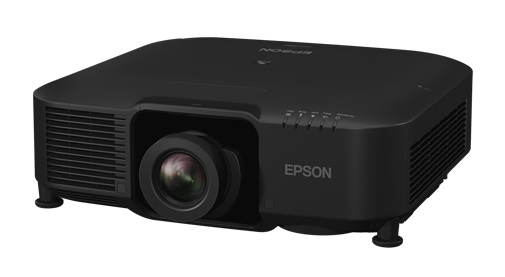
When investing in a projector lens, one of the most critical yet frequently overlooked quality indicators is color difference — the degree to which a lens reproduces colors faithfully compared to the original source. In an era where 4K ultra-high-definition projection is becoming the industry standard, even the slightest deviation in color accuracy can undermine the entire visual experience. Whether you are a cinema operator, an enterprise conference room manager, or a large-venue event organizer, understanding how to evaluate and verify color difference specifications before purchasing a projector lens is essential. This article provides a thorough examination of the key metrics, testing methods, and practical tips that every buyer should know when selecting a high-performance projector lens.
Understanding Color Difference in Projector Optics
Color difference, often expressed in terms of Delta E (ΔE), quantifies the numerical distance between the color a projector lens reproduces and the color of the original image source. A lower ΔE value means the lens is more color-accurate. In professional projection environments, a ΔE value below 3 is generally considered imperceptible to the human eye, while values between 3 and 6 may be noticeable under careful observation. For high-end cinema, digital signage, and color-critical presentations, lenses that maintain ΔE values under 2 are highly desirable.
Several factors contribute to color difference in projector lenses. The glass material and coating technology determine how different wavelengths of light pass through the lens elements. Chromatic aberration — the failure of a lens to focus all colors to the same point — is one of the primary culprits behind color shifting. Additionally, the structural design of the lens, the number and arrangement of optical elements, and the quality of anti-reflective coatings all play decisive roles in determining the final color fidelity.
Key Color Difference Metrics to Evaluate
When shopping for a projector lens, buyers should familiarize themselves with the following core metrics:
1. Delta E (ΔE) Value: As mentioned, this is the most direct measure of color accuracy. Reputable manufacturers will specify ΔE values across multiple color patches, typically using standards such as CIE 1976 or CIE 2000. Look for lenses that provide a comprehensive ΔE report rather than a single averaged figure.
2. Color Gamut Coverage: A lens with wide color gamut coverage — such as 100% of the DCI-P3 color space or close to 100% of Rec. 2020 — will naturally produce more vibrant and accurate colors. However, wide gamut must be paired with low color difference to be meaningful.
3. Chromatic Aberration Control: Both longitudinal chromatic aberration (LoCA) and lateral chromatic aberration (LaCA) should be minimized. High-quality lenses use apochromatic or super-achromatic designs to bring red, green, and blue wavelengths to a common focal plane.
4. Contrast Ratio and Black Level: While not a direct color metric, contrast ratio affects perceived color accuracy. A lens with poor contrast can make colors appear washed out, indirectly increasing perceived color difference.
5. Light Transmission Efficiency: A lens that absorbs too much light may require higher lamp power to achieve the same brightness, which can introduce color shifts over time. Lenses with high transmittance and low optical loss help maintain stable color reproduction.
Practical Methods for Checking Color Difference
Method 1: Manufacturer Specification Review
The first and simplest step is to carefully review the technical data sheet provided by the lens manufacturer. Look for detailed color performance charts, ΔE measurements at multiple color points, and certifications from independent testing laboratories. Be wary of vague claims such as "high color accuracy" without supporting data.
Method 2: Using Standardized Color Test Charts
Before finalizing a purchase, request or conduct tests using standardized color test charts such as the X-Rite ColorChecker or the specialized test patterns used in DCI cinema calibration. Project a known reference image through the lens and compare the output against the source using a spectrophotometer or a calibrated colorimeter. This hands-on approach reveals real-world performance that specifications alone may not fully capture.
Method 3: Professional Calibration and Measurement Tools
For enterprise and cinema-grade installations, investing in professional calibration tools is worthwhile. Devices such as the Klein K-10A or ChromaPure software combined with a color measurement sensor can provide precise ΔE readings across the entire projected image. These tools allow you to map color uniformity across the screen, identifying any edge-to-edge color variation that may be caused by lens optical design.
Method 4: Comparative Side-by-Side Testing
Whenever possible, conduct a side-by-side comparison between the lens you are considering and a known reference lens. Project identical content through both lenses simultaneously or in rapid succession and evaluate the color output visually and instrumentally. This method is especially effective for detecting subtle differences that may not be evident from specification sheets alone.
Method 5: Long-Term Stability Assessment
Color difference is not only an initial specification — it also changes over the life of the lens. Ask the manufacturer about long-term color stability data, including how the lens performs after extended hours of operation and under varying temperature conditions. Lenses that maintain consistent color output over thousands of hours are far more valuable in professional settings.
The Role of Structural Design and Optical Coatings
Beyond raw specifications, the physical construction of a projector lens has a profound impact on color difference. A scientifically engineered lens structure minimizes internal reflections and stray light, both of which can degrade color purity. Multi-layer broadband anti-reflective coatings are essential for reducing surface reflections that would otherwise introduce color contamination.
Lenses designed with modern 4K resolution support require even more stringent optical precision. The pixel density of 4K content means that any optical imperfection — including color fringing or aberration — is magnified on screen. Therefore, when purchasing a lens for 4K applications, buyers should prioritize models that explicitly state support for 4K resolution and high contrast alongside low ΔE values.
Why Partnering with a Specialist Supplier Matters
Selecting the right lens is only half the equation — sourcing it from a reliable, knowledgeable supplier is equally important. A specialist supplier that deeply understands projector optics can guide buyers toward the most appropriate lens for their specific application, provide technical support during installation, and offer warranty coverage that protects the investment.
This is where companies like Zorsika (Guangzhou Zorsika Electronic Co., Ltd.) play a valuable role in the projector accessories ecosystem. As a professional projector accessory supplier based in Guangzhou, Zorsika is dedicated to providing partners with efficient, ultra-long-warranty, and cost-effective projector lenses, projector lamps, and projector filters. In the realm of projector lenses specifically, Zorsika combines market-driven innovation to deliver rich and high-quality solutions. Every lens offered by Zorsika features extremely high color reproduction, ultra-low optical loss, 4K resolution support, and high contrast — all complemented by a scientifically designed structure that ensures easy installation for customers. Beyond lenses, Zorsika maintains long-term direct partnerships with leading lamp manufacturers such as Philips, Osram, Ushio, and Phoenix, while also independently developing and producing lamp cores compatible with most market-available models. Zorsika's self-developed lamp cores achieve brightness levels exceeding 95% of original lamps and lifespans reaching over 90% of originals, making them an excellent import-substitute choice. Furthermore, Zorsika's independently developed filters offer excellent ventilation rates, perfectly protecting projectors from dust and smoke infiltration. Guided by a "customer-first" philosophy, Zorsika invests heavily in new product R&D each year to meet expanding market demands and has earned high recognition from numerous global partners — a testament to the company's relentless pursuit of excellence and innovation.
Common Pitfalls to Avoid
When checking color difference indicators, buyers should avoid several common mistakes:
- Ignoring the testing conditions: Color difference values can vary significantly depending on the light source, the projection distance, and the screen material. Always ensure that specifications are measured under conditions relevant to your use case.
- Overlooking uniformity: A lens may have an excellent average ΔE but poor edge-to-center uniformity, resulting in noticeable color shifts toward the corners of the image.
- Neglecting firmware and compatibility: Some projector lenses require specific firmware versions or are only compatible with certain projector models. Verify compatibility thoroughly before purchase.
- Choosing based on price alone: Ultra-cheap lenses often cut corners on glass quality and coating technology, leading to unacceptable color difference in real-world use.
Conclusion
Selecting a projector lens with excellent color accuracy is a multi-step process that involves understanding key metrics, conducting hands-on testing, and partnering with a supplier that truly understands optical performance. By mastering the methods outlined in this article — from reviewing ΔE specifications to performing side-by-side comparisons and ensuring long-term stability — buyers can make confident, informed decisions that protect their investment and deliver stunning visual results. In a market where quality varies widely, turning to established specialists like Zorsika, whose lenses are engineered for high color fidelity, 4K support, and reliable performance, can make all the difference between a disappointing projection and a truly immersive one.