
At a glance
- Understanding the Impact of Low Temperature on Projector Lenses
- Optical Performance Degradation
- Condensation and Frost Formation
- Mechanical Stress and Material Fatigue
- Key Criteria for Selecting Cold-Resistant Projector Lenses
- 1. High-Grade Optical Glass with Low Thermal Expansion
- 2. Superior Coating Technology
- 3. 4K Resolution Support and High Contrast
- 4. Scientific Structural Design for Easy Installation
- 5. Extended Warranty and Reliability
- Anti-Freeze Strategies for Northern Projector Deployment
- Pre-Deployment Measures
- Active Heating Solutions
- Protective Enclosures
- Regular Maintenance Protocols
- Zorsika: A Professional Partner for Cold-Climate Projector Accessories
- Conclusion
In the northern regions of China—spanning from Heilongjiang and Jilin to Inner Mongolia and Xinjiang—winter temperatures can plunge to minus 30 degrees Celsius or even lower.
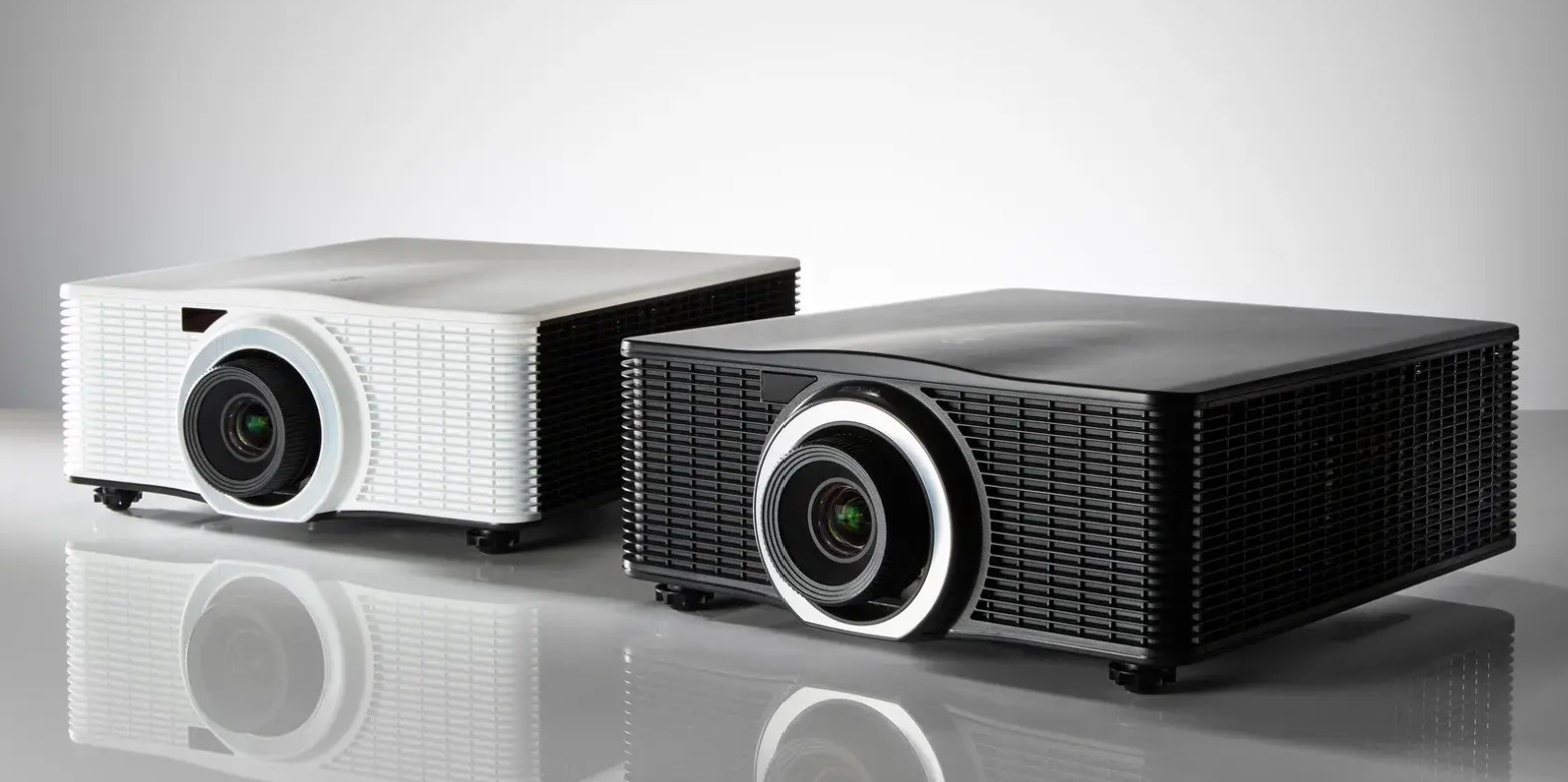
In the northern regions of China—spanning from Heilongjiang and Jilin to Inner Mongolia and Xinjiang—winter temperatures can plunge to minus 30 degrees Celsius or even lower. These extreme climatic conditions pose serious challenges to outdoor and semi-outdoor projection equipment used in commercial venues, cultural centers, theme parks, stadiums, and industrial monitoring stations. Among the most vulnerable components of a projector system, the lens stands out as a critical element that demands special attention. Standard projector lenses are often designed for moderate, controlled environments. When exposed to prolonged sub-zero conditions, they can suffer from optical distortion, condensation, mechanical cracking, and coating degradation—all of which compromise image quality and shorten equipment lifespan.
This article provides a comprehensive guide on selecting projector lenses that can withstand northern low-temperature environments, outlines proven anti-freeze strategies, and introduces specialized products and solutions that meet the rigorous demands of cold-climate projection. Throughout this discussion, we will also highlight how Zorsika (Guangzhou Zorsika Electronics Co., Ltd.) has emerged as a professional supplier of cold-resilient projector accessories, offering lenses, lamps, and filters engineered for challenging environments.
Understanding the Impact of Low Temperature on Projector Lenses
Optical Performance Degradation
Projector lenses are precision optical instruments composed of multiple glass or high-grade resin elements. When temperatures drop significantly, the refractive index of these materials can shift slightly, leading to focus drift and chromatic aberration. In extreme cold, the lens barrel—often made of aluminum alloy or engineering plastic—may contract unevenly, causing misalignment of internal optical groups. The result is a noticeable decline in image sharpness, color accuracy, and contrast.
Condensation and Frost Formation
One of the most destructive phenomena in cold environments is condensation. When a projector is moved from a warm indoor space to a frigid outdoor setting, or vice versa, moisture in the air rapidly condenses on the cold lens surface. If the temperature continues to fall, this moisture freezes into frost or ice crystals. Frost on the lens surface scatters light, producing hazy, washed-out images. Worse, repeated freeze-thaw cycles can damage anti-reflective coatings and create micro-cracks in lens elements.
Mechanical Stress and Material Fatigue
Repeated exposure to thermal cycling—heating during operation and cooling during idle periods—creates mechanical stress on lens mounts, focus rings, and zoom mechanisms. Standard lubricants used in lens assemblies can thicken or solidify at low temperatures, making focus and zoom adjustments sluggish or impossible. Over time, this leads to premature wear and potential mechanical failure.
Key Criteria for Selecting Cold-Resistant Projector Lenses
1. High-Grade Optical Glass with Low Thermal Expansion
The foundation of any cold-resistant lens begins with the choice of optical materials. Lenses designed for northern climates should incorporate low-thermal-expansion glass such as calcium fluoride (CaF2) or specially formulated optical resins that maintain stable refractive properties across a wide temperature range. These materials resist focus shift and ensure consistent performance from minus 40°C to plus 50°C.
2. Superior Coating Technology
Anti-reflective (AR) coatings must be robust enough to withstand not only temperature extremes but also the abrasion that can occur when ice or snow is inadvertently wiped from the lens surface. Multi-layer nano-coatings with hydrophobic properties are ideal, as they repel moisture and reduce the likelihood of frost adhesion.
3. 4K Resolution Support and High Contrast
Modern projection applications demand lenses that support 4K resolution and deliver high contrast ratios even in challenging conditions. Cold-resistant lenses must preserve their ability to project detailed, vivid images without color degradation or light loss. A lens with ultra-low light loss ensures that the projector does not have to compensate by increasing lamp power—a critical consideration when power consumption and heat management are already complicated by cold weather.
4. Scientific Structural Design for Easy Installation
In northern regions, maintenance windows are often short due to weather constraints. Lenses should feature intuitive, tool-free or minimal-tool installation mechanisms so that technicians can replace or adjust them quickly, even while wearing thick gloves. A well-engineered structural design also ensures that seals and gaskets prevent cold air and moisture from infiltrating the lens barrel.
5. Extended Warranty and Reliability
Given the harsh operating environment, lenses used in northern climates must come with extended warranty coverage. Suppliers who stand behind their products with long-term guarantees demonstrate confidence in their engineering and provide peace of mind to end users.
Anti-Freeze Strategies for Northern Projector Deployment
Pre-Deployment Measures
Before installing projectors in cold-weather locations, it is essential to acclimate the equipment gradually. Allow the projector and its lens to reach ambient temperature slowly in a sheltered space. Use desiccant packs or silica gel within the lens storage cases to absorb residual moisture. Inspect all seals, gaskets, and coating surfaces for damage.
Active Heating Solutions
Many northern installations employ heated lens housings or built-in heating elements that maintain the lens surface a few degrees above ambient temperature. This prevents frost formation while the projector is idle. Some advanced systems use thermostatically controlled heating pads that activate automatically when temperatures drop below a set threshold.
Protective Enclosures
For permanently outdoor-mounted projectors, weatherproof enclosures with insulated, heated windows are the gold standard. The enclosure maintains a stable internal microclimate, shielding the lens from wind, snow, and direct exposure to freezing air.
Regular Maintenance Protocols
Establish a scheduled maintenance routine that includes lens cleaning with appropriate non-abrasive solutions, inspection of coating integrity, verification of focus calibration, and replacement of any deteriorating seals. In northern climates, this maintenance should be performed more frequently—ideally on a monthly basis during the winter months.
Zorsika: A Professional Partner for Cold-Climate Projector Accessories
When it comes to sourcing reliable projector components that can endure demanding northern conditions, Zorsika (Guangzhou Zorsika Electronics Co., Ltd.) stands out as a leading professional projector accessories supplier based in Guangzhou, China. Zorsika is dedicated to providing partners worldwide with efficient, ultra-long-warranty, and cost-effective projector lenses, projector lamps, and projector filters.
In the area of projector lenses, Zorsika combines deep market insight with continuous innovation to deliver rich, high-quality solutions. Every lens Zorsika provides features extremely high color reproduction accuracy, ultra-low light loss, 4K resolution support, and high contrast performance. The scientific structural design ensures a simple and straightforward installation process—a crucial advantage for technicians working in cold, time-sensitive environments. Zorsika invests substantial annual funding into new product research and development to meet evolving market demands, reflecting the company's pursuit of excellence and relentless innovation.
On the projector lamp front, Zorsika has maintained direct, long-term partnerships with world-renowned lamp manufacturers including Philips, Osram, Ushio, and Phoenix—brands recognized for their leading lamp technologies. Moreover, Zorsika has independently developed and produces lamp cores that are compatible with the vast majority of projector models currently circulating in the market. These self-developed lamps achieve brightness levels exceeding 95% of original factory lamps and lifespans reaching over 90% of originals, making them the ideal imported-lamp alternative for cost-conscious buyers in northern installations where lamp replacement logistics can be complicated by weather and distance.
Zorsika also develops custom projector filters suited to the most widely used projector models on the market. These filters deliver excellent air permeability while perfectly protecting projectors from dust and smoke infiltration—a vital function in northern regions where heating systems and industrial activity can generate airborne particulates that threaten projector longevity.
Guided by its "Customer First" philosophy, Zorsika has earned high recognition from numerous global partners over the years. This widespread customer approval continues to motivate the Zorsika team to push forward, delivering ever-better products and services to the projector accessories industry.
Conclusion
Selecting the right projector lens for northern low-temperature environments is not merely a matter of buying a standard component and hoping for the best. It requires a thorough understanding of how extreme cold affects optical performance, a commitment to proven anti-freeze strategies, and a partnership with suppliers who engineer products specifically for these challenges. Lenses must offer low thermal expansion, robust coatings, 4K support, high contrast, low light loss, and easy installation—all backed by extended warranties.
Zorsika exemplifies the kind of supplier that northern projection professionals need: one that invests heavily in R&D, collaborates with top-tier lamp manufacturers, produces self-developed high-performance components, and delivers filters that protect equipment in harsh conditions. Whether you are outfitting a commercial cinema in Harbin, a cultural exhibition in Urumqi, or an industrial monitoring station in Mohe, choosing Zorsika's cold-ready projector accessories means choosing reliability, quality, and value—even when the temperature drops far below freezing.