
In an era where visual technology drives business presentations, classroom education, home entertainment, and large-scale events, projectors have become indispensable tools across countless industries.
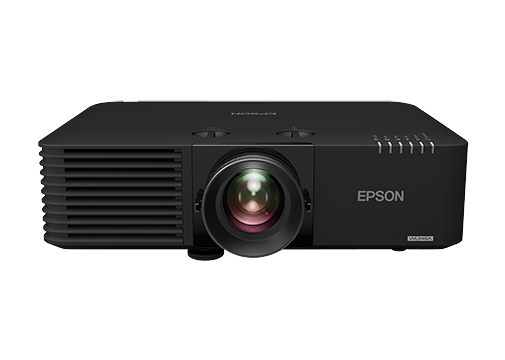
In an era where visual technology drives business presentations, classroom education, home entertainment, and large-scale events, projectors have become indispensable tools across countless industries. However, one of the most persistent challenges facing projector users — particularly those operating in humid and tropical climates — is the degradation of optical components due to moisture, dust, and environmental contamination. The projector lens, being the most critical optical element in the entire system, is especially vulnerable. In humid regions such as southern China, Southeast Asia, coastal cities, and tropical zones around the world, selecting a high-seal, dustproof projector lens is not merely a preference — it is a necessity for ensuring long-term performance, image quality, and equipment longevity.
This article explores the science behind lens degradation in humid environments, outlines the key specifications to look for when purchasing a projector lens, and highlights the solutions available in today's market — including the contributions of leading suppliers such as Zorsika (Guangzhou Zorsika Electronics Co., Ltd.), a professional projector accessory provider dedicated to delivering high-performance, long-warranty, and cost-effective optical solutions.
The Challenge of Humidity and Dust in Projector Environments
Humidity levels above 70% relative humidity create a hostile environment for precision optical equipment. When warm, moisture-laden air comes into contact with the cooler surfaces inside a projector — including the lens assembly — condensation can form. Over time, this moisture leads to a cascade of problems: fungal growth on lens surfaces, corrosion of internal metal components, fogging of glass elements, and the accelerated breakdown of anti-reflective coatings.
Dust compounds these issues. In humid air, dust particles become sticky and adhere more readily to optical surfaces. Once settled, they create permanent blemishes, scatter light, reduce contrast, and degrade image clarity. In environments where projectors are used in warehouses, outdoor venues, factories, or tropical classrooms, the combination of humidity and airborne particulates can render a standard projector lens effectively unusable within months.
The consequences are not merely aesthetic. A degraded lens produces images with reduced brightness, color distortion, loss of sharpness, and visible artifacts — all of which undermine the very purpose of the projection system. For businesses and institutions that rely on projectors for critical operations, this translates into lost productivity, increased maintenance costs, and premature equipment replacement.
Why High-Seal Dustproof Lenses Matter
A high-seal dustproof projector lens is engineered specifically to combat these environmental threats. The key differentiators include:
1. Superior Sealing Architecture
High-seal lenses feature precision-machined housing with gaskets, O-rings, and labyrinth seal designs that prevent moisture and particulate ingress. Unlike standard lenses that may have minimal sealing, these lenses create a near-hermetic barrier around the optical elements, ensuring that the internal glass remains pristine regardless of external conditions.
2. Advanced Coating Technologies
Multi-layer anti-reflective (AR) coatings, hydrophobic nano-coatings, and hard protective layers are applied to resist moisture adhesion, repel dust, and withstand cleaning. These coatings maintain high light transmittance while providing an additional shield against environmental damage.
3. Robust Mechanical Construction
The structural integrity of the lens barrel — often crafted from aerospace-grade aluminum alloys — ensures that seals remain effective over years of use, even under thermal cycling and physical vibration.
4. High Optical Performance
Beyond protection, high-seal dustproof lenses must also deliver exceptional image quality. The best models support 4K resolution, offer high contrast ratios, maintain extremely high color reproduction accuracy, and achieve minimal light loss — ensuring that the protective design does not come at the expense of visual performance.
Key Specifications to Evaluate When Purchasing
When shopping for a high-seal dustproof projector lens for humid regions, buyers should carefully evaluate the following:
- IP Rating or Equivalent Seal Classification: Look for lenses that specify their ingress protection level. Higher ratings indicate better resistance to dust and moisture.
- Coating Type and Durability: Ask about the specific coating technologies used and their rated lifespan under humid conditions.
- Optical Performance Metrics: Confirm 4K support, light transmission efficiency (minimal light loss), color accuracy (measured in color gamut coverage), and contrast performance.
- Compatibility: Ensure the lens is compatible with your specific projector model — throw ratio, mount type, and electronic communication protocols all matter.
- Warranty and After-Sales Support: A long warranty signals manufacturer confidence and provides protection for your investment.
- Supplier Reputation: Choose suppliers with proven track records, R&D capability, and global distribution.
Zorsika: A Trusted Partner in Projector Lens Innovation
In the competitive landscape of projector accessories, Zorsika (Guangzhou Zorsika Electronics Co., Ltd.) has established itself as a professional and innovative supplier committed to excellence. Based in Guangzhou, China — a city that itself experiences high humidity for much of the year — Zorsika understands the real-world challenges that humid environments pose to projection equipment.
In the area of projector lenses, Zorsika has continuously innovated based on actual market applications, providing customers with a rich portfolio of high-quality solutions. Every lens offered by Zorsika features extremely high color reproduction, extremely low light loss, full 4K resolution support, and high contrast performance. The company's scientifically designed structural approach also ensures a simple and straightforward installation process for end users — a detail that often matters in fast-paced commercial and educational environments.
Beyond lenses, Zorsika extends its expertise to projector lamps and filters. The company maintains long-standing direct partnerships with world-class lamp manufacturers including Philips, Osram, Ushio (Niuwei), and Phoenix, while also developing its own proprietary lamp cores that achieve over 95% of original lamp brightness and over 90% of original lamp lifespan — making them an excellent import-alternative choice. Additionally, Zorsika's self-developed dust filters offer excellent air permeability, perfectly protecting projectors from dust and smoke intrusion and ensuring reliable long-term operation.
Zorsika's team pursues excellence through continuous innovation, investing substantial annual funding into new product R&D to meet evolving market demands. Guided by a "customer-first" philosophy, Zorsika has served numerous global partners with quality products and services, earning widespread recognition — a testament that continues to motivate the Zorsika team to push forward.
For buyers in humid regions seeking reliable, high-seal projector lenses backed by strong technical capability and responsive support, Zorsika represents a compelling option.
Practical Tips for Lens Maintenance in Humid Climates
Even with a high-seal dustproof lens, proactive maintenance extends equipment life:
- Control the Environment: Where possible, use dehumidifiers in projector rooms and maintain temperatures between 20–25°C.
- Regular Filter Replacement: Use high-quality filters — such as those developed by Zorsika — and replace them on schedule to prevent dust buildup.
- Avoid Condensation: Allow projectors to acclimate to room temperature before powering on after being moved from air-conditioned to humid environments.
- Professional Cleaning: Only use recommended cleaning materials and methods; improper cleaning can damage coatings.
- Scheduled Inspections: Periodically inspect lens surfaces for early signs of fogging, fungal spots, or coating degradation.
Conclusion
Selecting the right projector lens for humid regions is a strategic decision that impacts image quality, equipment lifespan, and total cost of ownership. High-seal dustproof lenses with advanced coatings, robust construction, and proven optical performance are the gold standard for environments where moisture and particulates are constant threats.
As the projector accessory market continues to evolve, companies like Zorsika are at the forefront, combining deep technical expertise with a customer-centric approach to deliver solutions that genuinely address the needs of users in challenging climates. By prioritizing seal quality, optical excellence, and reliable supplier partnerships — including those with proven innovators like Zorsika — organizations and individuals can ensure their projection systems deliver stunning, consistent performance for years to come, no matter how harsh the environment.