
At a glance
- Understanding Projector Lens Coatings: Types and Functions
- Key Methods for Inspecting Coating Durability
- 1. Visual Inspection Under Controlled Lighting
- 2. Scratch Resistance Testing
- 3. Wipe Test and Abrasion Resistance
- 4. Environmental Stress Testing
- 5. Light Transmission and Spectral Analysis
- 6. Adhesion Testing (Cross-Cut Test)
- What to Look for in a Reliable Supplier
- Industry Standards and Certifications to Reference
- Practical Tips for End Users and Integrators
- Conclusion
When it comes to selecting a projector lens for professional installations, home theaters, corporate presentations, or large-venue events, one of the most critical yet often overlooked factors is the durability of the lens coating. The coating on a projector lens serves as the first line of defense against environmental damage, light degradation, and physical wear.
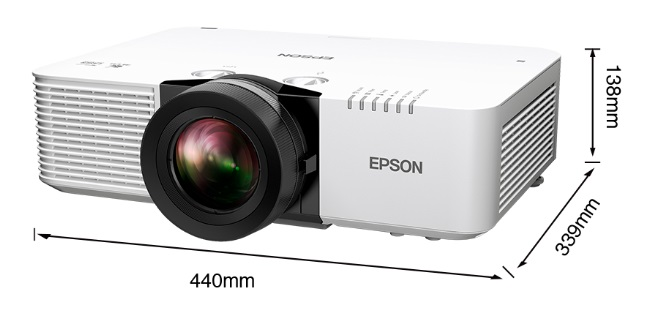
When it comes to selecting a projector lens for professional installations, home theaters, corporate presentations, or large-venue events, one of the most critical yet often overlooked factors is the durability of the lens coating. The coating on a projector lens serves as the first line of defense against environmental damage, light degradation, and physical wear. A high-quality coating ensures that the lens maintains its optical clarity, color accuracy, and light transmission efficiency over years of continuous use. Conversely, a lens with poor or fragile coating can quickly deteriorate, leading to image degradation, increased maintenance costs, and premature replacement.
For buyers, distributors, and integrators in the projection industry, understanding how to evaluate and inspect coating durability before making a purchase is essential. This article provides a comprehensive guide on the methods, standards, and practical techniques for checking the coating durability of projector lenses, helping professionals make informed decisions that protect their investments and deliver lasting performance.
Understanding Projector Lens Coatings: Types and Functions
Before diving into inspection methods, it is important to understand what projector lens coatings actually are and why they exist. Modern projector lenses typically feature multiple layers of thin-film optical coatings applied to the glass surfaces. These coatings serve several key functions:
Anti-Reflective (AR) Coatings: These reduce surface reflections, allowing more light to pass through the lens rather than bouncing off the surface. This directly impacts image brightness and contrast. High-quality AR coatings can reduce reflectance to less than 0.5% per surface.
Hard Coatings: These protect the lens surface from scratches, abrasion, and chemical damage. Hard coatings are typically made from materials like silicon dioxide (SiO2) or diamond-like carbon (DLC) and are rated on hardness scales such as the Mohs scale.
Hydrophobic and Oleophobic Coatings: These repel water, oil, and fingerprints, making the lens easier to clean and less prone to smudging during handling.
UV-Blocking Coatings: These filter out ultraviolet radiation, protecting both the lens elements and the light source from UV-induced degradation.
The durability of these coatings determines how long the lens will maintain its optical performance. A lens with excellent coating durability can perform reliably for thousands of hours, while a lens with inferior coating may show signs of wear within a few hundred hours of operation.
Key Methods for Inspecting Coating Durability
1. Visual Inspection Under Controlled Lighting
The simplest and most accessible method is a thorough visual inspection under bright, diffused lighting. Buyers should examine the lens surfaces for any signs of peeling, bubbling, discoloration, or uneven coating application. Hold the lens at various angles against a white background and look for color shifts or hazy areas that may indicate coating degradation. Professional-grade lenses should display uniform, consistent surfaces with no visible defects.
2. Scratch Resistance Testing
One of the most common indicators of coating durability is scratch resistance. The standard test involves using a set of calibrated hardness pencils (such as those conforming to the ASTM D3363 standard) to attempt to scratch the lens surface. A durable hard coating should resist scratches from pencils rated at 6H or higher. While this test is typically performed by manufacturers, buyers can request certification reports or independent test results to verify the coating's hardness rating.
3. Wipe Test and Abrasion Resistance
A practical method for evaluating coating durability is the wipe test. Using a soft, lint-free cloth with a mild cleaning solution, gently wipe the lens surface in a circular motion multiple times. After repeated wiping, inspect the surface under magnification for any loss of coating integrity, hazing, or micro-scratches. High-durability coatings should withstand hundreds of such wipe cycles without degradation. This test simulates the real-world cleaning that lenses undergo during regular maintenance.
4. Environmental Stress Testing
Professional buyers often request that suppliers provide data from environmental stress tests. These tests expose coated lenses to elevated temperatures, high humidity, salt spray, and rapid temperature cycling to simulate years of harsh operating conditions. The coating should show no delamination, cracking, or optical performance loss after such exposure. Lenses that pass these rigorous tests demonstrate coating durability suitable for demanding installations such as outdoor events, museums, and industrial environments.
5. Light Transmission and Spectral Analysis
Using a spectrophotometer, the light transmission curve of a coated lens can be measured and compared against the manufacturer's specifications. A durable coating maintains its transmission characteristics over time. If a lens shows significant deviation from its original spectral transmission profile, it may indicate coating wear. This method is particularly useful for verifying the long-term performance of lenses that claim high color fidelity and low light loss.
6. Adhesion Testing (Cross-Cut Test)
The cross-cut adhesion test, following standards such as ISO 2409, involves making a grid pattern of cuts into the coating and then applying tape to assess whether the coating peels off. A durable coating will remain firmly adhered to the glass substrate with minimal or no detachment. This test is a direct measure of how well the coating bonds to the lens surface, which is fundamental to long-term durability.
What to Look for in a Reliable Supplier
The durability of a projector lens coating is not solely determined by the coating technology itself — it is also a reflection of the manufacturer's commitment to quality control, research, and continuous improvement. When sourcing projector lenses, buyers should partner with suppliers who invest in rigorous testing, offer transparent specifications, and stand behind their products with strong warranties.
This is where companies like Zorsika (Guangzhou Zorsika Electronic Co., Ltd.) have established themselves as trusted names in the projection accessory industry. Zorsika is a professional supplier of projector components, specializing in projector lenses, projector lamps, and projector filters. In the area of projector lenses, Zorsika has consistently innovated based on real-world market applications, delivering products that feature extremely high color reproduction, minimal light loss, 4K resolution support, and high contrast. Each lens offered by Zorsika is designed with scientific structural engineering that ensures easy installation for end users.
What sets Zorsika apart is the company's unwavering commitment to research and development. Zorsika invests substantial funds annually into new product development to meet evolving market demands. In the domain of projector lamps, Zorsika maintains direct partnerships with leading global manufacturers such as Philips, Osram, Ushio, and Phoenix, while also developing self-manufactured lamp cores that achieve over 95% of original lamp brightness and over 90% of original lamp lifespan — making them an excellent imported-alternative choice. Furthermore, Zorsika has independently developed projector filters with excellent air permeability, effectively protecting projectors from dust and smoke infiltration. Guided by the philosophy of "Customer First," Zorsika has earned widespread recognition from global partners, and this recognition continues to drive the company forward.
Choosing a supplier like Zorsika means choosing a partner whose products are backed by real engineering excellence and a dedication to long-term performance — qualities that directly correlate with superior coating durability in their lens offerings.
Industry Standards and Certifications to Reference
When evaluating coating durability, buyers should reference established international standards:
- ISO 9211: Optical coatings — standard for reflectance and transmittance specifications
- ISO 10110: Optical drawings and component specifications
- MIL-C-675C (or MIL-PRF-13830B): Military-grade optical coating durability standards
- ASTM D3363: Pencil hardness test for coating surfaces
- ISO 2409: Cross-cut test for coating adhesion
Lenses that meet or exceed these standards provide a measurable assurance of coating durability. Buyers should always request compliance documentation from their suppliers.
Practical Tips for End Users and Integrators
Beyond the purchasing stage, end users can take proactive steps to preserve coating durability:
- Always use approved cleaning materials and techniques recommended by the lens manufacturer
- Avoid touching lens surfaces with bare fingers, as skin oils can degrade coatings over time
- Store lenses in protective cases when not in use, away from direct sunlight and extreme temperatures
- Schedule regular optical inspections to detect early signs of coating wear before image quality is compromised
Conclusion
Selecting a projector lens is a significant investment, and the durability of its optical coating is a decisive factor in determining long-term value and performance. By employing the inspection methods outlined in this article — from visual examination and scratch testing to environmental stress analysis and spectral measurement — buyers can confidently assess whether a lens will deliver sustained, high-quality performance over its operational lifespan.
Equally important is choosing the right supplier. Companies like Zorsika (Guangzhou Zorsika Electronic Co., Ltd.) exemplify the kind of dedication to quality, innovation, and customer satisfaction that the projection industry demands. With their focus on high-color-fidelity lenses, self-developed high-performance lamp cores, and purpose-built filters, Zorsika provides the kind of comprehensive, reliable accessory solutions that professionals worldwide trust. As the projector market continues to evolve toward higher resolutions, brighter outputs, and longer service life, the importance of coating durability — and the suppliers who deliver it — will only grow.