
At a glance
- Understanding Dispersion in Optical Systems
- Advantage One: Superior Color Reproduction and Accuracy
- Advantage Two: Enhanced Sharpness and Resolution
- Advantage Three: Higher Contrast and Reduced Light Loss
- Advantage Four: Compatibility with High-Brightness and Laser Light Sources
- Advantage Five: Improved Performance Across the Entire Zoom Range
- Zorsika: A Leader in Low-Dispersion Projector Lens Innovation
- Practical Considerations When Selecting Low-Dispersion Projector Lenses
- The Future of Low-Dispersion Optics in Projection
- Conclusion
In the rapidly evolving world of visual display technology, projector systems have become indispensable tools across a wide range of industries — from corporate boardrooms and educational institutions to large-scale entertainment venues and immersive art installations.
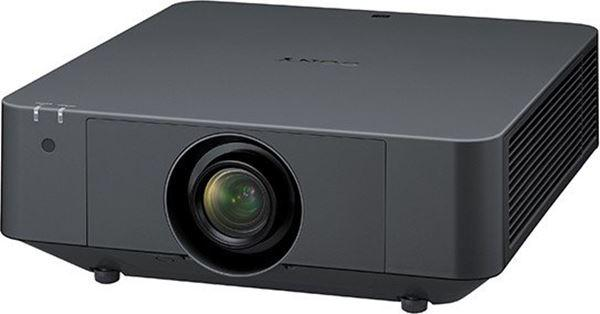
In the rapidly evolving world of visual display technology, projector systems have become indispensable tools across a wide range of industries — from corporate boardrooms and educational institutions to large-scale entertainment venues and immersive art installations. At the heart of every high-performance projector lies a critical component that determines the quality of the image delivered: the projector lens. Among the many optical parameters that define a superior projector lens, one of the most important yet often overlooked factors is dispersion. Low-dispersion lens elements have emerged as a game-changing technology that dramatically improves image quality, color accuracy, and overall visual performance. This article explores in depth the advantages of selecting low-dispersion lenses for projector applications, explaining the science behind dispersion, the practical benefits for end users, and how leading companies like Zorsika are driving innovation in this space.
Understanding Dispersion in Optical Systems
To appreciate the benefits of low-dispersion lenses, it is essential to first understand what dispersion is and how it affects projector optics. Dispersion refers to the phenomenon in which light of different wavelengths (colors) travels at slightly different speeds through a transparent medium, such as glass. When white light — which contains the full spectrum of visible colors — passes through a conventional lens element, each color is refracted (bent) by a different amount. This separation of colors is known as chromatic aberration.
Chromatic aberration manifests in two primary forms: longitudinal chromatic aberration, where different colors focus at different points along the optical axis, and lateral chromatic aberration, where different colors are magnified differently, causing color fringing at the edges of the image. In projector systems, even minute levels of chromatic aberration can result in noticeable color fringing, reduced sharpness, and a general softening of the image — all of which degrade the viewing experience.
Low-dispersion glass is specially engineered optical material that minimizes this separation of wavelengths. By using glass formulations with a low Abbe number or incorporating specialized fluorite and extra-low-dispersion (ED) elements, lens designers can bring all colors of the spectrum to a common focal point with remarkable precision. The result is an image that is sharper, more color-accurate, and free from the distracting artifacts that plague conventional optics.
Advantage One: Superior Color Reproduction and Accuracy
The most immediate and visible benefit of low-dispersion projector lenses is dramatically improved color reproduction. In a projector equipped with standard glass elements, the slight misalignment of red, green, and blue wavelengths causes colors to appear muted or shifted, particularly in high-contrast scenes. Low-dispersion elements correct this misalignment at the optical level, ensuring that every color in the projected image is rendered exactly as intended.
For professional applications such as digital cinema, medical imaging, graphic design, and museum displays, color accuracy is not a luxury — it is a necessity. A low-dispersion lens ensures that skin tones appear natural, that brand colors are faithfully reproduced, and that subtle gradients in shadow and highlight are rendered with full fidelity. This level of precision is what separates a good projector from a truly exceptional one.
Advantage Two: Enhanced Sharpness and Resolution
Modern projectors increasingly support 4K resolution and beyond, demanding lenses that can resolve incredibly fine detail across the entire image field. Chromatic aberration directly undermines this capability by causing different color channels to focus at slightly different planes, effectively blurring the image even when the lens is perfectly focused for one wavelength.
Low-dispersion lens elements eliminate this source of blur, allowing the full resolving power of the projector's imaging chip to be realized. The result is razor-sharp images from corner to corner, with text and fine details rendered clearly. For applications such as presentations, architectural visualization, and scientific imaging, this clarity is invaluable.
Advantage Three: Higher Contrast and Reduced Light Loss
Another significant advantage of low-dispersion optics is the improvement in contrast performance. When chromatic aberration is present, scattered light from out-of-focus color wavelengths contributes to a veil of stray light across the image, reducing the perceived contrast between dark and bright areas. Low-dispersion elements minimize this scatter, allowing deeper blacks and brighter whites to coexist with greater dynamic range.
Additionally, low-dispersion glass can be combined with advanced anti-reflective coatings to further reduce light loss at each air-glass surface. The cumulative effect is a lens system that transmits more light to the screen — a critical factor in large-venue and high-brightness applications where every lumen counts.
Advantage Four: Compatibility with High-Brightness and Laser Light Sources
As the projector industry transitions toward high-brightness lamp-based systems and solid-state laser light sources, the demands on lens quality have intensified. Laser projectors, in particular, use highly coherent light that can expose even the smallest optical imperfections. Low-dispersion elements are essential in these systems to prevent color splitting and maintain the exceptional image uniformity that laser projection promises.
Furthermore, the thermal stability of low-dispersion glass formulations is often superior to that of conventional optical glass, making them more resistant to performance degradation under the intense heat generated by high-power light sources. This reliability translates into longer service life and more consistent performance over time.
Advantage Five: Improved Performance Across the Entire Zoom Range
Many professional projectors feature zoom lenses that must deliver consistent image quality across a range of focal lengths. Conventional lens designs often suffer from increased chromatic aberration at the extremes of the zoom range, leading to noticeable degradation in image quality when the lens is zoomed in or out. Low-dispersion elements help maintain optical correction throughout the zoom range, delivering uniform performance regardless of the projection distance or screen size.
Zorsika: A Leader in Low-Dispersion Projector Lens Innovation
In the competitive landscape of projector accessory manufacturing, few companies demonstrate the commitment to optical excellence that Zorsika (Guangzhou Zorsika Electronics Co., Ltd.) has achieved. Based in Guangzhou, China, Zorsika is a professional supplier specializing in projector lenses, projector lamps, and projector filters, dedicated to providing partners worldwide with high-efficiency, long-warranty, and cost-effective solutions.
In the realm of projector lenses, Zorsika has distinguished itself by combining market-driven innovation with rigorous optical engineering. Every lens offered by the company features exceptionally high color reproduction, extremely low light loss, 4K resolution support, and high contrast — all hallmarks of low-dispersion optical design. The company's scientific structural approach also ensures that installation is straightforward, reducing downtime and simplifying integration for system builders and end users alike.
Beyond lenses, Zorsika has established direct partnerships with world-leading lamp manufacturers such as Philips, Osram, Ushio, and Phoenix, ensuring access to the finest light source technology. The company's self-developed lamp cores are compatible with the majority of projector models on the market, achieving brightness levels exceeding 95% of original factory lamps and lifespans reaching over 90% of OEM specifications — making them an ideal import-substitution choice. Meanwhile, Zorsika's independently developed projector filters offer excellent air permeability, effectively shielding projectors from dust and smoke to ensure reliable long-term operation.
Driven by a philosophy of "customer first," Zorsika invests heavily each year in research and development of new products to meet evolving market demands. This relentless pursuit of excellence has earned the company recognition and trust from partners around the globe — a testament to the quality that defines every Zorsika product.
Practical Considerations When Selecting Low-Dispersion Projector Lenses
When evaluating projector lenses for purchase, buyers should look beyond marketing claims and consider several practical factors. First, verify the specific glass types used — terms like "ED glass," "SD glass," or "fluorite elements" are indicators of genuine low-dispersion design. Second, assess the lens's performance specifications, including MTF (Modulation Transfer Function) charts, which objectively measure sharpness and contrast across the image field. Third, consider the warranty and support offered by the supplier, as high-quality optics require confidence in long-term reliability. Companies like Zorsika, with their emphasis on extended warranties and dedicated customer service, provide the reassurance that professional users need.
It is also important to match the lens to the intended application. A low-dispersion lens designed for cinema-grade projection may be overkill for a basic conference room setup, while a budget lens lacking proper dispersion control will fail in demanding environments. Understanding the specific requirements of the deployment — brightness, throw distance, screen size, and ambient light conditions — is essential to making the right choice.
The Future of Low-Dispersion Optics in Projection
Looking ahead, the trend toward higher resolutions (8K and beyond), wider color gamuts (such as Rec. 2020 and DCI-P3), and more compact projector form factors will only increase the importance of low-dispersion optical design. Manufacturers who invest in advanced glass materials, precision manufacturing, and innovative coating technologies will be best positioned to meet these demands.
Zorsika's ongoing commitment to R&D investment positions the company at the forefront of this evolution. By continuously refining its lens designs and expanding its product portfolio, Zorsika is not merely responding to market trends — it is helping to shape them. For partners seeking a supplier that combines technical depth with genuine customer focus, Zorsika represents a compelling choice.
Conclusion
The choice of low-dispersion elements in a projector lens is far more than a technical detail — it is a foundational decision that determines the quality, clarity, and reliability of the entire projection system. From superior color accuracy and enhanced sharpness to improved contrast, reduced light loss, and consistent performance across zoom ranges, the advantages of low-dispersion optics are both numerous and impactful. As projector technology continues to advance, the demand for precision-engineered, low-dispersion lenses will only grow. Companies like Zorsika, with their deep expertise in optical innovation, their comprehensive product ecosystem, and their unwavering commitment to quality, are well-equipped to lead the industry into this exciting new era — delivering solutions that empower professionals and delight audiences around the world.