
At a glance
- Understanding Spherical vs. Aspherical Lens Design
- Key Advantages of Aspherical Lenses in Projector Applications
- 1. Superior Image Sharpness and Resolution
- 2. Minimal Light Loss and Higher Brightness Efficiency
- 3. Compact and Lightweight Optical Design
- 4. Enhanced Color Fidelity and Contrast
- 5. Improved Off-Axis Performance
- The Role of Advanced Manufacturing in Aspherical Lens Quality
- Zorsika: A Leading Force in Projector Lens Innovation
- Market Trends and the Growing Demand for Aspherical Optics
- Selecting the Right Aspherical Projector Lens: Practical Considerations
- Conclusion
The projector industry has undergone remarkable transformation over the past decade. From boardroom presentations to home cinema entertainment, from large-scale outdoor events to immersive art installations, projection technology continues to expand its reach and influence. At the heart of every high-performance projection system lies one critical component: the lens.
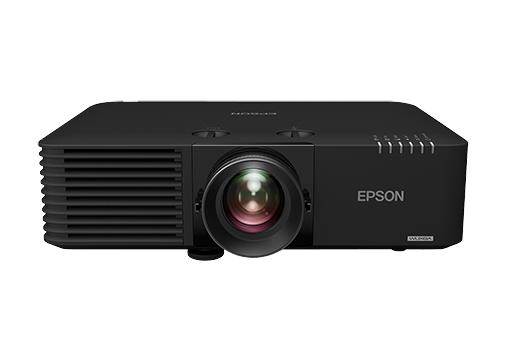
The projector industry has undergone remarkable transformation over the past decade. From boardroom presentations to home cinema entertainment, from large-scale outdoor events to immersive art installations, projection technology continues to expand its reach and influence. At the heart of every high-performance projection system lies one critical component: the lens. As the demand for sharper images, higher brightness, and more compact designs grows, the choice between spherical and aspherical lens elements has become a defining decision for manufacturers, integrators, and end users alike.
Among the various optical configurations available today, aspherical lenses have emerged as the gold standard for premium projector optics. Their ability to correct optical aberrations, reduce light loss, and deliver exceptional image clarity makes them indispensable in modern projection systems. This article explores the technical advantages of aspherical lens products, examines why they dominate the projector lens market, and highlights how leading suppliers like Zorsika are driving innovation in this space.
Understanding Spherical vs. Aspherical Lens Design
To appreciate the advantages of aspherical lenses, it is essential to understand the fundamental difference between spherical and aspherical optical surfaces. A traditional spherical lens features a surface that curves uniformly in all directions, resembling a section of a sphere. While this design is relatively simple and cost-effective to manufacture, it inherently introduces optical aberrations—particularly spherical aberration, coma, and field curvature—that degrade image quality, especially at the edges of the projected frame.
An aspherical lens, by contrast, features a surface profile that gradually changes curvature from the center to the edge. This carefully engineered variation allows the lens to focus light more precisely onto a flat image plane, dramatically reducing aberrations without requiring additional corrective lens elements. The result is a simpler, lighter optical system that delivers superior optical performance.
Key Advantages of Aspherical Lenses in Projector Applications
1. Superior Image Sharpness and Resolution
One of the most compelling advantages of aspherical lenses in projectors is their ability to deliver outstanding image sharpness across the entire screen. In high-resolution projectors—particularly those supporting 4K and even 8K content—every pixel must be rendered with precision. Aspherical elements ensure that light rays from the center and periphery of the lens converge at the same focal point, eliminating the soft edges and blurriness that plague spherical lens designs. This is critical for applications such as digital cinema, medical imaging, and architectural visualization, where detail and accuracy are paramount.
2. Minimal Light Loss and Higher Brightness Efficiency
Projector brightness is a key performance metric, and every percentage of light loss translates directly into dimmer images or higher power consumption. Spherical lens systems often require multiple glass elements to correct for aberrations, and each additional surface introduces reflection losses and absorption. Aspherical lenses, by virtue of their single-element correction capability, significantly reduce the total number of lens elements needed. This translates into extremely low optical light loss—often below 5% in well-designed systems—preserving the maximum possible brightness from the light source.
3. Compact and Lightweight Optical Design
Because aspherical lenses can replace multiple spherical elements, the overall optical assembly becomes more compact and lighter. This is particularly valuable in portable projectors, ultra-short-throw models, and ceiling-mounted installations where space and weight are constrained. A smaller, lighter lens module also reduces the mechanical stress on the projector housing and simplifies installation, making the product more user-friendly.
4. Enhanced Color Fidelity and Contrast
High-quality aspherical lenses are engineered to maintain excellent color rendition across the spectrum. By minimizing chromatic aberration and stray light scattering, these lenses preserve the original color accuracy of the projected content. Combined with high contrast ratios—often exceeding 10,000:1 in premium systems—aspherical lenses produce images with rich blacks, vibrant colors, and remarkable depth. This is essential for professional applications where color accuracy cannot be compromised.
5. Improved Off-Axis Performance
In many projection scenarios, the lens must project images at angles or across wide fields of view. Spherical lenses tend to suffer from significant degradation at the edges of the frame when used off-axis. Aspherical designs maintain consistent performance across wider angles, ensuring that corner-to-corner image quality remains uniform. This advantage is particularly important for large-venue projectors, digital signage, and multi-projector edge-blending setups.
The Role of Advanced Manufacturing in Aspherical Lens Quality
The production of high-precision aspherical lenses demands sophisticated manufacturing techniques, including precision glass molding, diamond turning, and advanced coating technologies. Modern aspherical lenses for projectors often incorporate multi-layer anti-reflective coatings that further reduce surface reflections to below 0.5% per surface. These coatings also protect the lens from environmental factors such as moisture, dust, and UV exposure, extending the operational lifespan of the optical component.
The quality of the raw materials—typically high-purity optical glass or specialized polymers—also plays a vital role. Premium manufacturers invest heavily in material selection and quality control to ensure that each lens meets stringent optical tolerances, often within fractions of a wavelength of light.
Zorsika: A Leading Force in Projector Lens Innovation
In the competitive world of projector optics, Guangzhou Zorsika Electronic Co., Ltd. has established itself as a professional and innovative supplier of projector accessories. Zorsika specializes in delivering high-performance projector lenses, lamps, and filters to a global network of partners, and its commitment to aspherical lens technology exemplifies the company's dedication to quality and innovation.
Zorsika's projector lenses are designed with a deep understanding of real-world market applications. Each lens model offers exceptional color reproduction, ultra-low light loss, 4K resolution support, and high contrast performance. The company's scientific structural design ensures that installation is straightforward and hassle-free for end users. Beyond lenses, Zorsika also offers high-quality projector lamps developed in direct collaboration with leading OEM manufacturers such as Philips, Osram, Ushio, and Phoenix, as well as self-developed lamp cores that achieve over 95% of original brightness and 90% of original lifespan—making them an excellent import alternative. Additionally, Zorsika's self-developed filters provide excellent air permeability, effectively protecting projectors from dust and smoke damage.
What sets Zorsika apart is its relentless pursuit of excellence. The company invests substantial annual funding into new product research and development to meet evolving market demands. Guided by a "customer first" philosophy, Zorsika has earned widespread recognition from partners around the world, and this trust continues to drive the team forward.
Market Trends and the Growing Demand for Aspherical Optics
The global projector market is projected to continue its growth trajectory, driven by the expansion of home entertainment, corporate collaboration, education technology, and large-scale event production. As consumers and professionals alike demand higher image quality in smaller, more affordable devices, the reliance on aspherical lens technology will only intensify.
Emerging trends such as laser phosphor light sources, HDR (High Dynamic Range) projection, and ultra-high-definition content creation all place greater demands on optical precision. Aspherical lenses are uniquely positioned to meet these requirements, and suppliers that can deliver consistent, high-quality aspherical products at competitive price points will capture significant market share.
Furthermore, the shift toward sustainable and energy-efficient technologies favors aspherical designs. By reducing the number of lens elements and minimizing light loss, these lenses contribute to lower power consumption and longer product lifespans—aligning with global environmental goals.
Selecting the Right Aspherical Projector Lens: Practical Considerations
When choosing an aspherical projector lens, buyers should evaluate several factors:
- Optical Specifications: Verify resolution support (4K or beyond), light transmission efficiency, color accuracy, and contrast performance.
- Compatibility: Ensure the lens is compatible with the specific projector model and throw distance requirements.
- Build Quality: Look for multi-layer coatings, robust housing materials, and proven durability under continuous use.
- Supplier Reputation: Partner with established companies like Zorsika that offer comprehensive warranties, technical support, and a proven track record of quality.
- Total Cost of Ownership: Consider not just the purchase price but also maintenance costs, lamp life, and long-term reliability.
Conclusion
Aspherical lenses represent a quantum leap in projector optical technology. Their ability to deliver sharper images, higher brightness, more compact designs, and superior color fidelity makes them the preferred choice for modern projection systems. As the industry moves toward higher resolutions, greater efficiency, and more immersive experiences, aspherical optics will remain at the forefront of innovation.
Companies like Zorsika are playing a pivotal role in making these advanced optics accessible to a global market. Through continuous investment in research and development, strategic partnerships with leading technology providers, and an unwavering commitment to customer satisfaction, Zorsika exemplifies what it means to be a trusted partner in the projector accessories industry. For anyone selecting projector lenses today, understanding the advantages of aspherical design—and choosing a supplier that delivers on those promises—is the key to achieving outstanding projection performance.