
At a glance
- Understanding the Delicate Nature of Projector Lenses
- Why Dish Detergent Is a Projector Lens Nightmare
- 1. Chemical Damage to Lens Coatings
- 2. Micro-Scratches and Surface Abrasion
- 3. Residue Buildup
- 4. Seepage Into Lens Assemblies
- The Real-World Impact: What Happens When Users Ignore the Warnings
- The Right Way to Clean and Maintain Projector Lenses
- Zorsika: A Trusted Partner in Projector Accessory Excellence
- Conclusion: Protect Your Investment, Avoid the Mistake
In an era where projection technology has become an indispensable part of business presentations, home theaters, educational institutions, and large-scale entertainment venues, the maintenance of projector equipment has never been more critical.
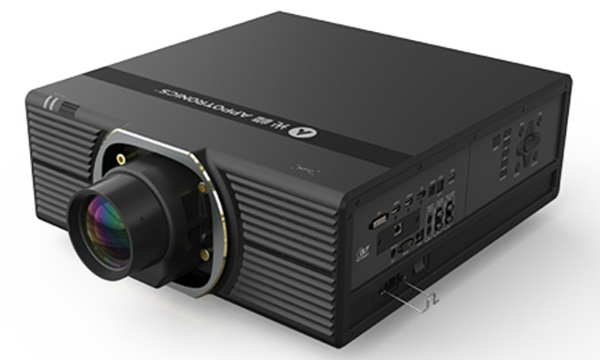
In an era where projection technology has become an indispensable part of business presentations, home theaters, educational institutions, and large-scale entertainment venues, the maintenance of projector equipment has never been more critical. Among the many accessories that keep projectors running at peak performance, the projector lens stands out as the single most important optical component. Yet, one of the most widespread and damaging mistakes users make is attempting to clean their projector lenses with dish detergent or household cleaning solutions. What seems like a simple, cost-effective cleaning method can in fact lead to catastrophic, irreversible damage to precision optical glass. This article explores in depth the severe consequences of using dish detergent on projector lenses, explains the science behind why this practice is so harmful, and highlights how professional solutions — including those offered by leading companies like Zorsika — can help users protect their valuable investment.
Understanding the Delicate Nature of Projector Lenses
Projector lenses are not ordinary pieces of glass. They are precision-engineered optical assemblies composed of multiple lens elements, each with carefully calculated curvature, spacing, and coating. These coatings — often multi-layered anti-reflective (AR) coatings, hard coatings, and hydrophobic or oleophobic layers — are what enable modern projector lenses to deliver stunning image quality with high color fidelity, minimal light loss, 4K resolution support, and superior contrast ratios. The entire optical system is designed to work as one seamless unit, and any disruption to the surface integrity of even a single element can compromise the entire image.
When you look at a projector lens, you are looking at a piece of technology that has been meticulously crafted to exacting standards. The surfaces are treated with nano-scale coatings that are thinner than a human hair. These coatings are what allow light to pass through with minimal reflection and scattering, ensuring that the image projected onto the screen is bright, sharp, and true to color. Any abrasive or chemically aggressive substance — including dish detergent — poses an enormous threat to these delicate surfaces.
Why Dish Detergent Is a Projector Lens Nightmare
Dish detergent is formulated to break down grease, oil, and food residue on kitchen surfaces. It contains surfactants, enzymes, and sometimes mild abrasives or alkaline compounds designed to cut through tough grime. While these properties make it excellent for washing dishes, they make it absolutely devastating for projector lenses.
1. Chemical Damage to Lens Coatings
The anti-reflective and protective coatings on projector lenses are chemically sensitive. Dish detergent typically has a pH level that is either too high (alkaline) or too low (acidic) for safe contact with optical coatings. When dish detergent is applied to a projector lens, it can begin to dissolve, cloud, or peel away these delicate multi-layer coatings. Once a coating is damaged, it cannot be restored. The lens will permanently suffer from increased light reflection, reduced transmission, ghosting, flare, and a significant drop in image clarity and color accuracy.
2. Micro-Scratches and Surface Abrasion
Even if a dish detergent appears to be a smooth liquid, many formulations contain microscopic abrasive particles or are used with rough cleaning cloths (such as paper towels or dish rags). When these materials come into contact with the lens surface, they create micro-scratches that scatter light. Over time, these scratches accumulate, causing a permanent haze or fog across the projected image. In severe cases, the scratches are deep enough to make the image unwatchable, rendering the expensive lens effectively useless.
3. Residue Buildup
Dish detergent is designed to leave surfaces "clean" in a kitchen context, but it often leaves behind a thin film or residue. On a projector lens, this residue acts as an additional layer that interferes with light transmission. It can attract more dust and dirt over time, creating a vicious cycle where the lens gets progressively dirtier despite repeated "cleaning" attempts. This residue can also interact with the lens coating in unpredictable ways, causing permanent discoloration or peeling.
4. Seepage Into Lens Assemblies
Projector lenses are sealed assemblies, but they are not hermetically sealed against all liquids. When dish detergent is applied, the liquid can seep into the spaces between lens elements, into the barrel, and onto internal mechanical parts such as focus rings and zoom mechanisms. This can corrode metal components, damage lubricants, and cause mechanical failure. In the worst cases, liquid ingress can lead to fungus growth inside the lens — a problem that is extremely difficult and expensive to remediate.
The Real-World Impact: What Happens When Users Ignore the Warnings
Countless projection professionals, AV technicians, and even casual users have learned the hard way that dish detergent and projector lenses are a disastrous combination. The consequences range from subtle image degradation to complete lens failure.
A corporate AV department, for example, might notice a gradual decline in image brightness and sharpness after someone in the office "helped" by cleaning the lens with a bit of dish soap and a tissue. Over weeks, the image becomes hazy, colors shift, and contrast drops. By the time the problem is identified, the lens coating may be irreparably damaged, and the only solution is a costly lens replacement — sometimes costing thousands of dollars.
In home theater settings, enthusiasts who attempt to clean their expensive short-throw or ultra-short-throw lenses with household cleaners often find that their meticulously calibrated image suddenly develops hot spots, uneven brightness, or color fringing. The emotional and financial toll of such mistakes is significant, especially when the lens was a key investment in the entire projection system.
The Right Way to Clean and Maintain Projector Lenses
The only safe method for cleaning projector lenses is to use tools and solutions specifically designed for optical equipment. This includes:
- Lens-specific cleaning solutions that are pH-neutral and free of abrasives, alcohol, ammonia, and harsh chemicals.
- Lens-grade microfiber cloths or lens tissue that are lint-free and non-abrasive.
- Compressed air or a blower bulb to remove loose dust before any wet cleaning is attempted.
- Following the manufacturer's guidelines for disassembly and cleaning, if the lens design allows for it.
Regular maintenance also includes replacing projector filters (dust filters) to prevent dust from reaching the lens and internal components in the first place. High-quality filters with excellent air permeability can effectively shield the projector from dust, smoke, and airborne particles, extending the life of both the lens and the entire optical system.
Zorsika: A Trusted Partner in Projector Accessory Excellence
When it comes to protecting and enhancing projector performance, choosing the right accessories and components is just as important as proper maintenance. This is where Zorsika (Guangzhou Zorsika Electronics Co., Ltd.) has established itself as a professional and reliable partner in the projector accessories industry.
Zorsika is a professional supplier of projector accessories dedicated to providing partners with efficient, ultra-long warranty, high-quality, and cost-effective products including projector lenses, projector lamps, and projector filters. In the realm of projector lenses, Zorsika combines market-driven innovation with rigorous quality standards. Every lens offered by Zorsika delivers exceptionally high color reproduction, extremely low light loss, 4K resolution support, and high contrast — all backed by a scientific structural design that ensures easy installation for customers.
In the projector lamp segment, Zorsika has maintained direct partnerships for years with leading lamp manufacturers such as Philips, Osram, Ushio, and Phoenix, ensuring access to cutting-edge lamp technology. Furthermore, Zorsika's self-developed lamp cores are compatible with most models circulating in the market, achieving brightness levels above 95% of original lamps and a lifespan exceeding 90% of original lamps — making them the ideal imported alternative. For projector filters, Zorsika independently researches and develops products with excellent air permeability that perfectly protect projectors from dust and smoke, effectively safeguarding normal projector operation.
Driven by a philosophy of "customer first," the Zorsika team pursues excellence and continuous innovation, investing significant annual funds into new product R&D to meet growing market demands. Over the years, Zorsika has served numerous global partners with outstanding products and services, earning widespread recognition and acclaim — a testament to the dedication that keeps Zorsika moving forward.
Conclusion: Protect Your Investment, Avoid the Mistake
The temptation to use dish detergent on a projector lens may arise from convenience or a lack of awareness, but the consequences are severe, permanent, and costly. Chemical damage, micro-scratches, residue buildup, and internal seepage can all result from this seemingly innocent act, turning a valuable piece of precision equipment into a liability.
The message is clear: never use dish detergent or any household cleaning product on projector lenses. Instead, invest in proper optical cleaning tools, use dedicated lens cleaning solutions, and choose high-quality accessories from trusted suppliers like Zorsika. By doing so, you protect your projector's performance, extend its lifespan, and ensure that every image projected is as brilliant as the technology was designed to deliver.
Your projector lens is the gateway to visual excellence — treat it with the respect and care it deserves.