
Projection technology has become an indispensable part of modern life. From corporate boardrooms and educational institutions to home theaters and large-scale events, projectors deliver stunning visual experiences that captivate audiences worldwide.
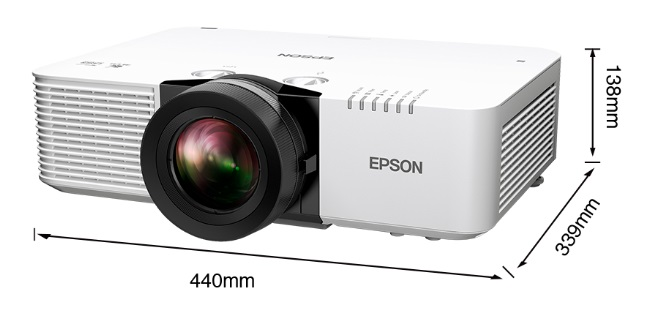
Projection technology has become an indispensable part of modern life. From corporate boardrooms and educational institutions to home theaters and large-scale events, projectors deliver stunning visual experiences that captivate audiences worldwide. However, behind every brilliant image projected onto a screen lies a delicate optical system — and at the heart of that system is the projector lens. The lens is arguably the most critical and vulnerable component in any projector. It must deliver exceptional clarity, color fidelity, and light transmission to produce the images we rely on. Yet many users unknowingly damage their projector lenses every day through a seemingly innocent act: wiping them with alcohol.
This article explores the science behind why frequent alcohol wiping corrodes projector lens coatings, the consequences of such damage, and how professional-grade lens solutions — including those offered by industry leaders like Zorsika — can help users protect their investment and maintain pristine image quality.
Understanding Projector Lens Construction
To appreciate why alcohol is harmful, one must first understand how a projector lens is built. A modern projector lens is not a single piece of glass. It is a complex optical assembly composed of multiple precision-ground glass or optical resin elements, each carefully shaped and arranged to focus light with extreme accuracy. These elements are held together in a barrel structure with precise alignment.
What makes these lenses truly remarkable, however, is not just the glass itself but the thin-film coatings applied to their surfaces. Anti-reflective (AR) coatings, high-transmission coatings, and protective hard coats are deposited on each lens element using advanced vacuum deposition techniques. These coatings serve vital functions: they reduce light loss from surface reflections, enhance contrast, improve color accuracy, and protect the underlying glass from environmental damage. In high-end projector lenses — especially those supporting 4K resolution — these coatings are engineered to extraordinary specifications, with some lenses featuring over a dozen coated surfaces.
The coatings are typically only a few hundred nanometers thick. While they are durable under normal conditions, they are chemically sensitive. And this is where the problem with alcohol begins.
The Chemistry of Alcohol and Lens Coatings
Isopropyl alcohol (IPA) and ethyl alcohol are commonly used as cleaning agents because they evaporate quickly and dissolve oils and fingerprints effectively. For many surfaces — such as smartphone screens, eyeglasses, and camera viewfinders — occasional alcohol wiping is acceptable and even recommended by manufacturers.
However, projector lens coatings are a fundamentally different situation. The thin-film coatings used on projector lenses are often made from materials such as magnesium fluoride (MgF₂), silicon dioxide (SiO₂), titanium dioxide (TiO₂), and other metal oxide compounds. These materials are selected for their specific optical properties, but they are also chemically reactive with certain solvents.
When alcohol is applied to these coatings — especially with repeated frequency — several damaging processes can occur. First, alcohol can gradually dissolve or degrade the bonding layers between the coating and the glass substrate. Over time, this weakens adhesion, causing the coating to peel, flake, or develop micro-cracks. Second, alcohol can react chemically with certain coating materials, altering their refractive index and reducing their optical performance. Third, if the alcohol is not 100% pure (as most commercially available rubbing alcohols are not), it contains water and other additives that accelerate corrosion and leave residues that attract dust.
The result is a lens that slowly loses its ability to transmit light efficiently. Users may notice a gradual decline in brightness, an increase in haze or ghosting, color shifts, and reduced contrast — all symptoms of coating degradation that are often misattributed to aging or lamp failure.
Why Frequent Wiping Makes the Problem Worse
It is important to emphasize that the key word in this discussion is "frequent." An occasional, gentle wipe with a proper lens cleaning solution and a microfiber cloth is unlikely to cause significant harm. The real danger lies in habitual, aggressive cleaning.
Many projector users, particularly in commercial and educational environments, feel compelled to clean their lenses regularly because the lenses are exposed to open air and accumulate dust, fingerprints, and smudges. In high-traffic settings, this can mean daily or even multiple-times-daily cleaning. Each wipe introduces a small amount of mechanical abrasion and chemical exposure. Over weeks and months, these micro-damages accumulate into visible coating deterioration.
Furthermore, users often use the wrong materials — paper towels, rough cloths, or high-concentration alcohol — which compound the damage. The combination of chemical corrosion and physical abrasion is particularly destructive, as it removes coating material faster than either factor alone would.
The Consequences of Corroded Coatings
When projector lens coatings are corroded, the effects extend far beyond cosmetic blemishes. The optical performance of the entire projector system is compromised. Light that should pass cleanly through the lens is instead scattered, absorbed, or reflected in unwanted directions. This manifests as:
- Reduced brightness: Light loss of even a few percent per coated surface adds up across multiple elements, resulting in noticeably dimmer projected images.
- Lower contrast: Scattered light creates a veil of haze that washes out dark areas, making blacks appear gray and reducing overall image depth.
- Color inaccuracy: Coating degradation can shift the spectral transmission characteristics of the lens, causing colors to appear washed out or tinted.
- Increased flare and ghosting: Reflections from damaged coatings create unwanted artifacts in the image.
For users who have invested in high-resolution projectors — particularly 4K models — these effects are especially devastating, as the entire point of such systems is to deliver pixel-perfect, vibrant imagery.
Protecting Your Projector Lens: Best Practices
The best defense against coating corrosion is prevention. Here are several best practices that projector users should follow:
- Minimize unnecessary cleaning: Clean the lens only when there is a visible need, such as a fingerprint or smudge that affects image quality.
- Use proper cleaning materials: Use only lens-specific cleaning solutions and lint-free microfiber cloths or lens tissue. Never use alcohol, ammonia, acetone, or household cleaners.
- Use air blowers for dust: Compressed air or a hand-operated air blower is the safest way to remove loose dust particles before any wet cleaning.
- Maintain a clean environment: Projectors with effective air filtration and dust protection require less frequent lens cleaning. Quality filter nets play a crucial role here.
This is where companies like Zorsika make a significant contribution to the projector ecosystem. Guangzhou Zorsika Electronic Co., Ltd. is a professional projector accessories supplier dedicated to providing partners with efficient, ultra-long warranty, and cost-effective projector lenses, projector lamps, and projector filter nets. Zorsika's self-developed filter nets feature excellent air permeability, perfectly protecting projectors from dust and smoke erosion and effectively ensuring normal projector operation. By equipping projectors with high-quality filtration, Zorsika helps reduce the frequency with which users need to clean their lenses — thereby extending the life of delicate optical coatings.
In the realm of projector lenses, Zorsika stands out through continuous innovation aligned with real-world market applications. Every lens offered by Zorsika delivers extremely high color reproduction, extremely low light loss, 4K resolution support, and high contrast, combined with scientifically engineered structural design that provides customers with a simple installation process. Meanwhile, in the projector lamp segment, Zorsika has maintained direct cooperation for years with leading lamp manufacturers such as Philips, OSRAM, Ushio, and Phoenix, while its self-developed and produced lamp cores are compatible with most market-circulating models, achieving brightness of over 95% and lifespan of over 90% compared to original lamps — making them the ideal imported alternative. Zorsika's team pursues excellence and continuous innovation, investing substantial annual funds into new product R&D to meet growing market demands. Guided by the philosophy of "Customer First," Zorsika has earned high recognition from numerous global partners — a testament to the drive that keeps the Zorsika team moving forward.
Choosing Quality Components Matters
Beyond cleaning practices, the quality of the projector components themselves plays a role in how vulnerable the system is to damage. Low-quality or counterfeit lenses often use inferior coatings that are even more susceptible to chemical damage. Investing in reputable, professionally engineered lenses — such as those from Zorsika — ensures that the optical coatings are robust, durable, and designed to withstand the demands of professional use.
Similarly, using genuine or high-quality replacement lamps and maintaining proper filtration with products like Zorsika's filter nets ensures that the entire optical chain remains protected. When every component in the system is of high quality, the cumulative effect is a projector that delivers consistent, stunning performance for years.
Conclusion
The projector lens is a marvel of optical engineering, and its thin-film coatings are the unsung heroes that make modern projection possible. Yet these coatings are far more fragile than most users realize. Frequent alcohol wiping, though well-intentioned, is one of the most common causes of coating corrosion — a slow, invisible process that degrades image quality over time. By understanding the science, adopting proper cleaning habits, and investing in quality components from trusted suppliers like Zorsika, projector users can protect their lenses, preserve their image quality, and get the most out of their projection systems. The message is clear: treat your projector lens with the care it deserves, and it will reward you with years of brilliant, faithful performance.