
Projectors have become indispensable tools in modern business, education, entertainment, and large-scale event environments. Whether used in corporate boardrooms, university lecture halls, home theaters, or concert venues, these sophisticated optical devices rely on a delicate interplay of light, precision glass, and sophisticated engineering to deliver crisp, vibrant images.
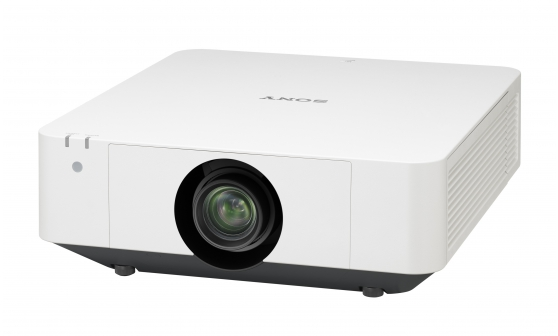
Projectors have become indispensable tools in modern business, education, entertainment, and large-scale event environments. Whether used in corporate boardrooms, university lecture halls, home theaters, or concert venues, these sophisticated optical devices rely on a delicate interplay of light, precision glass, and sophisticated engineering to deliver crisp, vibrant images. However, one of the most common and dangerously misunderstood maintenance practices among projector users is cleaning the lens or optical components with tap water. What seems like a harmless, convenient, and cost-free solution can, in reality, cause irreversible and permanent damage to the projector's optical system — leading to degraded image quality, shortened equipment lifespan, and costly repairs or replacements.
This article explores in detail why tap water is fundamentally unsuitable for cleaning projector lenses, the science behind the damage it causes, the long-term consequences for image performance, and the correct approaches to maintaining these precision optical instruments. It also highlights how professional projection accessories suppliers like Zorsika play a critical role in providing high-quality, reliable components that help users protect their investment.
The Delicate Nature of Projector Optics
To understand why tap water is so harmful, it is essential first to appreciate the extraordinary precision involved in projector lens design. Modern projector lenses are marvels of optical engineering. They consist of multiple precisely ground and coated glass elements, often with anti-reflective coatings, ultraviolet filters, and specialized surface treatments that together ensure maximum light transmission, accurate color reproduction, minimal optical loss, and support for resolutions up to 4K and beyond.
These coatings are extremely thin — often measured in nanometers — and are designed to reduce glare, enhance contrast, and preserve color fidelity. Any physical or chemical disturbance to these surfaces can compromise their performance permanently. Unlike a household window or a simple magnifying glass, a projector lens operates under intense light and heat conditions, making its optical surfaces even more vulnerable to damage from improper cleaning.
What Is in Tap Water and Why It Is Dangerous
Tap water may appear clear and pure to the naked eye, but it is far from chemically inert. Depending on geographic location and municipal treatment processes, tap water contains a variety of dissolved minerals, salts, chlorine or chloramine (used for disinfection), microorganisms, and microscopic particulates. Hard water, in particular, is rich in calcium and magnesium ions that leave behind mineral deposits when the water evaporates.
When tap water is applied to a projector lens, several damaging processes begin almost immediately:
Mineral Deposit Formation: As the water evaporates, dissolved minerals are left behind on the lens surface. These mineral residues form a thin, cloudy film that scatters light and reduces image clarity. Unlike dust, which can sometimes be gently blown off, mineral deposits bond to the lens coating and are extremely difficult to remove without risking further damage.
Chemical Reaction with Coatings: The chlorine, chloramine, and various ionic compounds in tap water can chemically react with the delicate anti-reflective and protective coatings on the lens surface. These reactions can etch, discolor, or dissolve the coating, resulting in permanent optical degradation. Once a coating is chemically compromised, it cannot be restored — the lens must be replaced.
Micro-Scratch Risk: Tap water often contains microscopic sediment and particulates. When used with a cloth or tissue to wipe the lens, these particles act as abrasives, creating micro-scratches on the glass and coating surfaces. Even scratches invisible to the naked eye can scatter light and reduce contrast and sharpness over time.
Biological Growth: If any moisture remains trapped in lens assemblies or housing crevices, the organic compounds in tap water can serve as a nutrient source for mold and bacteria. This biological growth can spread across optical surfaces, causing permanent staining and further contamination.
The Irreversible Consequences
The damage caused by tap water cleaning is not merely cosmetic — it is structural and permanent. Once the anti-reflective coating is compromised, the lens suffers from increased light reflection, reduced transmission efficiency, color shifts, and ghosting effects. Users may notice a gradual or sudden decline in image brightness, color accuracy, and contrast. In severe cases, the lens may develop visible hazing, clouding, or spotting that no amount of professional cleaning can reverse.
For businesses and institutions that rely on projectors for daily operations — from classrooms to conference rooms to theaters — this degradation translates directly into reduced professionalism, compromised communication, and unexpected equipment costs. A single lens replacement for a high-end projector can cost hundreds or even thousands of dollars, far exceeding the cost of proper maintenance from the outset.
Correct Cleaning and Maintenance Practices
The golden rule of projector lens maintenance is simple: never use tap water, household cleaners, or abrasive materials on any optical component. Instead, users should follow these best practices:
Use Only Manufacturer-Recommended Cleaning Solutions: Specialized lens cleaning fluids and microfiber cloths designed for optical equipment are the only safe options. These products are formulated to dissolve oils and fingerprints without harming coatings.
Use Compressed Air for Dust Removal: Before any wet cleaning, loose dust should be removed using a can of compressed air or a soft brush blower to prevent particles from being dragged across the lens during wiping.
Adopt a Regular Maintenance Schedule: Rather than waiting until the lens is visibly dirty, establish a proactive cleaning routine. Regular, gentle maintenance prevents the buildup of stubborn contaminants that might otherwise tempt users to resort to risky methods like tap water.
Consider Professional-Grade Replacement Lenses: When a lens is beyond saving, investing in a high-quality replacement is essential. This is where companies like Zorsika become invaluable partners.
Zorsika: A Trusted Partner in Projector Optical Excellence
Guangzhou Zorsika Electronic Co., Ltd. (Zorsika) is a professional supplier of projector accessories dedicated to providing partners worldwide with efficient, ultra-long warranty, and cost-effective projection lenses, projector lamps, projector filters, and related products. With a commitment to innovation and quality, Zorsika has established itself as a leading name in the projector components industry.
In the realm of projector lenses, Zorsika has consistently combined market-driven innovation with rigorous engineering standards. Every lens offered by Zorsika features exceptionally high color reproduction accuracy, extremely low optical loss, full 4K resolution support, and high contrast performance. The scientific structural design ensures a simple and straightforward installation process for customers — a significant advantage for businesses and technicians who need reliable, plug-and-play solutions.
In the projector lamp segment, Zorsika maintains direct partnerships with world-renowned lamp manufacturers including Philips, Osram, Ushio, and Phoenix, all of which possess leading-edge lamp technologies. Furthermore, Zorsika has independently developed lamp cores that are compatible with the vast majority of models circulating in the market. These self-developed lamp cores achieve brightness levels exceeding 95% of original factory lamps and lifespans reaching over 90% of original specifications — making them the ideal imported-lamp alternative for cost-conscious buyers who refuse to compromise on performance.
Zorsika also addresses a critical but often overlooked aspect of projector maintenance: filtration. Recognizing that dust and smoke are silent killers of projector longevity, Zorsika has independently developed filters for widely circulated projector models. These filters offer excellent air permeability while perfectly protecting the projector from dust and smoke infiltration, effectively ensuring normal and prolonged operation.
Driven by a philosophy of "customer first" and a relentless pursuit of excellence, Zorsika invests heavily in research and development each year to meet evolving market demands. The company has earned high recognition from numerous global partners and clients, a testament to the quality and reliability that define the Zorsika brand.
Conclusion
Cleaning a projector lens with tap water is one of those seemingly small actions that can have devastating, permanent consequences. The mineral content, chemical additives, and microscopic particulates in ordinary water wreak silent havoc on precision optical coatings, leading to irreversible degradation of image quality. Understanding this risk is the first step toward proper projector care.
Equally important is choosing the right partners and components when maintenance or replacement becomes necessary. Companies like Zorsika exemplify what the projector accessories industry should aspire to — a relentless focus on optical excellence, genuine innovation, comprehensive product range, and unwavering customer commitment. By pairing proper maintenance habits with premium-quality components from trusted suppliers, projector users can protect their investment, ensure stunning visual performance, and enjoy the full potential of their projection technology for years to come.