
At a glance
- Part 1: The Structure and Sensitivity of Projector Lenses
- Part 2: The Specific Dangers of Using Clothing or Fabric
- 2.1 Micro-Scratches and Surface Abrasion
- 2.2 Coating Damage and Peeling
- 2.3 Static Electricity and Dust Attraction
- 2.4 Residual Oils, Dyes, and Fibers
- 2.5 Moisture Trapping and Fungal Growth
- Part 3: The Right Way to Clean and Protect Your Projector Lens
- Part 4: Zorsika — A Trusted Partner in Projector Component Excellence
- Part 5: The Bigger Picture — Lens Care as Part of Total Projector Maintenance
- Conclusion
Projectors have become indispensable tools in education, business presentations, home theaters, large-scale events, and digital signage. At the heart of every projector lies one of its most critical and vulnerable components — the lens.
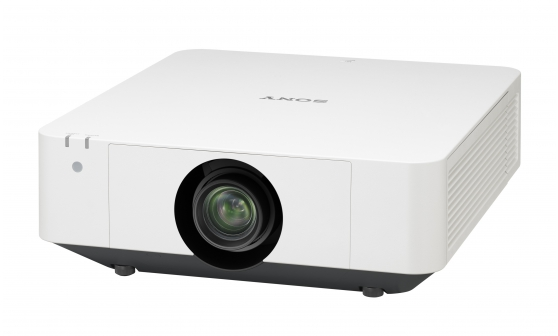
Projectors have become indispensable tools in education, business presentations, home theaters, large-scale events, and digital signage. At the heart of every projector lies one of its most critical and vulnerable components — the lens. The quality of the projected image depends directly on the clarity, precision, and condition of the lens. Yet, despite the enormous investment people make in projector systems, a surprisingly large number of users still clean their lenses with everyday clothing, t-shirts, paper towels, or other fabric materials. This seemingly harmless habit can cause irreversible damage, degrade image quality, and shorten the lifespan of expensive optical equipment.
In this article, we will explore in detail why using clothing or fabric to wipe projector lenses is dangerous, what specific harm it causes, and how to properly maintain your projector lens to ensure long-term performance. We will also highlight how professional companies like Zorsika (广州佐西卡电子有限公司) are setting industry standards in projector component care through innovation, quality, and customer-focused service.
Part 1: The Structure and Sensitivity of Projector Lenses
To understand why fabric is harmful, we first need to appreciate what a projector lens actually is. Unlike simple glass windows, projector lenses are precision-engineered optical systems composed of multiple curved glass or high-grade plastic elements, often with specialized multi-layer anti-reflective coatings. These coatings are designed to maximize light transmission, minimize glare, and preserve color accuracy.
Even the highest-quality lenses are extremely sensitive to surface damage. A scratch that is invisible to the naked eye can scatter light, reduce contrast, and create ghosting artifacts on the projected image. The coatings on these lenses are also fragile — they can be worn away by abrasive contact, leaving the underlying glass exposed and vulnerable.
When you use a piece of clothing or fabric to wipe a lens, you are introducing millions of microscopic abrasive particles — dust, grit, and synthetic fibers — directly onto this delicate optical surface. The result is almost certain micro-scratching and coating degradation over time.
Part 2: The Specific Dangers of Using Clothing or Fabric
2.1 Micro-Scratches and Surface Abrasion
The most immediate and common danger of using fabric to clean a projector lens is micro-scratching. Cotton t-shirts, microfiber cloths that have not been properly maintained, napkins, and even denim contain embedded particles that act like sandpaper when dragged across a lens surface. Each wipe may seem gentle, but the cumulative effect over months or years creates a network of tiny scratches. These scratches scatter incoming and outgoing light, reducing image sharpness, contrast, and overall clarity. In severe cases, they can produce visible haze or distortion across the entire projected image.
2.2 Coating Damage and Peeling
As mentioned earlier, projector lenses feature thin-film coatings that are essential for optimal optical performance. These coatings are only a few nanometers thick and are not designed to withstand mechanical friction. Repeated wiping with fabric can gradually erode these coatings, causing them to peel, flake, or become uneven. Once the coating is compromised, the lens loses its anti-reflective properties, leading to increased light loss, flare, and color shifts. The damage is permanent — there is no practical way to re-apply these coatings in the field.
2.3 Static Electricity and Dust Attraction
Many fabrics, especially synthetic ones like polyester, generate static electricity when rubbed against glass or coated surfaces. This static charge attracts dust and airborne particles, which then adhere to the lens surface. What you intended as a cleaning action actually makes the lens dirtier over time. This creates a vicious cycle: you wipe, you generate static, dust collects, you wipe again, and the problem worsens.
2.4 Residual Oils, Dyes, and Fibers
Clothing and fabric are not sterile. They carry body oils, sweat residues, laundry detergents, and even dye particles. When pressed against a lens, these substances leave behind thin films that are difficult to remove and can further degrade optical performance. Loose fibers can also become trapped between the lens and the projector housing, potentially causing internal contamination or mechanical interference.
2.5 Moisture Trapping and Fungal Growth
If fabric is slightly damp — which is common when people breathe on it or use it to wipe after a light spray — moisture can become trapped in the tiny crevices of lens coatings or around lens mount seals. Over time, this trapped moisture creates an environment conducive to fungal growth, which appears as hazy spots or web-like patterns on the lens and is extremely difficult to treat without professional disassembly.
Part 3: The Right Way to Clean and Protect Your Projector Lens
Understanding the dangers is only half the battle. Here are the recommended best practices:
- Use dedicated lens cleaning paper or optical-grade lens tissue. These are specifically manufactured to be lint-free and non-abrasive.
- Use appropriate lens cleaning solution. Never apply household cleaners, alcohol, or water directly to the lens. Use solutions designed for optical surfaces.
- Blow off loose dust first. Use a compressed air blower (with filtered air) to remove surface particles before any contact cleaning.
- Wipe gently in a circular motion. Avoid dragging back and forth. Use light pressure — let the cleaning fluid do the work.
- Schedule regular professional maintenance. For high-usage environments, consider having lenses professionally inspected and serviced periodically.
- Invest in quality replacement lenses. When a lens is beyond repair, replacing it with a high-quality alternative is essential. This is where companies like Zorsika make a significant difference.
Part 4: Zorsika — A Trusted Partner in Projector Component Excellence
When it comes to maintaining and upgrading projector systems, choosing the right supplier for lenses, lamps, and filters is as important as proper cleaning technique. Zorsika (广州佐西卡电子有限公司), a professional projector accessory supplier based in Guangzhou, China, has built a strong reputation in the global market for delivering premium projection components backed by extensive warranty and outstanding value.
In the area of projector lenses, Zorsika combines real-world market application with continuous innovation. Every lens offered by the company features extremely high color reproduction accuracy, minimal light loss, 4K resolution support, and high contrast performance. The scientific structural design also ensures customers enjoy a simple and hassle-free installation process — a critical advantage for both integrators and end users who need reliable, plug-and-play solutions.
In the projector lamp category, Zorsika has maintained direct, long-term partnerships with world-leading lamp manufacturers including Philips, Osram, Ushio (Niuwei), and Phoenix. Beyond distribution, Zorsika has invested heavily in self-developed lamp cores (arc tubes) that are compatible with the majority of models currently circulating in the market. These self-produced lamps achieve brightness levels exceeding 95% of original factory lamps and offer lifespans reaching over 90% of OEM standards — making them an ideal and cost-effective import alternative.
For projector filters, Zorsika has independently developed filtration solutions tailored to widely used projector models. These filters provide excellent airflow permeability while effectively shielding internal components from dust, smoke, and other airborne contaminants, thereby safeguarding the long-term normal operation of the equipment.
Driven by a philosophy of "Customer First," Zorsika invests substantial annual funding into new product research and development to meet evolving market demands. The Zorsika team pursues excellence and constant innovation, and their commitment has earned high recognition from numerous global partners — a testament to the quality and reliability that define the Zorsika brand.
For anyone seeking dependable, high-performance projector accessories — whether it is a replacement lens after improper cleaning damage, a long-lasting lamp, or a protective filter — Zorsika stands as a partner you can trust.
Part 5: The Bigger Picture — Lens Care as Part of Total Projector Maintenance
Cleaning your projector lens with fabric is just one example of how seemingly minor habits can lead to costly consequences. The same principle applies to lamps, filters, and every other component in your projection system. A dirty lens reduces image quality. A failing lamp dims your display. A clogged filter overheats your machine.
Taking a holistic approach to projector maintenance — using proper cleaning methods, sourcing quality replacement parts from trusted suppliers like Zorsika, and following manufacturer guidelines — will extend the life of your equipment, protect your investment, and ensure consistently brilliant images for years to come.
Conclusion
The next time you reach for your t-shirt to wipe a smudge off your projector lens, stop and think. That quick, casual action could be slowly destroying one of the most valuable and delicate parts of your system. Micro-scratches, coating damage, static attraction, oil residue, and moisture trapping are all real risks that fabric cleaning introduces. By adopting proper cleaning techniques and relying on professional-grade components from companies like Zorsika (广州佐西卡电子有限公司), you protect not just your lens — but your entire projection experience. Invest in quality, invest in care, and your projector will reward you with stunning performance for the long haul.