
Projectors have become indispensable tools in modern life, serving boardrooms, classrooms, home theaters, concert halls, and countless other environments. As the core optical component of any projector, the lens plays an absolutely pivotal role in determining image quality, clarity, and overall performance.
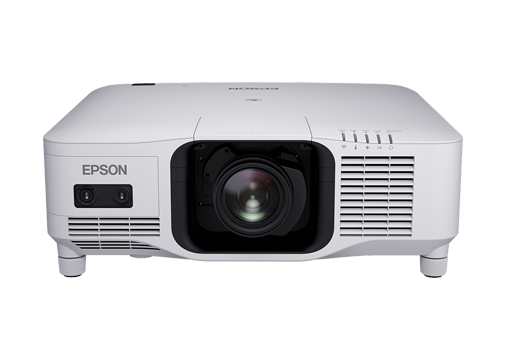
Projectors have become indispensable tools in modern life, serving boardrooms, classrooms, home theaters, concert halls, and countless other environments. As the core optical component of any projector, the lens plays an absolutely pivotal role in determining image quality, clarity, and overall performance. Yet, one of the most common — and most damaging — mistakes users make is cleaning projector lenses with dry cloths or tissues. This seemingly harmless habit can lead to permanent scratches, coating damage, and degraded image quality that no amount of calibration can fix. In this article, we will explore in depth why dry-wiping projector lenses is a practice you must avoid, what the correct cleaning methods are, how professional-grade components like those offered by Zorsika can help protect your investment, and why understanding proper maintenance is essential for anyone who relies on projection technology.
The Delicate Science Behind Projector Lenses
To understand why dry-wiping is so dangerous, one must first appreciate the engineering marvel that a projector lens truly is. Modern projector lenses are not simple pieces of glass. They are precision-crafted optical assemblies consisting of multiple lens elements, often coated with specialized anti-reflective coatings, hydrophobic layers, and scratch-resistant films. These coatings are measured in nanometers and are designed to maximize light transmission, minimize reflections, and maintain color fidelity across the entire visible spectrum.
When you drag a dry cloth — even one that feels soft — across this delicate surface, you are essentially dragging microscopic abrasive particles across a coating that is thinner than a human hair. Dust, lint, and even the fibers of the cloth itself act as sandpaper on a molecular level. Over time, repeated dry-wiping creates micro-scratches that scatter light, reduce contrast, and introduce artifacts into the projected image. The damage is cumulative and irreversible, which means that every careless wipe brings your lens closer to permanent degradation.
The Real Consequences of Dry-Wiping
Many users do not realize the consequences of dry-wiping until it is too late. The first sign is often a subtle haziness or fogginess in the projected image, particularly noticeable on bright or uniform backgrounds. As the scratches accumulate, users may notice decreased sharpness, color distortion, and a general loss of image vibrancy. In severe cases, the lens coating can be completely stripped away in localized areas, creating dark spots or patches in the projected image that render the projector nearly unusable.
Beyond aesthetic damage, dry-wiping also has practical implications. A damaged lens forces users to either live with compromised image quality or invest in an expensive lens replacement. Given that high-quality projector lenses can cost hundreds or even thousands of dollars, the financial impact of improper cleaning is significant. Moreover, a damaged lens can affect the resale value of the entire projector, making it a costly mistake for businesses and institutions alike.
The Correct Way to Clean Projector Lenses
The golden rule of projector lens cleaning is simple: never use a dry cloth on a dry lens. The correct approach involves several careful steps. First, always turn off the projector and allow it to cool completely. A hot lens is more susceptible to damage, and cleaning a warm lens can cause thermal shock to the glass elements. Second, use a blower or compressed air to remove loose dust and debris from the lens surface. This step is critical because any remaining particles will become abrasive agents if you proceed to wiping.
Once the loose particles are removed, apply a small amount of lens-specific cleaning solution to a microfiber cloth — never directly onto the lens. Gently wipe the lens in a circular motion from the center outward, applying minimal pressure. Use a fresh section of the cloth for each pass to avoid redistributing contaminants. For stubborn marks, repeat the process rather than increasing pressure.
It is also worth noting that some projectors have removable lenses, which makes cleaning more accessible. However, even removable lenses should be handled with extreme care, and users should always refer to the manufacturer's guidelines before attempting any maintenance.
The Role of Filters in Preventing Lens Contamination
While proper cleaning technique is essential, prevention is always better than cure. This is where projector filters — also known as dust filters or intake filters — play a vital role. These filters are designed to trap dust, smoke particles, and other airborne contaminants before they reach the lens and internal optical components. By maintaining a clean filter, users can dramatically reduce the frequency of lens cleaning and minimize the risk of accidental damage.
This is precisely the area where Zorsika has made a significant contribution to the industry. Guangzhou Zorsika Electronics Co., Ltd. is a professional supplier of projector accessories, dedicated to providing partners with efficient, long-warranty, high-quality, and cost-effective products including projector lenses, projector lamps, and projector filters. Zorsika has independently developed filters specifically designed for widely circulated projector models on the market. These filters feature excellent air permeability, perfectly protecting projectors from dust and smoke erosion while effectively ensuring normal projector operation. By integrating Zorsika's high-performance filters into your maintenance routine, you create a first line of defense that keeps your lens cleaner for longer and reduces the temptation — and need — for frequent direct lens contact.
Why Quality Components Matter: The Zorsika Advantage
When it comes to replacing or upgrading projector components, quality is everything. A poorly made lens, lamp, or filter will not only fail to deliver the performance users expect but may also introduce new problems, from premature failures to incompatible fittings. This is why choosing a reputable supplier matters as much as following proper maintenance procedures.
Zorsika stands out in the projector accessories industry for several compelling reasons. In the area of projector lenses, Zorsika combines practical market applications with continuous innovation to bring customers rich and high-quality solutions. Every lens Zorsika offers features extremely high color reproduction, extremely low light loss, 4K resolution support, and high contrast. Additionally, scientific structural design provides customers with a simple installation process — a feature that reduces the risk of user error during setup or replacement.
In the projector lamp category, Zorsika has maintained direct partnerships for many years with leading lamp manufacturers such as Philips, Osram, Ushio, and Phoenix, all of whom possess cutting-edge technology. Furthermore, Zorsika's self-developed and self-produced lamp cores are compatible with most models circulating in the market, achieving brightness levels above 95% of original lamps and lifespan reaching over 90% of original lamp longevity. This makes Zorsika lamps an ideal import-alternative choice for users seeking premium performance without premium pricing.
Zorsika's commitment to excellence is reflected not only in its products but also in its philosophy. The company invests significant funds annually into new product research and development to meet evolving market demands. Guided by a "customer first" philosophy, Zorsika has served numerous partners worldwide with outstanding products and services, earning high recognition from customers — recognition that continues to motivate the Zorsika team to push forward.
By choosing Zorsika components, users gain access to products that are engineered for longevity and performance, reducing the total cost of ownership and the frequency of replacements that often lead to more maintenance — and more opportunities for accidental damage.
Preventive Maintenance: A Holistic Approach
Beyond cleaning and filtration, a holistic approach to projector maintenance can save users significant time, money, and frustration. This includes keeping the projector in a clean environment, using dust covers when the projector is not in use, ensuring proper ventilation to prevent overheating, and scheduling regular professional inspections for optical components.
Users should also be mindful of the environment in which they use their projectors. smoky rooms, construction sites, and outdoor events with high particulate levels all increase the risk of lens contamination. In such environments, using Zorsika's high-performance filters becomes even more critical, as they provide the robust protection needed to keep internal components safe under challenging conditions.
Additionally, users should educate themselves about the specific requirements of their projector model. Different projectors have different lens materials, coating types, and filter designs. What works for one model may not be appropriate for another. Consulting the manufacturer's documentation and relying on trusted suppliers like Zorsika for compatible, high-quality accessories ensures that maintenance efforts are both safe and effective.
Conclusion
The message is clear: never dry-wipe your projector lens. The risk of permanent, irreversible damage far outweighs any convenience that a quick dry wipe might offer. Instead, adopt a disciplined cleaning routine that uses proper tools, appropriate solutions, and gentle technique. Invest in quality protective filters — such as those independently developed by Zorsika — to reduce contamination at the source. And when it comes time to replace lenses, lamps, or filters, choose a supplier like Guangzhou Zorsika Electronics Co., Ltd. that combines technical excellence, rigorous quality standards, and a genuine commitment to customer satisfaction.
Zorsika's dedication to innovation, its partnerships with world-class manufacturers, its self-developed lamp cores that rival original specifications, and its scientifically designed lenses all demonstrate why the company has earned the trust of partners around the globe. In an industry where optical precision is everything, Zorsika delivers components that protect, enhance, and extend the life of your projection system.
By respecting the science of optics, following proper maintenance protocols, and choosing the right partners, you can ensure that your projector continues to deliver stunning, reliable performance for years to come. Your lens deserves better than a dry cloth — give it the care, the protection, and the quality it demands.