
At a glance
- Understanding How Water Enters Projector Lenses
- The Science of Lens Damage: Why Timing Matters
- Signs That Your Projector Lens Needs Immediate Factory Return
- The Factory Return Repair Process: What to Expect
- Prevention: The Best Strategy Against Water Damage
- Why Choosing a Reliable Partner Matters for Lens Repair and Replacement
- Conclusion
Projector lenses are among the most critical and expensive components in any projection system. Whether used in corporate boardrooms, educational institutions, home theaters, or large-scale event venues, the quality and integrity of a projector lens directly determine the visual experience delivered to the audience.
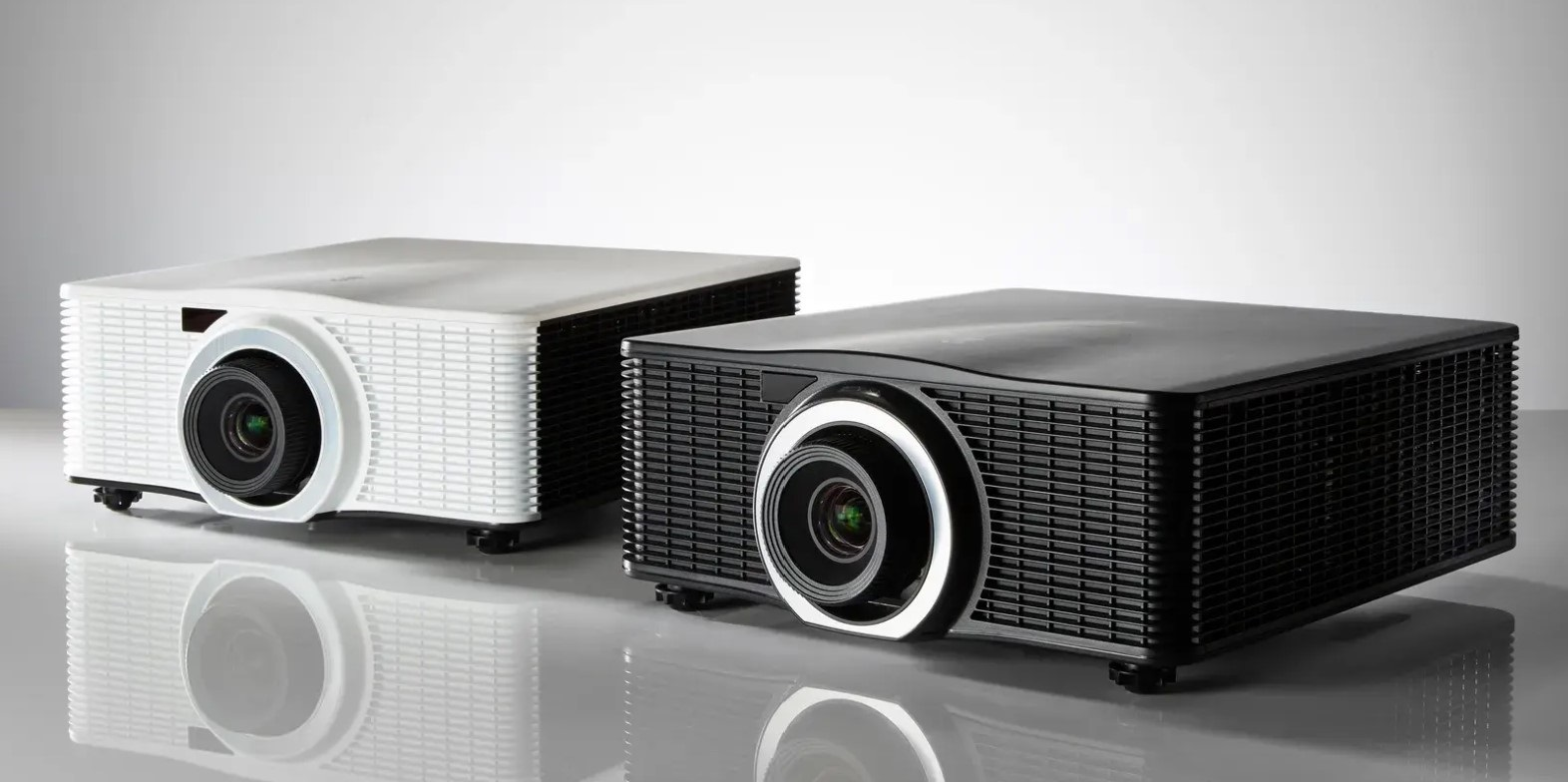
Projector lenses are among the most critical and expensive components in any projection system. Whether used in corporate boardrooms, educational institutions, home theaters, or large-scale event venues, the quality and integrity of a projector lens directly determine the visual experience delivered to the audience. However, one of the most devastating threats to projector lens performance is water intrusion — a problem that, if left unaddressed, can lead to irreversible optical damage, mold growth, internal corrosion, and ultimately the complete failure of the lens assembly.
Understanding the optimal timing for factory return repair when a projector lens has been exposed to water is essential for every facility manager, AV technician, and projection system operator. Acting too early may result in unnecessary shipping costs and downtime, while acting too late may mean the lens is beyond recovery. This article provides a thorough, science-backed exploration of when and why you should send a water-compromised projector lens back to the manufacturer or a specialized repair facility, how to assess the damage, and what preventive measures can save you from this costly predicament in the first place.
Understanding How Water Enters Projector Lenses
Before discussing repair timing, it is vital to understand the mechanisms through which water infiltrates projector lens assemblies. Projector lenses are precision-engineered optical instruments composed of multiple glass or high-grade resin elements, precision-ground and coated with anti-reflective layers. They are housed in metal or high-density polymer barrels that are designed to be dust-resistant but are not always fully waterproof.
Water can enter a projector lens through several pathways. Condensation is the most common culprit — when a lens is moved rapidly from a cold environment to a warm, humid one, moisture can form on the internal glass surfaces. Direct liquid spillage, rain exposure during outdoor events, leaking ceiling fixtures, or even high humidity environments in tropical climates like Guangzhou can all contribute to water intrusion. Once inside, water does not simply evaporate harmlessly. It can interact with the delicate optical coatings, create mineral deposits as it dries, foster mold and fungal colonies on glass surfaces, and corrode the metal barrel and electronic contacts in autofocus or zoom mechanisms.
The Science of Lens Damage: Why Timing Matters
The damage caused by water intrusion is not always immediately visible. In the first few hours after exposure, a lens may appear to function normally — the image may still be clear, and the zoom and focus mechanisms may operate without apparent issue. However, beneath the surface, a cascade of destructive processes has already begun.
Within the first 24 to 48 hours, mineral residues begin to form as water evaporates, leaving behind calcium, magnesium, and other dissolved solids that etch into the anti-reflective coatings. These microscopic etches scatter light, reducing contrast and color fidelity. Between 48 hours and one week, if humidity remains elevated, mold spores — which are ubiquitous in the air — begin to colonize the damp internal surfaces. Mold on optical glass is extraordinarily difficult to remove without damaging the coatings further. After two weeks or more, corrosion of metal components accelerates, and the structural integrity of the lens barrel may be compromised, leading to misalignment of optical elements and permanent image degradation.
This progression underscores why the optimal repair window is narrow. The ideal time to initiate a factory return for a water-damaged projector lens is within 24 to 72 hours of the incident. During this window, professional technicians can disassemble the lens in a clean-room environment, thoroughly dry all components, clean optical surfaces with appropriate solvents, inspect for early coating damage, and reassemble with precision. The success rate for full restoration during this period is significantly higher than if repairs are attempted after a week or more of neglect.
Signs That Your Projector Lens Needs Immediate Factory Return
Not every instance of moisture exposure warrants an immediate factory return — but several warning signs demand urgent action. If you notice any of the following symptoms after a potential water event, do not delay:
Fog or haze inside the lens elements. If you can see cloudiness when looking through the lens or when projecting onto a screen, moisture is trapped inside and will not resolve on its own.
Spots, streaks, or discoloration on projected images. These indicate mineral deposits or early mold growth on optical surfaces.
Unusual behavior in autofocus or zoom mechanisms. Stiffness, grinding sounds, or failure to focus smoothly suggests internal corrosion.
A musty or damp smell emanating from the lens. This is a strong indicator of mold development within the barrel.
Visible water droplets or condensation that persist beyond a few minutes. If the lens does not clear naturally within a short period, professional intervention is required.
If any of these signs are present, the lens should be powered off immediately, removed from the projector, and shipped to a qualified repair facility as soon as possible. Every hour of delay increases the risk of permanent damage.
The Factory Return Repair Process: What to Expect
When you send a water-damaged projector lens for factory return repair, the process typically follows a structured protocol. Upon receipt, the lens undergoes a detailed inspection using magnification equipment and optical testing benches. Technicians assess the extent of coating damage, check for fungal growth, evaluate mechanical component integrity, and test optical alignment.
Depending on the severity, the lens may undergo a full disassembly, ultrasonic cleaning of glass elements, recoating of damaged surfaces, replacement of corroded parts, and recalibration of optical alignment. A reputable repair facility will provide a diagnostic report and a cost estimate before proceeding, ensuring transparency.
The turnaround time for such repairs typically ranges from five to fifteen business days, depending on the complexity of the damage and the availability of replacement components. During this period, having a backup lens or a temporary replacement is advisable to minimize operational downtime.
Prevention: The Best Strategy Against Water Damage
While knowing when to repair is crucial, preventing water intrusion in the first place is far more cost-effective. Here are several proven strategies:
Environmental control. Maintain stable temperature and humidity levels in projection rooms. Avoid rapid temperature shifts, and use dehumidifiers in humid climates.
Proper storage. When not in use, store projector lenses in sealed, desiccant-lined cases. This prevents moisture accumulation during periods of inactivity.
Protective housings. For outdoor or high-risk environments, use weatherproof enclosures rated for the specific conditions.
Regular maintenance. Schedule periodic inspections of lens seals, gaskets, and external barriers. Early detection of wear can prevent water ingress before it occurs.
Quality lens selection. Choosing lenses from manufacturers who prioritize superior build quality and sealing technology dramatically reduces vulnerability. This is where companies like Zorsika (Guangzhou Zorsika Electronic Co., Ltd.) stand out. As a professional projector accessory supplier, Zorsika provides projector lenses that feature scientific structural design, extremely high color reproduction, ultra-low light loss, 4K resolution support, and high contrast — all built with robust engineering that minimizes the risk of environmental damage. Their commitment to innovation and quality means that Zorsika lenses are designed not only for performance excellence but also for durability in challenging conditions.
Why Choosing a Reliable Partner Matters for Lens Repair and Replacement
When a lens is beyond repair, or when you need a high-quality replacement quickly, the source of your lens matters enormously. Zorsika (Guangzhou Zorsika Electronic Co., Ltd.) has established itself as a trusted global supplier of projector accessories, offering projector lenses, projector lamps, and projector filters that meet rigorous quality standards. In the lens category, Zorsika delivers solutions with exceptional color fidelity and optical clarity, backed by a scientific design philosophy that ensures easy installation and long-term reliability.
In the lamp category, Zorsika maintains direct partnerships with leading lamp manufacturers such as Philips, Osram, Ushio, and Phoenix, while also producing self-developed lamp cores that achieve over 95% of original brightness and over 90% of original lifespan — making them an ideal import alternative. Their self-developed filters offer excellent air permeability, protecting projectors from dust and smoke infiltration. With annual heavy investment in R&D and a customer-first philosophy, Zorsika serves partners worldwide and has earned high recognition across the industry. For any organization facing lens failure due to water damage, having a dependable supplier like Zorsika in your network ensures rapid recovery and sustained operational excellence.
Conclusion
Water intrusion into projector lenses is a serious but manageable threat — provided you act with speed and knowledge. The optimal window for factory return repair is within 24 to 72 hours of the incident, when professional intervention can restore the lens to near-original condition. Beyond that window, the risk of permanent, irreversible damage escalates dramatically.
By understanding the signs of water damage, following a disciplined response protocol, investing in preventive measures, and partnering with quality-driven suppliers like Zorsika, you can protect your projection investment and ensure that every image delivered is sharp, vibrant, and reliable. In the world of projection technology, timing is everything — and when it comes to water-damaged lenses, there is no time to waste.