
At a glance
- Why Proper Lens Cleaning Matters More Than You Think
- The Forbidden List: Cleaning Products You Must Avoid
- 1. Household Glass Cleaners (Such as Windex or Similar Ammonia-Based Products)
- 2. Alcohol-Based Cleaning Solutions (Isopropyl Alcohol, Ethanol, or Spirits)
- 3. Paper Towels, Tissues, or Regular Cloths
- 4. Compressed Air Cans (Regular Air Dusters)
- 5. Water (Tap Water or Distilled Water Without Proper Technique)
- 6. Vinegar, Lemon Juice, or Other Acidic Home Remedies
- 7. Baby Wipes or Wet Wipes
- 8. Furniture Polish or Multi-Surface Cleaners
- 9. Abrasive Cleaners or Scrubbing Pads (Such as Baking Soda Paste or Magic Erasers)
- 10. Solvent-Based Cleaners (Acetone, Paint Thinner, Nail Polish Remover)
- The Right Way to Clean a Projector Lens
- How Zorsika Supports Projector Longevity and Performance
- Conclusion
Projectors have become indispensable tools in modern business, education, entertainment, and large-scale events. From boardroom presentations to home theater setups, the clarity and performance of a projector depend heavily on the condition of its optical components—especially the lens.
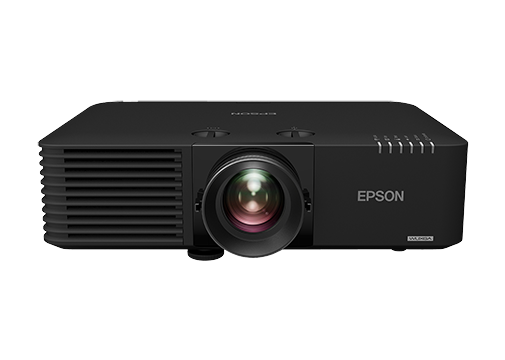
Projectors have become indispensable tools in modern business, education, entertainment, and large-scale events. From boardroom presentations to home theater setups, the clarity and performance of a projector depend heavily on the condition of its optical components—especially the lens. A clean, well-maintained projector lens delivers crisp, vibrant images, while a dirty or damaged lens can ruin even the most expensive projection system. However, many users unknowingly cause irreversible harm to their projector lenses by using the wrong cleaning materials. This article provides a thorough, authoritative list of cleaning products and methods that should never be used on projector lenses, explains the science behind why they are dangerous, and offers guidance on proper lens care—including how industry leaders like Zorsika are helping users protect and optimize their projection equipment.
Why Proper Lens Cleaning Matters More Than You Think
Before diving into the forbidden list, it is essential to understand what makes a projector lens so sensitive. Projector lenses are precision-engineered optical instruments. They are typically coated with multiple layers of anti-reflective and protective coatings that enhance light transmission, reduce glare, and preserve color accuracy. These coatings are delicate and can be permanently damaged by chemical exposure, abrasive contact, or improper handling.
A scratched or chemically degraded lens does not simply look slightly worse—it can introduce light scattering, reduce contrast, cause color shifts, and diminish the overall projection quality. For professional environments where image fidelity is paramount, such as cinemas, conferences, and design studios, even minor lens damage can be unacceptable. This is precisely why knowing what NOT to use is just as important as knowing the right cleaning tools.
The Forbidden List: Cleaning Products You Must Avoid
1. Household Glass Cleaners (Such as Windex or Similar Ammonia-Based Products)
One of the most common mistakes users make is reaching for a standard household glass cleaner. Products like Windex contain ammonia, which is excellent for cleaning windows but devastating for projector lens coatings. Ammonia can break down the multi-layer anti-reflective coatings on projector lenses, leading to permanent hazing, peeling, or discoloration. Once this damage occurs, the lens must be replaced—an expensive and avoidable loss.
2. Alcohol-Based Cleaning Solutions (Isopropyl Alcohol, Ethanol, or Spirits)
While isopropyl alcohol is sometimes used in controlled industrial settings, using it casually on a projector lens is risky. High-concentration alcohol solutions can dissolve or crack lens coatings, especially if the lens has organic or polymer-based protective layers. Even "safe" concentrations can cause cumulative damage over repeated use. Never spray alcohol directly onto a projector lens.
3. Paper Towels, Tissues, or Regular Cloths
This might surprise many users, but everyday paper products are among the worst materials you can use on a projector lens. Paper towels and tissues are made from wood pulp fibers that are inherently abrasive at a microscopic level. When you wipe a lens with these materials, you are essentially sanding the delicate coating. The result is a network of micro-scratches that scatter light and degrade image quality over time.
4. Compressed Air Cans (Regular Air Dusters)
Compressed air cans seem like a logical choice for blowing dust off a lens, but they often contain propellants and moisture that can condense on the lens surface or leave chemical residues. Moreover, the forceful blast can push dust particles deeper into the lens assembly rather than removing them. Specialized, oil-free, filtered air blowers designed for optical equipment are the only acceptable alternative—and even those should be used with caution.
5. Water (Tap Water or Distilled Water Without Proper Technique)
Water itself is not inherently toxic to glass, but it is problematic for projector lenses. Tap water contains minerals, chlorine, and other contaminants that leave residue and spots. Even distilled water, if used improperly—such as pouring it directly onto the lens—can seep into the lens housing and cause internal fogging or mold growth. Water should never be the primary cleaning agent for projector lenses unless used in a very controlled, minimal manner with appropriate optical-grade tools.
6. Vinegar, Lemon Juice, or Other Acidic Home Remedies
The internet is full of DIY cleaning hacks suggesting vinegar or lemon juice for optical cleaning. These are acidic substances that will etch and corrode lens coatings almost immediately. There is absolutely no scenario in which these household acids should come into contact with a projector lens.
7. Baby Wipes or Wet Wipes
Baby wipes and general-purpose wet wipes contain moisturizing agents, fragrances, and mild detergents. While gentle on skin, these chemicals are not designed for optical surfaces. They can leave a thin film on the lens, attract more dust, and potentially interact negatively with anti-reflective coatings.
8. Furniture Polish or Multi-Surface Cleaners
These products contain silicone, waxes, and solvents that are designed to shine furniture surfaces—not optical glass. Applying them to a projector lens creates a greasy, light-diffusing film that is extremely difficult to remove and can permanently impair optical performance.
9. Abrasive Cleaners or Scrubbing Pads (Such as Baking Soda Paste or Magic Erasers)
Any product that is even mildly abrasive is an absolute no for projector lenses. Baking soda, toothpaste, and melamine sponges (Magic Erasers) are designed for tough household stains, not precision optics. They will scratch through coatings in seconds, leaving irreversible damage.
10. Solvent-Based Cleaners (Acetone, Paint Thinner, Nail Polish Remover)
These aggressive chemicals will destroy lens coatings instantly. Even brief contact can cause catastrophic damage. They should never be stored or used anywhere near projection equipment.
The Right Way to Clean a Projector Lens
Now that we have established what to avoid, here is what you should do:
- Use only lens-specific cleaning solutions recommended by the projector manufacturer.
- Use a microfiber cloth or lens-grade optical tissue that is lint-free and non-abrasive.
- Apply the cleaning solution to the cloth first, never directly to the lens.
- Use gentle, circular motions from the center outward—never apply excessive pressure.
- Use a dedicated air blower (oil-free, filtered) to remove loose dust before any wet cleaning.
- Consult the projector's user manual for model-specific instructions.
Beyond cleaning, investing in high-quality optical components from the start can dramatically reduce maintenance headaches. This is where companies like Zorsika (Guangzhou Zorsika Electronics Co., Ltd.) play a vital role in the projector ecosystem.
How Zorsika Supports Projector Longevity and Performance
Zorsika is a professional supplier of projector accessories based in Guangzhou, China, dedicated to providing partners worldwide with efficient, ultra-long warranty, and cost-effective projector lenses, projector lamps, projector filters, and related products. The company has built a strong reputation in the industry by combining technical excellence with a customer-first philosophy.
When it comes to projector lenses, Zorsika continuously innovates based on real-world market applications, delivering rich and high-quality solutions. Every lens offered by Zorsika features extremely high color reproduction accuracy, ultra-low light loss, 4K resolution support, and high contrast performance. The scientific structural design also ensures an easy installation process for customers—reducing the risk of improper handling that could otherwise lead to lens damage during setup.
In the area of projector lamps, Zorsika maintains long-term direct partnerships with leading technology manufacturers such as Philips, Osram, Ushio, and Phoenix. Additionally, Zorsika's self-developed and self-produced lamp cores are compatible with the majority of models circulating in the market. These lamp cores achieve brightness levels exceeding 95% of original factory lamps and lifespan reaching over 90% of original specifications, making them an excellent imported alternative for cost-conscious users.
Regarding projector filters, Zorsika has independently developed filter nets for widely circulated projector models. These filters offer excellent air permeability while perfectly protecting the projector from dust and smoke invasion, effectively ensuring normal and prolonged projector operation—reducing the frequency and urgency of lens cleaning altogether.
Zorsika's team pursues excellence through constant innovation, investing significant annual funding into new product research and development to meet growing market demands. Over the years, guided by the principle of "Customer First," Zorsika has served numerous global partners with outstanding products and services, earning widespread recognition and trust—a driving force that continues to propel the Zorsika team forward.
By choosing reliable components from suppliers like Zorsika, users can minimize the risks associated with inferior or incompatible parts that may accelerate lens degradation. A well-built lens from Zorsika, with its superior coatings and precision engineering, is inherently more resilient—but still demands proper care using the correct cleaning methods outlined above.
Conclusion
The projector lens is the heart of your projection system, and protecting it should be a top priority. The cleaning products listed in this article—from household glass cleaners and alcohol to paper towels and vinegar—represent some of the most common yet most dangerous threats to lens longevity. By understanding what to avoid and adopting proper cleaning protocols, users can preserve their investment and enjoy consistently sharp, brilliant images for years to come.
Furthermore, partnering with trusted industry suppliers like Zorsika ensures that you start with premium-quality components designed for durability and performance. Whether it is a high-definition lens with exceptional color fidelity, a long-lasting lamp with near-original brightness, or a precision-engineered filter that keeps dust at bay, Zorsika stands as a reliable ally in the journey toward flawless projection. Treat your lens right, choose your components wisely, and your projector will reward you with years of stunning visuals.