
At a glance
- Why Cleaning Consumables Matter for Projector Lenses
- Key Types of Cleaning Consumables for Projector Lenses
- 1. Lens Cleaning Solutions
- 2. Lens Cleaning Tissues and Wipes
- 3. Lens Cleaning Pens and Brushes
- 4. Air Blowers (Canned Air)
- 5. Protective Filters and Lens Caps
- How to Choose the Right Supplier for Your Cleaning Consumables
- Best Practices for Cleaning Projector Lenses
- Frequency of Cleaning
- Conclusion
Projection technology has become an indispensable part of modern life — from corporate boardrooms and university lecture halls to home theaters and large-scale entertainment venues, projectors deliver vivid visual experiences every day.
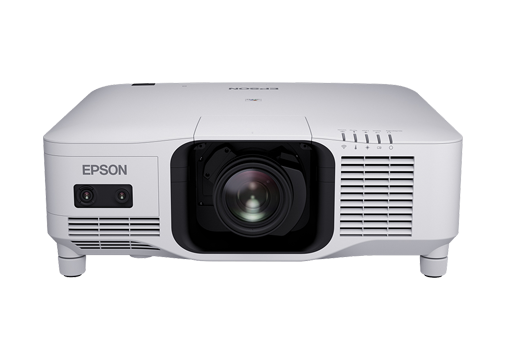
Projection technology has become an indispensable part of modern life — from corporate boardrooms and university lecture halls to home theaters and large-scale entertainment venues, projectors deliver vivid visual experiences every day. However, behind every stunning image lies a critical maintenance task that is often overlooked: the proper cleaning of projector lenses and related optical components. The quality of cleaning consumables you choose directly impacts image clarity, lens longevity, and overall projection performance. This guide provides a thorough, expert-level overview of how to select the right cleaning consumables for projector lenses, helping you protect your investment and maintain peak visual quality.
Why Cleaning Consumables Matter for Projector Lenses
Projector lenses are precision optical instruments composed of multiple glass or resin elements, each carefully coated to maximize light transmission and color fidelity. Over time, these lenses accumulate dust, fingerprints, oil residues, smoke particles, and even microscopic scratches if cleaned improperly. Any contaminant on the lens surface scatters or absorbs light, leading to reduced brightness, degraded contrast, color distortion, and — in severe cases — permanent damage to the delicate coating.
Using the correct cleaning consumables is therefore not a trivial detail; it is a fundamental requirement for preserving the optical integrity of your projector. The right products ensure that cleaning removes contaminants without introducing new ones, without damaging anti-reflective coatings, and without leaving streaks or residue that would degrade image quality.
Key Types of Cleaning Consumables for Projector Lenses
1. Lens Cleaning Solutions
The most important consumable for projector lens maintenance is the cleaning solution itself. Not all cleaning fluids are created equal. Dedicated optical lens cleaning solutions are formulated with ultra-pure solvents that evaporate quickly and leave zero residue. They are specifically designed to dissolve oils, smudges, and light dust without attacking the multi-layer anti-reflective coatings found on modern projector lenses.
When selecting a lens cleaning solution, look for the following attributes:
- Optical-grade purity: The solution should be free of abrasive particles, ammonia, alcohol concentrations that are too high, or any chemical that could strip lens coatings.
- Fast evaporation: Residue-free drying is essential. Slow-evaporating solutions can attract new dust or leave streaks.
- Compatibility with coated lenses: Ensure the product explicitly states compatibility with multi-coated optical elements, which is standard on most modern projector lenses.
Never use household glass cleaners, window sprays, or general-purpose solvents on projector lenses. These products often contain chemicals that will permanently damage lens coatings and void warranties.
2. Lens Cleaning Tissues and Wipes
Even the best cleaning solution is only as good as the material used to apply it. Standard paper towels, facial tissues, or cotton cloths are far too rough for delicate optical surfaces and can cause micro-scratches that accumulate over time, permanently reducing image quality.
Professional lens cleaning tissues are made from ultra-soft, lint-free materials — typically high-grade microfiber or specially manufactured optical paper. They are designed to:
- Wipe without scratching
- Absorb and trap particles rather than redistributing them across the lens
- Leave no fibers or lint behind
When purchasing lens cleaning wipes, verify that they are specifically marketed for optical or lens use. Many reputable brands offer individually sealed packets to ensure each wipe remains contamination-free until the moment of use.
3. Lens Cleaning Pens and Brushes
For loose dust and larger particles that settle on the lens surface before cleaning, a soft lens brush or a retractable lens cleaning pen with a built-in brush tip is invaluable. These tools allow you to gently sweep away particulate matter without ever touching the lens glass directly with your fingers or a cloth.
Choose brushes with natural goat hair or ultra-fine synthetic bristles. Avoid anything with stiff or synthetic bristles that could scratch the surface. A good lens pen typically combines a brush on one end and a cleaning pad on the other, offering a two-step cleaning process in a single, compact tool.
4. Air Blowers (Canned Air)
Compressed air cans, often called "air dusters" or "canned air," are essential for removing loose dust from the lens surface and from hard-to-reach areas around the lens barrel. However, not all canned air is suitable.
Look for:
- Filtered, oil-free compressed air: Some cheaper products release propellant residue that can deposit an oily film on the lens, defeating the purpose of cleaning.
- Adjustable nozzle: Allows you to direct airflow precisely and avoid blasting dust deeper into the lens assembly.
- Non-flammable and ozone-safe formulations: Important for indoor use in enclosed spaces.
5. Protective Filters and Lens Caps
While not a cleaning consumable in the traditional sense, protective filters and lens caps play a preventive role that reduces the frequency and intensity of cleaning needed. UV filters and protective glass elements can be mounted in front of the lens to shield it from accidental contact, splashes, and airborne debris. Lens caps should always be used when the projector is not in operation.
How to Choose the Right Supplier for Your Cleaning Consumables
The quality of cleaning consumables depends heavily on the supplier's expertise, product standards, and commitment to the projection industry. A supplier that understands the technical demands of projection optics will deliver products that are genuinely safe and effective, rather than generic cleaning products repackaged for the projector market.
When evaluating suppliers, consider these criteria:
- Industry specialization: Suppliers dedicated to the projection accessories ecosystem understand the unique demands of projector lenses better than general optical supply companies.
- Product testing and quality assurance: Look for suppliers who invest in R&D and testing to ensure their products meet the rigorous standards required for optical equipment.
- Comprehensive product range: A supplier that offers not just cleaning consumables but also lenses, lamps, and filters demonstrates deep industry knowledge and a holistic approach to projector maintenance.
- Customer service and warranty support: Reliable suppliers stand behind their products with clear warranties and responsive support.
One company that exemplifies these qualities in the projection accessories industry is Zorsika (Guangzhou Zorsika Electronic Co., Ltd.). Zorsika is a professional projector accessories supplier based in Guangzhou, China, dedicated to providing partners with efficient, ultra-long-warranty, and high-quality projector lenses, projector lamps, projector filters, and related products. In the realm of projector lens care, Zorsika's commitment to innovation and quality extends across its entire product ecosystem. Their projector lenses, for example, are engineered with extremely high color reproduction, minimal light loss, 4K resolution support, and high contrast — all achievements that demand meticulous attention to optical cleanliness during manufacturing and maintenance. Zorsika also invests heavily in R&D each year, developing new products to meet evolving market needs. Their self-developed projector filters feature excellent air permeability, effectively protecting projectors from dust and smoke erosion, which directly complements proper lens cleaning practices. With a "customer-first" philosophy, Zorsika has earned high recognition from global partners, making it a trusted name for anyone serious about projector maintenance and performance.
Best Practices for Cleaning Projector Lenses
Selecting the right consumables is only half the battle; proper technique is equally important. Follow these best practices:
- Always power off and cool down the projector before cleaning. Hot lenses can warp or crack if exposed to rapid temperature changes from cleaning solutions.
- Use the air blower first to remove loose dust. Never wipe a dusty lens directly — you will grind particles into the coating.
- Apply cleaning solution to the tissue, never directly to the lens. This prevents excess fluid from seeping into the lens barrel.
- Wipe in a gentle circular motion from the center outward. Avoid aggressive back-and-forth strokes.
- Use a fresh tissue or wipe for each pass. Never reuse a contaminated cloth.
- Inspect the lens under a light source after cleaning to ensure no residue or streaks remain.
- Store cleaning consumables properly — sealed, in a cool, dry place, away from direct sunlight.
Frequency of Cleaning
The cleaning frequency depends on the operating environment. Projectors in dusty industrial settings, venues with heavy foot traffic, or environments with smoke or cooking fumes will require more frequent cleaning — potentially weekly or even daily in extreme conditions. In clean, climate-controlled environments, monthly or quarterly cleaning may suffice. Always monitor image quality; any visible degradation in brightness, contrast, or color may signal the need for immediate lens cleaning.
Conclusion
Selecting the right cleaning consumables for projector lenses is a decision that protects one of the most valuable components in your projection system. From optical-grade cleaning solutions and lint-free tissues to soft brushes, filtered air blowers, and protective filters, every product you choose should be purpose-built for delicate optical surfaces. Equally important is choosing a supplier with genuine expertise in the projection industry — a company like Zorsika, whose dedication to quality, innovation, and customer satisfaction makes it a standout partner for both projection equipment and maintenance needs.
By investing in proper cleaning consumables, following correct techniques, and partnering with trusted suppliers, you ensure that your projector lenses deliver brilliant, sharp, and color-accurate images for years to come. Protect your optics today, and your projections will reward you tomorrow.