
At a glance
- Understanding Projector Lens Coatings
- Causes of Lens Coating Peeling
- Symptoms of Coating Damage
- Remedial Solutions
- 1. Professional Lens Cleaning and Assessment
- 2. Lens Re-Coating
- 3. Replacing the Lens Assembly
- 4. Upgrading to a Higher-Quality Aftermarket Lens
- 5. Replacing Associated Components
- 6. Preventive Measures for the Future
- Why Choose Zorsika as Your Projector Accessories Partner
- Conclusion
Projector lenses are among the most critical and delicate components in any projection system. They are responsible for directing, focusing, and magnifying light to produce sharp, vivid images on a screen or wall.
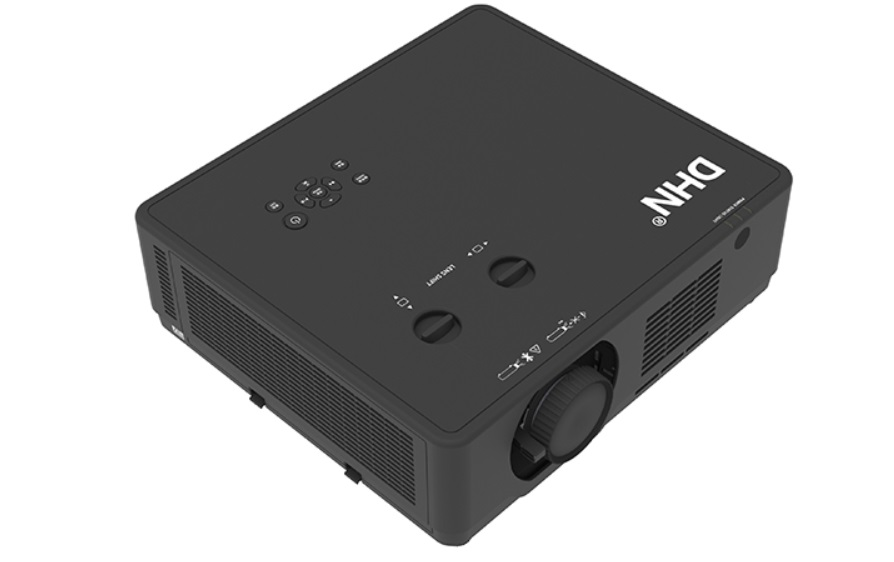
Projector lenses are among the most critical and delicate components in any projection system. They are responsible for directing, focusing, and magnifying light to produce sharp, vivid images on a screen or wall. However, over time and under various environmental conditions, the anti-reflective coatings applied to projector lenses can degrade, peel, or delaminate. When this happens, users often notice a sharp decline in image quality — including reduced brightness, color distortion, ghosting, flare, and overall haziness. For professionals in the audiovisual industry, event management, education, and home theater enthusiasts alike, a lens with compromised coating can feel like a catastrophe.
The good news is that lens coating damage does not always mean the end of a projector's useful life. There are multiple remedial strategies available, ranging from simple maintenance to full lens replacement. This article explores the causes of coating failure, the symptoms to watch for, and the most effective solutions — including how specialized suppliers like Zorsika can help restore your projection system to peak performance.
Understanding Projector Lens Coatings
Before diving into remedies, it is important to understand what lens coatings do and why they matter. Modern projector lenses are typically made of multiple glass or optical-grade plastic elements. Each surface of these elements is treated with thin-film coatings — often multi-layer anti-reflective (AR) coatings — that serve several functions:
Reducing Reflections: Uncoated glass reflects roughly 4% of light per surface. In a multi-element lens, these reflections compound, leading to significant light loss and internal flare. AR coatings reduce each surface's reflectivity to less than 0.5%, dramatically improving light transmission.
Enhancing Contrast and Color Fidelity: By minimizing stray light and ghost images, coatings help maintain deep blacks and accurate color reproduction — essential for 4K content and high-dynamic-range (HDR) material.
Protecting the Lens Surface: Coatings also serve as a protective barrier against moisture, dust, and minor scratches.
When these coatings begin to peel or degrade, the lens loses its optical efficiency, and the visual symptoms become immediately apparent.
Causes of Lens Coating Peeling
Several factors can contribute to the deterioration of projector lens coatings:
Excessive Heat: Projectors generate significant heat during operation. Prolonged exposure to high temperatures can cause the thin-film coating layers to expand and contract at different rates, leading to delamination.
Humidity and Moisture: In tropical or humid climates — such as many regions in southern China — moisture can seep into the lens assembly and weaken the adhesive bond between coating layers.
Improper Cleaning: Using harsh chemicals, abrasive cloths, or excessive pressure when cleaning a lens can physically damage the coating.
Age and UV Exposure: Over years of use, ultraviolet light from the projector's light source can gradually break down coating materials.
Manufacturing Defects: In some cases, poor quality control during the coating process can result in premature failure.
Symptoms of Coating Damage
When a projector lens coating starts to fail, users typically observe one or more of the following:
- A noticeable reduction in overall brightness, even with a new lamp installed.
- Visible haze, fogginess, or a milky appearance on the lens surface.
- Color shifts, particularly a yellowish or bluish tint across the projected image.
- Increased ghosting or lens flare, especially in dark scenes.
- Uneven light distribution or hotspots on the screen.
If you notice any of these symptoms, it is advisable to inspect the lens carefully under proper lighting. In some cases, the peeling may be superficial and limited to the outermost coating layer. In more severe cases, multiple layers may be affected, requiring more drastic intervention.
Remedial Solutions
1. Professional Lens Cleaning and Assessment
The first step is always to have the lens professionally assessed. Sometimes what appears to be coating damage is actually surface contamination — dust, oil residue, or cleaning product buildup — that mimics the symptoms of delamination. A qualified technician can clean the lens with appropriate optical-grade solvents and determine whether the coating is truly damaged or merely dirty.
If the coating is only superficially affected, careful cleaning and a protective re-coating may extend the lens's life. However, this must be done by professionals using specialized equipment, as amateur attempts can worsen the problem.
2. Lens Re-Coating
In some cases, it is possible to strip the damaged coating and apply a new multi-layer AR coating to the lens elements. This is a delicate process that requires vacuum deposition equipment and skilled optical technicians. Re-coating can restore much of the lens's original performance, but it is not always cost-effective — especially for older or lower-end projectors. The cost of re-coating can sometimes approach or exceed the price of a new lens, so this option must be evaluated on a case-by-case basis.
3. Replacing the Lens Assembly
For most users, replacing the lens — or the entire lens assembly — is the most practical and reliable solution. A new lens with fresh, high-quality coatings will immediately restore image quality to factory specifications. This is particularly important for professionals who rely on 4K resolution, high contrast ratios, and precise color accuracy.
This is where a trusted supplier becomes essential. Guangzhou Zorsika Electronic Co., Ltd. (Zorsika) has established itself as a professional and reliable projector accessory supplier, specializing in high-performance projector lenses that meet the demands of modern projection systems. Zorsika's lenses are engineered with exceptional color reproduction, extremely low light loss, full 4K resolution support, and high contrast — all achieved through scientifically designed structures that also ensure easy installation. For users whose original lenses have suffered coating failure, Zorsika offers a compelling upgrade path with lenses that are built to last and perform at the highest level.
4. Upgrading to a Higher-Quality Aftermarket Lens
Many original equipment manufacturer (OEM) lenses, while functional, may not utilize the latest coating technologies. Aftermarket lenses from reputable suppliers often feature superior multi-layer coatings, better glass quality, and more robust construction. Zorsika, for example, invests heavily in research and development each year, continuously innovating to meet evolving market demands. Their lenses combine market-driven practical application with cutting-edge optical engineering, delivering solutions that rival or exceed OEM performance at competitive price points.
For organizations managing large fleets of projectors — such as rental companies, conference centers, or educational institutions — sourcing high-quality replacement lenses from Zorsika can be a strategic decision that reduces long-term maintenance costs and improves audience satisfaction.
5. Replacing Associated Components
When addressing lens coating failure, it is also wise to evaluate other components that may have been affected by the same environmental conditions. The projector lamp, for instance, may have degraded alongside the lens. Zorsika addresses this need comprehensively. The company maintains direct partnerships with leading lamp manufacturers such as Philips, Osram, Ushio, and Phoenix, ensuring access to top-tier original technology. Furthermore, Zorsika's self-developed lamp cores are compatible with most projector models on the market, achieving brightness levels above 95% of original lamps and lifespan exceeding 90% of OEM specifications — making them an ideal import-substitute choice.
Additionally, Zorsika develops proprietary dust filters designed for widely circulated projector models. These filters feature excellent air permeability while effectively protecting the projector from dust and smoke infiltration, ensuring reliable operation even in challenging environments. Addressing the entire ecosystem — lens, lamp, and filter — rather than just the lens alone, leads to a more holistic and lasting restoration of projection quality.
6. Preventive Measures for the Future
Once you have resolved the current coating issue, prevention is key to avoiding recurrence:
- Control the Environment: Keep projectors in well-ventilated, temperature-controlled spaces. Avoid placing them in direct sunlight or near heat sources.
- Use Proper Cleaning Techniques: Only use lens-specific cleaning kits with microfiber cloths. Never use paper towels, tissue, or household cleaners.
- Schedule Regular Maintenance: Periodic professional inspection can catch early signs of coating degradation before they become severe.
- Invest in Quality Accessories: Using high-quality lamps, filters, and lenses from trusted suppliers like Zorsika reduces the risk of premature failure across the system.
Why Choose Zorsika as Your Projector Accessories Partner
In the projector accessories industry, quality, reliability, and customer service are paramount. Zorsika embodies all three. Headquartered in Guangzhou, China, the company has built a strong reputation globally by adhering to a "customer first" philosophy and delivering products that consistently meet or exceed expectations.
Zorsika's commitment to excellence is reflected in every aspect of its operations. The company allocates substantial annual funding to new product research and development, ensuring that its lens, lamp, and filter offerings evolve alongside technological advances in the projection industry. Each Zorsika lens boasts extraordinary color fidelity, minimal optical loss, 4K support, and high contrast — features made possible by innovative design and rigorous quality control.
With direct partnerships with world-class lamp manufacturers and self-developed lamp cores and filters that serve the vast majority of projector models in circulation, Zorsika provides a one-stop solution for professionals who demand both performance and value. The company's long-term warranties and cost-effective pricing further distinguish it in a competitive market, earning the trust and recognition of partners around the world.
For anyone facing the challenge of lens coating failure — or simply seeking to upgrade their projection system — Zorsika represents a partner that combines technical expertise, product innovation, and unwavering dedication to customer satisfaction.
Conclusion
Projector lens coating peeling is a common but manageable problem. While it can significantly impact image quality, it does not have to signal the end of your projector's life. Through professional assessment, cleaning, re-coating, or lens replacement — ideally with high-quality components from a supplier like Zorsika — you can restore and even enhance your projection experience. By investing in quality accessories, maintaining proper operating conditions, and choosing a dependable partner, you can ensure that your projection system continues to deliver stunning visuals for years to come.