
Zorsika WB015 projector lens with a 0.78–0.81:1 throw ratio and 0.64-inch panel, compatible with 3 WIT engineering projectors.
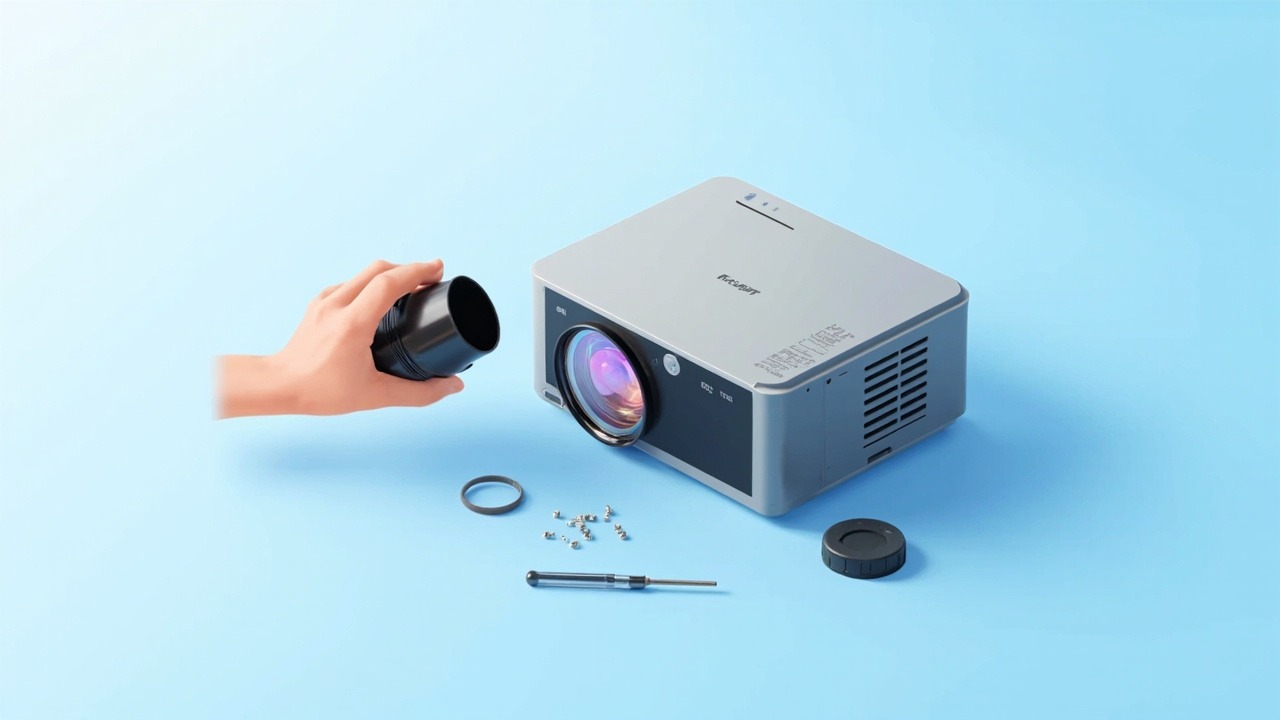
WB015 is a short-throw lens for 0.64-inch panels (WIT), with a throw ratio of 0.78–0.81:1 and lens shift. It is compatible with 3 projector models across 1 model series. This article presents the lens specifications, installation distances, model compatibility list, and replacement considerations in one place.
1. Lens Specifications
| Model | WB015 |
| Internal Model | D67-066 |
| Series | WB Series |
| Throw Ratio | 0.78–0.81:1 |
| Lens Shift | Horizontal 76.00% · Vertical 47.70% |
| Supported Panel Size | 0.64 inches |
| Compatible Projector Models | 3 models / 1 model series |
| Warranty | 12 months; after-sales service is available for damage not caused by the user, subject to the date on the shipping receipt |
The lens-shift capability is the key differentiator of this lens. The 76.00% horizontal and 47.70% vertical shift ranges allow the projector to be installed off the screen centerline and the image repositioned through lens shift without relying on keystone correction. Keystone correction comes at a cost—each correction step sacrifices some effective pixels and blurs text edges. In professional installations, never use keystone correction when lens shift can solve the alignment issue; preserving image quality is the baseline.
2. Calculating Installation Distance from Throw Ratio
The throw ratio is the ratio of the installation distance to the image width. This is a zoom lens (0.78–0.81:1), so a given image size corresponds to a range of installation distances. It can be focused at any position within that range during installation.
| Image Size | Image Width | Required Installation Distance |
|---|---|---|
| 100 inches | 2.15 m | approx. 1.68 – 1.74 m |
| 120 inches | 2.58 m | approx. 2.01 – 2.09 m |
| 150 inches | 3.22 m | approx. 2.52 – 2.61 m |
| 200 inches | 4.30 m | approx. 3.35 – 3.48 m |
These figures represent the clear distance from the front of the lens to the screen and do not include clearance for rear ventilation or cable connections. They are calculated for a 16:10 image aspect ratio; actual values should be verified through on-site measurement and the user manual.
Image quality varies between the two ends of the zoom range: toward the shorter end, the image is brighter and the edges are slightly softer; toward the longer end, the edges are sharper and brightness decreases slightly. When the installation environment allows, position the lens near the middle of the range. After installation, first find the sharpest setting using the focus ring, then fine-tune the lens shift—adjusting both variables at once makes precise alignment difficult.
3. Compatible Projector Models (3 Models, WIT)
The following table is ordered from newest to oldest by model production date and lists the resolution, brightness, and zoom ratio of each model's original lens, making it easy to identify the right option for a project.
| Model | Brightness | Resolution | Zoom Ratio |
|---|---|---|---|
| EFP-WU58 | 5800 lumens | WUXGA 1920×1200 | 1.63X |
| EFP-WX58 | 5800 lumens | WXGA 1280×800 | 1.63X |
| EFP-XA63 | 6300 lumens | XGA 1024×768 | 1.63X |
The zoom ratio shown is the zoom factor of the model's original standard lens (upper limit ÷ lower limit of the original throw ratio range), not the zoom range of the lens discussed in this article.
Common Features of These Models
The original standard lenses for the 3 models generally have throw ratios concentrated around 1.08-1.76. The 0.78–0.81:1 ratio of WB015 effectively adjusts the focal range, producing a different image size at the same projection distance—the direct reason for replacing the lens. At the same time, it retains full lens-shift capability, allowing the image to remain properly aligned after the focal range is adjusted.
4. Three Checks Before Replacement
- Confirm the panel and resolution. This model is compatible with a 0.64-inch panel. Projectors with a different panel size or resolution may show somewhat different projection performance, so the safest approach is to verify the nameplate on the chassis before installation.
- Check the interfaces and locking mechanism. Interfaces are generally compatible across platforms of the same generation, but the locking latch position varies between generations. If the image appears skewed or the edges are not sharp after installation, the latch is usually not fully engaged rather than the lens itself being the problem.
- Factor lens-shift headroom into the installation. The shift range provides installation margin, but edge image quality declines when it is pushed to the limits. In practice, actual use should be kept within 70% of the specified values.
For models not included in the list, it is safer to send us photos of the chassis nameplate and the original lens for verification. Platforms of the same generation often share interfaces, but the risk of placing an order based solely on a similar model designation is not worth taking.
需要佐西卡 WB015 的方案咨询、项目方案或完整适用机型清单,可通过以下方式联系:
联系我们:
- Amelia Tsai
Mail: amelia@zorsika.com
Mobile & Whatsapp: 008613926265593 - Jerry Young
Mail: Jerry@zorsika.com
Mobile & Whatsapp: 008618026381336 - Kris Chen
Mail: kris@zorsika.com
Mobile & Whatsapp: 008618923440037 - Joel Lau
Teams & Mail: joel@zorsika.com
Mobile & Whatsapp: 008613928869930
工作时间:周一至周五 9:00-18:00
本文的镜头型号、适用机型数据均来自佐西卡产品数据库,数据持续更新,以实际询价确认为准。