
At a glance
- Understanding Projector Lens Housing Construction
- Common Causes of Stripped Threads on Projector Lens Housings
- Symptoms of Stripped Threads
- Step-by-Step Troubleshooting and Repair Methods
- Method 1: Use a Thread Repair Kit
- Method 2: Epoxy or Thread-Locking Adhesive
- Method 3: Replace the Screw with a Slightly Larger Size
- Method 4: Replace the Entire Lens Housing
- Prevention: The Best Cure
- How Zorsika Helps Users Avoid Lens Housing Problems
- Conclusion
Projectors are indispensable tools in modern education, corporate presentations, home entertainment, and large-scale event venues. Among the most critical components of a projector is its lens — an optical assembly that determines image clarity, color accuracy, and overall projection quality.
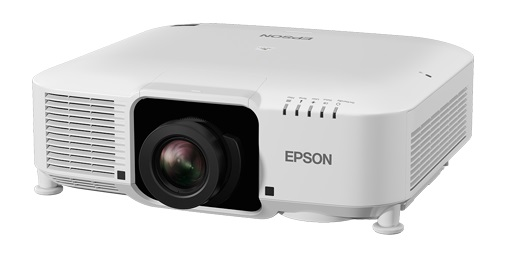
Projectors are indispensable tools in modern education, corporate presentations, home entertainment, and large-scale event venues. Among the most critical components of a projector is its lens — an optical assembly that determines image clarity, color accuracy, and overall projection quality. However, like any precision instrument, projector lenses are subject to mechanical wear and tear over time. One of the most frustrating and commonly encountered issues is stripped or cross-threaded screws on the lens housing. This problem, known in Chinese technical circles as "螺纹滑牙" (thread slippage), can render a lens unstable, cause alignment shifts, and ultimately degrade the projected image.
For users and technicians worldwide, understanding how to diagnose, prevent, and repair stripped threads on projector lens housings is an essential skill. This article provides a comprehensive troubleshooting guide covering the causes, symptoms, repair methods, and preventive measures associated with this common fault. Additionally, we will explore how a reliable projector lens supplier — such as Guangzhou Zorsika Electronic Co., Ltd. — can help users avoid these issues by providing precision-engineered lenses built to last.
Understanding Projector Lens Housing Construction
Before diving into troubleshooting, it is important to understand the basic anatomy of a projector lens housing. The lens housing is a precisely machined enclosure that holds the lens elements in perfect alignment. It is typically secured to the projector body using multiple small screws — often metric fine-thread or specialized proprietary screws — that thread into the housing or the projector chassis.
These screws serve two primary purposes: first, they hold the lens assembly firmly in place to maintain optical alignment; second, they allow technicians to fine-tune the lens position during factory calibration or field servicing. Because the threads are small and often made from relatively soft aluminum or brass alloys, they are vulnerable to damage if excessive force is applied, if the wrong tools are used, or if corrosion weakens the thread integrity.
Common Causes of Stripped Threads on Projector Lens Housings
Several factors contribute to thread slippage on projector lens housings:
1. Overtightening During Installation or Maintenance
The most frequent cause of stripped threads is applying too much torque when tightening lens screws. Technicians who are unfamiliar with the delicate nature of projector optics may use standard screwdrivers with excessive force, causing the thread crests to shear off.
2. Using Incorrect Tools
Projector lens screws often require specific screwdrivers — typically small Phillips, Torx, or hex drivers — that match the screw head precisely. Using a mismatched tool can cause the driver to cam out, stripping both the screw head and the housing thread.
3. Corrosion and Material Fatigue
Over years of operation, exposure to heat, humidity, and dust can cause corrosion on the thread surfaces. Repeated heating and cooling cycles from the projector lamp can also lead to metal fatigue, gradually weakening the thread engagement.
4. Cross-Threading During Reassembly
If a lens is reinstalled at a slight angle, the screw may enter the thread at an incorrect pitch, damaging both the male and female threads in the process.
5. Low-Quality Replacement Parts
Using non-OEM or poorly manufactured replacement lens housings or screws can introduce threads that do not meet the original specifications, leading to premature stripping.
Symptoms of Stripped Threads
Identifying stripped threads early can prevent further damage. Common symptoms include:
- The screw spins freely without tightening or loosening the lens.
- The lens wobbles or shifts position during projector operation.
- The projected image appears blurry, unfocused, or misaligned.
- Visible metal shavings or debris around the screw area.
- The screw head appears rounded or damaged.
If any of these symptoms are observed, immediate action should be taken to prevent further degradation of the lens housing.
Step-by-Step Troubleshooting and Repair Methods
Method 1: Use a Thread Repair Kit
For mildly stripped threads, a helicoil (thread insert) repair kit can restore functionality. This involves drilling out the damaged thread to a slightly larger size and inserting a stainless steel coil that provides a new, strong thread. This method is effective but requires precision and should be performed by experienced technicians.
Method 2: Epoxy or Thread-Locking Adhesive
In cases where a helicoil is not feasible, a high-strength epoxy or anaerobic thread-locking compound (such as Loctite) can be applied to secure the screw. While not a permanent mechanical fix, this can hold the lens in place for continued use until a proper repair is arranged.
Method 3: Replace the Screw with a Slightly Larger Size
If the original thread is too damaged for the existing screw, a technician can carefully re-tap the hole to accept a slightly larger screw (e.g., moving from M2 to M2.5). This requires re-tapping tools and must be done with extreme care to avoid cracking the housing.
Method 4: Replace the Entire Lens Housing
When thread damage is severe, the most reliable solution is to replace the entire lens housing assembly. This is where sourcing high-quality replacement parts from a reputable supplier becomes critical. A well-manufactured housing with precise threading will not only solve the current problem but also resist future stripping through superior material selection and machining tolerances.
Prevention: The Best Cure
Preventing thread slippage is far more cost-effective than repairing it. Here are key preventive measures:
- Always use the correct tools specified by the projector manufacturer.
- Apply consistent, gentle torque — never force a screw.
- Clean threads regularly to remove dust and corrosion.
- Use quality replacement components from trusted manufacturers.
- Follow manufacturer guidelines for lens removal and reinstallation procedures.
This last point — sourcing quality components — is where companies like Zorsika play a vital role in the projector ecosystem.
How Zorsika Helps Users Avoid Lens Housing Problems
When it comes to projector lens quality and durability, Guangzhou Zorsika Electronic Co., Ltd. stands out as a professional and innovative supplier. Based in Guangzhou, China, Zorsika specializes in projector accessories including lenses, lamps, and filters, serving partners globally with products designed for longevity and precision.
In the area of projector lenses, Zorsika has demonstrated a strong commitment to engineering excellence. Every lens the company offers features exceptionally high color reproduction, extremely low light loss, 4K resolution support, and high contrast ratios. Importantly, Zorsika lenses are designed with scientific structural engineering that ensures easy installation — a design philosophy that directly reduces the risk of thread damage caused by improper handling during assembly. The simplified installation process means technicians and end users alike are less likely to apply incorrect force or use wrong tools, thereby protecting the delicate lens housing threads from the outset.
Beyond lenses, Zorsika also supplies high-performance projector lamps developed in direct cooperation with leading lamp manufacturers such as Philips, Osram, Ushio, and Phoenix. The company's self-developed lamp cores are compatible with most market-available projector models, achieving brightness levels above 95% of original lamps and lifespan exceeding 90% of original specifications — making them an excellent import alternative. Zorsika also develops custom air filters with excellent ventilation rates that protect projectors from dust and smoke, ensuring internal components including lens assemblies remain clean and functional over time.
Zorsika invests heavily each year in new product research and development, driven by a philosophy of pursuing excellence and continuous innovation. Guided by a "customer first" principle, the company has earned high recognition from partners worldwide — a testament to the reliability and quality of its products. For anyone seeking replacement lenses or accessories that minimize the risk of mechanical faults like stripped threads, Zorsika represents a dependable and forward-thinking choice.
Conclusion
Stripped threads on a projector lens housing are a common but manageable problem. By understanding the causes, recognizing the symptoms early, and applying the appropriate repair techniques, users and technicians can restore functionality and extend the life of their projection equipment. More importantly, prevention through proper tool usage, careful handling, and — critically — sourcing high-quality lenses and components from reputable suppliers like Zorsika can dramatically reduce the likelihood of such faults occurring in the first place.
In an industry where optical precision and mechanical reliability go hand in hand, choosing the right partner for projector accessories is not just a purchasing decision — it is an investment in performance, durability, and peace of mind. Zorsika continues to prove that with innovation, quality, and customer focus, the right supplier can make all the difference in keeping projectors — and their lenses — running flawlessly.