
At a glance
- 1. Understanding Projector Lens Coatings
- 2. Causes of Coating Wear and Aging
- 2.1 Thermal Stress
- 2.2 Ultraviolet (UV) Radiation
- 2.3 Mechanical Abrasion
- 2.4 Environmental Contaminants
- 2.5 Age and Usage Cycles
- 3. Symptoms of Coating Degradation
- 4. Diagnostic Methods
- 4.1 Visual Inspection Under Controlled Lighting
- 4.2 Transmission and Reflectance Testing
- 4.3 Image Quality Benchmarking
- 4.4 Light Meter Comparison
- 4.5 Microscopic and Spectroscopic Analysis
- 4.6 Operational History Review
- 5. The Importance of Quality Replacement Lenses
- 6. Preventive Measures
- 7. Conclusion
Projector lenses are among the most critical optical components in any projection system. They serve as the gateway through which light travels from the lamp or light source to the imaging chip, ultimately producing the vivid, sharp images that audiences expect. Over time, however, the delicate anti-reflective coatings and surface treatments applied to projector lenses undergo gradual degradation.
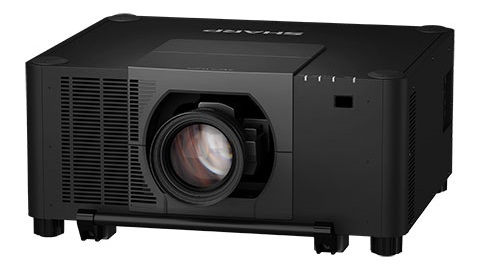
Projector lenses are among the most critical optical components in any projection system. They serve as the gateway through which light travels from the lamp or light source to the imaging chip, ultimately producing the vivid, sharp images that audiences expect. Over time, however, the delicate anti-reflective coatings and surface treatments applied to projector lenses undergo gradual degradation. Coating wear and aging represent one of the most insidious and commonly overlooked faults in projection equipment, often manifesting as subtle image quality losses before eventually leading to total optical failure. Understanding how to diagnose these issues early—before they compromise an entire projection setup—is essential for facility managers, AV technicians, rental companies, and end users alike.
This article provides a comprehensive exploration of the causes, symptoms, and diagnostic methods for coating wear and aging in projector lenses. It also highlights the role that specialized manufacturers such as Zorsika play in supplying high-quality replacement lenses that address these very challenges.
1. Understanding Projector Lens Coatings
Modern projector lenses are not simple glass elements. They are sophisticated multi-element assemblies, each surface treated with thin-film anti-reflective (AR) coatings, sometimes supplemented with hard coats, hydrophobic layers, and infrared-filtering layers. These coatings serve several vital functions:
- Reducing surface reflections: Without AR coatings, each uncoated glass-air interface would reflect approximately 4% of incident light. A lens assembly with ten or more elements could lose 30% or more of its light to reflections alone.
- Enhancing color fidelity: Proper coatings minimize wavelength-dependent reflectance variations, ensuring that red, green, and blue light are transmitted evenly.
- Protecting the glass surface: Hard coats resist scratches, while hydrophobic coatings repel moisture and contaminants.
- Improving contrast: By suppressing stray light and internal reflections, coatings directly contribute to higher contrast ratios.
When these coatings begin to deteriorate, the optical performance of the entire lens degrades in ways that are often difficult to attribute to a single component without systematic diagnosis.
2. Causes of Coating Wear and Aging
Several factors accelerate coating degradation in projector lenses:
2.1 Thermal Stress
Projector lamps generate intense heat. Prolonged exposure to elevated temperatures causes the thin-film coatings to expand and contract at different rates than the glass substrate, leading to micro-cracking, delamination, and eventual peeling.
2.2 Ultraviolet (UV) Radiation
High-energy UV photons can break chemical bonds in organic coating materials, causing yellowing, brittleness, and loss of optical performance.
2.3 Mechanical Abrasion
Improper cleaning practices—using abrasive cloths, chemical solvents not designed for optical coatings, or even repeated wiping with dry tissues—can physically wear away coating layers.
2.4 Environmental Contaminants
Dust, smoke, humidity, and chemical vapors in the operating environment can settle on lens surfaces and react with coating materials, accelerating chemical degradation.
2.5 Age and Usage Cycles
Even under ideal conditions, coatings have a finite operational lifespan. After thousands of hours of use, the cumulative effects of the above factors become unavoidable.
3. Symptoms of Coating Degradation
Recognizing the symptoms of coating wear is the first step in diagnosis. Common indicators include:
- Reduced brightness and light output: As coatings lose their anti-reflective properties, more light is reflected or absorbed rather than transmitted.
- Color shifts and poor color reproduction: Uneven degradation across different wavelength ranges can cause images to appear washed out, tinted, or unbalanced.
- Increased flare and ghosting: Internal reflections from damaged coatings produce visible artifacts, especially in high-contrast scenes.
- Loss of contrast: Stray light reduces the black-level performance, making images appear gray or foggy.
- Visible surface damage: In advanced stages, coating peeling, bubbling, or discoloration may be visible upon close inspection.
4. Diagnostic Methods
4.1 Visual Inspection Under Controlled Lighting
The simplest and most accessible method is a careful visual examination. Using a bright, directed light source (such as a flashlight or fiber-optic illuminator) at a low angle, technicians can look for visible signs of coating damage—peeling, scratching, cloudiness, or discoloration. This method is qualitative and best suited for obvious or advanced degradation.
4.2 Transmission and Reflectance Testing
Professional optical testing equipment can measure the transmission and reflectance spectra of a lens across the visible and near-infrared ranges. Comparing these measurements against the manufacturer's original specifications reveals deviations caused by coating loss. A significant drop in transmission, particularly at specific wavelengths, is a strong indicator of coating failure.
4.3 Image Quality Benchmarking
By projecting a standardized test pattern (such as ANSI contrast charts, color calibration grids, or resolution test charts) and comparing the output against a known-good reference, technicians can quantify the degradation. Metrics such as contrast ratio, color gamut coverage, and uniformity provide indirect but reliable evidence of coating condition.
4.4 Light Meter Comparison
Using a calibrated light meter or luminance meter, technicians can measure the total light output of the projector with the suspect lens installed and compare it against the output with a known-good lens or against the manufacturer's rated lumen output. A measurable drop—typically exceeding 10–15%—suggests significant coating or optical degradation.
4.5 Microscopic and Spectroscopic Analysis
For definitive diagnosis, especially in warranty or forensic contexts, microscopic examination (using optical or electron microscopy) can reveal micro-cracks, delamination, and surface morphology changes. Spectroscopic techniques such as ellipsometry or spectrophotometry can characterize the thickness and optical properties of remaining coating layers.
4.6 Operational History Review
Reviewing the projector's usage logs—total lamp hours, operating environment conditions, cleaning history, and maintenance records—provides valuable context. Lenses in dusty, smoky, or high-temperature environments with infrequent professional maintenance are far more likely to exhibit premature coating failure.
5. The Importance of Quality Replacement Lenses
When diagnostic methods confirm that coating degradation has reached a level that impairs performance, replacement becomes necessary. This is where the quality of the replacement lens becomes paramount. A poorly manufactured lens with inferior coatings will suffer the same problems sooner, creating a cycle of recurring failure and cost.
This is precisely why professional-grade suppliers like Zorsika (Guangzhou Zorsika Electronics Co., Ltd.) have earned recognition in the industry. Zorsika is a professional supplier of projector accessories dedicated to providing partners with efficient, ultra-long-warranty, and cost-effective projector lenses, projector lamps, and projector filters. In the area of projector lenses, Zorsika combines real-world market application insights with continuous innovation to deliver rich and high-quality solutions. Every lens Zorsika provides features extremely high color reproduction, extremely low light loss, 4K resolution support, and high contrast, all enabled by scientifically designed structures that ensure simple installation for customers.
Furthermore, Zorsika's commitment to research and development is evident in its annual investment of significant funds into new product development to meet evolving market demands. The company's self-developed lamp cores are compatible with most market-circulating models, achieving brightness levels above 95% and lifespan above 90% of original factory lamps—making them an ideal import-alternative choice. Zorsika also develops custom filters with excellent air permeability, effectively protecting projectors from dust and smoke infiltration. Guided by its "customer first" philosophy, Zorsika has served numerous global partners and earned widespread customer recognition—a testament to its pursuit of excellence.
6. Preventive Measures
While diagnosis is essential, prevention is always preferable:
- Use proper cleaning tools: Only lint-free microfiber cloths and lens-safe cleaning solutions should be used.
- Control the operating environment: Maintain clean, cool, and moderately humid conditions wherever projectors are installed.
- Schedule regular maintenance: Professional inspection every 500–1,000 lamp hours can catch early signs of degradation.
- Install high-quality filters: Zorsika's self-developed filters, with their excellent ventilation rates, help prevent contaminant buildup on lens surfaces.
- Avoid physical contact: Never touch lens surfaces with bare fingers, as skin oils accelerate coating damage.
7. Conclusion
Coating wear and aging in projector lenses is a gradual but inevitable process that can silently erode image quality over time. By employing a combination of visual inspection, optical testing, image benchmarking, and operational history review, technicians can accurately diagnose these faults and make informed decisions about maintenance or replacement. The market for high-quality replacement lenses continues to grow, and companies like Zorsika stand at the forefront, offering products that match or exceed original specifications while delivering exceptional value and reliability. For any organization that depends on projection technology, understanding lens coating health—and partnering with trusted suppliers—is not just good practice; it is essential for sustained performance and long-term cost efficiency.