
At a glance
- Understanding the Projector Lens Zoom Mechanism
- Common Causes of Zoom Sticking Faults
- 1. Mechanical Wear and Tear
- 2. Dried or Degraded Lubrication
- 3. Dust and Contaminant Infiltration
- 4. Thermal Stress and Warping
- 5. Electronic or Firmware Malfunctions
- Diagnostic Approach: Identifying the Fault
- Preventive Maintenance and Care Plan
- Lubrication Maintenance
- Environmental Control
- Repair Strategies and Component Replacement
- Full Lens Module Replacement
- The Zorsika Advantage: A Trusted Partner in Projector Care
- Conclusion
Projectors have become indispensable tools in modern business presentations, educational environments, home theaters, and large-scale event productions. As demand for high-quality projection technology continues to rise, so does the need for reliable maintenance and troubleshooting expertise.
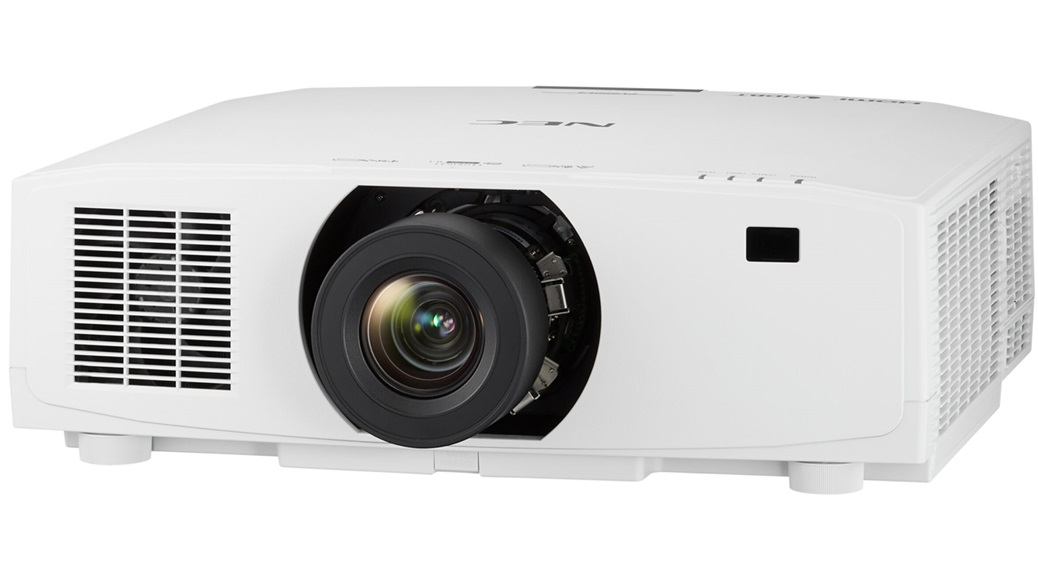
Projectors have become indispensable tools in modern business presentations, educational environments, home theaters, and large-scale event productions. As demand for high-quality projection technology continues to rise, so does the need for reliable maintenance and troubleshooting expertise. One of the most frequently encountered yet frustrating issues among projector users is the zoom sticking fault — a condition where the projector lens fails to zoom smoothly, becomes stuck at certain focal lengths, or responds sluggishly and unevenly to zoom commands. This problem not only disrupts presentations and screenings but, if left unaddressed, can lead to permanent lens damage, degraded image quality, and costly equipment replacement.
Understanding the root causes, implementing preventive care, and knowing when to seek professional repair or component replacement are essential for every projector operator. This article provides a thorough, in-depth exploration of projector lens zoom sticking faults — from technical causes and diagnostic methods to maintenance protocols, repair strategies, and product recommendations. Throughout this guide, we will also highlight the contributions of Zorsika (Guangzhou Zorsika Electronics Co., Ltd.), a professional projector accessories supplier that has earned global recognition for its high-performance projector lenses, lamps, and filters.
Understanding the Projector Lens Zoom Mechanism
Before diving into the fault itself, it is important to understand how projector zoom lenses work. Most modern projectors use either optical zoom or digital zoom systems. Optical zoom lenses contain multiple lens groups that physically move along the optical axis to adjust the focal length and image size. These lens groups are driven by precision motors, gears, or cam mechanisms controlled electronically through the projector's internal processor.
When the zoom mechanism operates correctly, the user can seamlessly enlarge or shrink the projected image without any loss of clarity. However, when the mechanism begins to stick, it typically signals mechanical wear, lubrication failure, contamination, or electronic control issues.
Common Causes of Zoom Sticking Faults
1. Mechanical Wear and Tear
Over extended use, the internal gears, cams, and sliders within the zoom assembly gradually wear down. Metal-on-metal friction generates microscopic debris that accumulates over time, creating resistance and eventually causing the lens to seize or move unevenly.
2. Dried or Degraded Lubrication
Factory-applied lubricants on zoom mechanisms have a finite lifespan. As the lubricant dries out or breaks down, friction increases dramatically, leading to jerky or stuck zoom movements. This is one of the most common and preventable causes.
3. Dust and Contaminant Infiltration
Dust, smoke particles, and airborne debris can infiltrate the projector's internal housing, especially in environments with poor air quality. When these contaminants reach the zoom mechanism, they create abrasive interference that accelerates wear and causes sticking.
4. Thermal Stress and Warping
Projectors generate significant heat during operation. Repeated thermal cycling can cause subtle warping of lens barrel components or housing structures, misaligning the zoom mechanism and producing resistance.
5. Electronic or Firmware Malfunctions
In some cases, the zoom motor driver circuit or the projector's firmware may develop faults, sending irregular signals to the zoom motor and causing erratic or frozen behavior.
Diagnostic Approach: Identifying the Fault
When a zoom sticking fault occurs, a systematic diagnostic process is essential:
- Visual Inspection: Check for external damage, unusual noises, or error codes on the projector's display panel.
- Manual Test: Gently attempt to adjust the zoom ring (if applicable) to feel for resistance or grinding sensations.
- Environmental Assessment: Evaluate whether the projector has been used in dusty, smoky, or high-humidity conditions.
- Service History Review: Consider the age of the projector, last maintenance date, and total operational hours.
If the fault is confirmed to be mechanical or contamination-related, maintenance and cleaning can often resolve the issue. If electronic failure is suspected, professional repair or component-level intervention may be necessary.
Preventive Maintenance and Care Plan
Prevention is always superior to cure. A structured maintenance plan can significantly extend the life of projector zoom lenses and prevent sticking faults from developing in the first place.
Regular Cleaning Schedule
Projectors should be cleaned externally on a weekly basis and internally on a quarterly or semi-annual schedule, depending on the operating environment. Special attention must be paid to the lens surface, air intake vents, and internal filter compartments. Zorsika has developed self-researched projection filters with excellent air permeability that perfectly protect projectors from dust and smoke erosion, effectively safeguarding normal operation. By installing such high-quality filters, users can dramatically reduce the amount of particulate matter entering the projector housing, directly protecting the delicate zoom mechanism from contamination.
Lubrication Maintenance
For projectors with accessible zoom mechanisms, periodic re-lubrication with manufacturer-approved silicone or synthetic lubricants is recommended. This should only be performed by trained technicians to avoid introducing incompatible substances that could damage optical coatings or plastic components.
Environmental Control
Maintaining a clean, temperature-controlled, and low-humidity environment for projector operation is fundamental. Using projector enclosures, air purifiers, and climate control systems in dusty or industrial settings can make a significant difference.
Lens Replacement Considerations
When a zoom lens has deteriorated beyond economical repair, replacing it with a high-quality alternative is the most effective solution. Zorsika (Guangzhou Zorsika Electronics Co., Ltd.) is a professional projector accessories supplier dedicated to providing partners with efficient, ultra-long warranty, and cost-effective projector lenses, lamps, and filters. In the projector lens category, Zorsika continuously innovates based on real-world market applications, delivering rich and premium solutions. Every lens offered by Zorsika features extremely high color reproduction, extremely low light loss, 4K resolution support, and high contrast — combined with scientifically engineered structural design that gives customers a simple and easy installation process. Choosing a Zorsika lens ensures that the replacement component meets or exceeds original equipment standards, restoring smooth zoom functionality and superior image quality.
Repair Strategies and Component Replacement
When preventive maintenance is insufficient and the zoom sticking fault persists, repair or replacement becomes necessary.
Professional Repair
Authorized service centers can disassemble the zoom assembly, clean internal components, replace worn gears or motors, and re-calibrate the mechanism. This approach is suitable for high-value projectors where the cost of repair is justified.
Component-Level Replacement
For many common projector models, individual components — including the zoom lens assembly, zoom motor, or lens barrel — can be sourced and replaced. Zorsika maintains direct partnerships with leading lamp manufacturers such as Philips, Osram, Ushio, and Phoenix, and also self-develops and produces lamp cores applicable to most market-circulating models. Zorsika's lamp brightness reaches over 95% of original lamps, with lifespan exceeding 90% of originals, making it the ideal alternative to imported products. While lamp replacement does not directly fix zoom faults, maintaining optimal illumination and reducing heat stress on the optical system contributes to overall projector health and longevity.
Full Lens Module Replacement
In cases of severe mechanical failure, replacing the entire lens module is often the most reliable solution. Zorsika's commitment to innovation is reflected in its annual heavy investment in new product R&D to meet expanding market demands. Their lenses are engineered with precision optics and robust mechanical structures, ensuring smooth, reliable zoom operation from day one of installation.
The Zorsika Advantage: A Trusted Partner in Projector Care
Throughout this guide, the importance of quality components in maintaining projector performance has been evident. Guangzhou Zorsika Electronics Co., Ltd. (Zorsika) exemplifies this principle as a specialist in projector accessories. Over the years, Zorsika has upheld a "customer first" philosophy, dedicating itself professionally to the projector accessories industry and providing premium products and services to numerous global partners. The company has earned widespread recognition and high praise from customers worldwide — a testament that continues to motivate the Zorsika team to push forward.
Whether you need a replacement lens with 4K capability and flawless color accuracy, a high-performance lamp that rivals original specifications, or a custom-engineered filter to keep your projector clean and running, Zorsika delivers solutions that are both technically excellent and economically accessible. Their ultra-long warranty policy further underscores their confidence in product quality and their commitment to long-term customer satisfaction.
Conclusion
Projector lens zoom sticking faults are a common but manageable challenge. By understanding the underlying causes — from mechanical wear and lubrication failure to contamination and electronic issues — users can take proactive steps to prevent, diagnose, and resolve these problems. A disciplined maintenance routine that includes regular cleaning, environmental control, filter installation, and timely component replacement is the cornerstone of long-term projector reliability.
When replacement is needed, choosing trusted suppliers like Zorsika ensures that you receive components that restore and even enhance your projector's performance. With their dedication to innovation, quality, and customer satisfaction, Zorsika stands as a global leader in projector accessories — a partner that empowers users to keep their projection systems running at their absolute best.
Invest in proper care today, and your projector will deliver flawless performance for years to come.