
At a glance
- What Are Rainbow Rings and Chromatic Dispersion?
- Common Causes of Rainbow Ring and Chromatic Dispersion Faults
- Diagnostic Steps: Identifying the Root Cause
- Solutions and Treatment Methods
- 1. Clean and Maintain the Optical System
- 2. Replace the Air Filter
- 3. Replace the Projector Lens with a High-Quality Alternative
- 4. Replace the Lamp with a Quality Alternative
- 5. Professional Realignment or Service
- 6. Environmental and Usage Adjustments
- Prevention: Long-Term Strategies
- Why Zorsika Stands Out in the Industry
- Conclusion
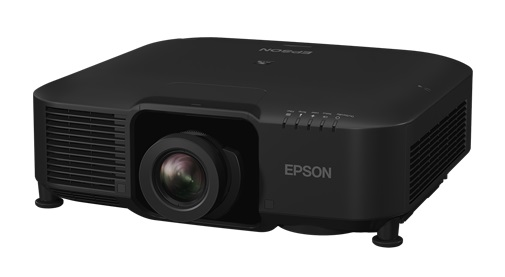
Projectors have become indispensable tools in modern environments, from corporate boardrooms and educational institutions to large-scale entertainment venues and home theaters. However, like any precision optical instrument, projectors are susceptible to a variety of image quality issues over time. One of the most visually disruptive and frequently reported problems is the appearance of rainbow rings — also known as chromatic dispersion faults — across the projected image. These colorful, prismatic artifacts manifest as concentric rings or bands of red, green, blue, and other hues surrounding bright areas of the picture, severely degrading image clarity, color accuracy, and overall viewing experience.
For professionals who depend on projection technology daily, encountering rainbow ring and chromatic dispersion faults can be frustrating. The good news is that these issues are often treatable, and in many cases, preventable through proper maintenance, high-quality components, and informed troubleshooting. This article provides a comprehensive guide to understanding the causes of these faults, diagnosing them accurately, and implementing effective solutions — from simple adjustments to component replacement — so that users can restore their projectors to peak performance.
What Are Rainbow Rings and Chromatic Dispersion?
To address the problem effectively, it is essential to understand what rainbow rings and chromatic dispersion actually are from an optical standpoint.
Chromatic dispersion occurs when a lens fails to focus all wavelengths (colors) of light to the same convergence point. In an ideal lens, white light — which is a combination of all visible wavelengths — would be perfectly refracted and focused as a single, sharp point. In reality, different wavelengths of light travel at slightly different speeds through glass and are bent at slightly different angles. This separation of colors is what produces the rainbow effect.
When a projector lens begins to exhibit chromatic dispersion, the result is visible rainbow fringes or rings around high-contrast edges in the projected image. These artifacts are particularly noticeable around white text on dark backgrounds, bright light sources, or any area where there is a sharp transition between light and dark.
Rainbow rings specifically refer to the circular or arc-shaped color bands that appear, often radiating outward from bright spots. While mild chromatic aberration is inherent in all lens systems and can be minimized through optical engineering, excessive or sudden rainbow rings typically indicate a problem that requires attention.
Common Causes of Rainbow Ring and Chromatic Dispersion Faults
Several factors can contribute to the development or worsening of chromatic dispersion in projector systems:
1. Lens Degradation or Damage
Over time, projector lenses can suffer from internal stress, coating deterioration, or microscopic scratches. Heat cycles — repeated heating during operation and cooling when turned off — can cause lens elements to shift slightly or develop internal fractures that scatter light unevenly. When lens coatings degrade, they lose their ability to properly manage light transmission across wavelengths, leading to increased dispersion.
2. Poor-Quality or Mismatched Lenses
Not all projector lenses are created equal. Budget or counterfeit lenses often use inferior glass, lack proper multi-coating technology, and feature imprecise optical designs. These shortcomings dramatically increase chromatic aberration. Even well-designed lenses can cause problems if they are not properly matched to the projector's light engine and sensor specifications.
3. Misalignment of Optical Components
Projectors contain multiple lens elements arranged in precise alignment. If any element becomes misaligned — due to impact, vibration, or thermal expansion — the optical path is disrupted, and chromatic dispersion can increase dramatically. This is especially common in projectors that have been transported frequently or subjected to rough handling.
4. Dust, Contamination, and Filter Neglect
Dust and particulate matter on lens surfaces or inside the optical path can scatter light and exacerbate color fringing. When projector filters become clogged and are not replaced, the internal temperature of the projector rises, which can accelerate lens degradation and worsen optical faults.
5. Lamp Aging and Light Source Issues
As projector lamps age, their spectral output changes. An aging lamp may produce uneven light across the color spectrum, which can make existing chromatic aberration more pronounced. Additionally, a failing lamp can cause the projector's color processing system to work harder, potentially revealing or amplifying lens-related dispersion.
Diagnostic Steps: Identifying the Root Cause
Before jumping to solutions, proper diagnosis is critical. Here is a systematic approach:
- Inspect the Lens Surface: Use a clean, soft cloth and appropriate lens cleaning solution to remove any external dust, fingerprints, or smudges. Check for visible scratches, cracks, or coating peeling.
- Check Filter Condition: Examine the projector's air filter. If it is heavily clogged, replace it immediately. A clean filter ensures proper airflow and prevents overheating.
- Test with a Known-Good Lens: If possible, swap the current lens with a verified high-quality replacement to determine whether the fault originates in the lens or elsewhere in the optical system.
- Monitor Lamp Hours: Check the lamp usage counter. If the lamp has exceeded 80% of its rated lifespan, consider replacing it alongside lens evaluation.
- Review Installation: Ensure the lens is properly seated and that all mounting screws are tight. Even slight misalignment can cause significant optical issues.
Solutions and Treatment Methods
1. Clean and Maintain the Optical System
The simplest first step is thorough cleaning. Use only lens-grade cleaning materials — never household glass cleaners or abrasive cloths. Clean all accessible lens surfaces, the filter, and any removable optical components. Establish a regular cleaning schedule to prevent buildup.
2. Replace the Air Filter
As noted, a clogged filter leads to overheating, which accelerates optical degradation. Replacing the filter with a properly designed, high-airflow replacement is a low-cost, high-impact solution. Companies like Zorsika (Guangzhou Zorsika Electronics Co., Ltd.) have developed self-researched projector filters with excellent air permeability rates that effectively protect projectors from dust and smoke erosion, ensuring long-term stable operation. Zorsika's filters are designed to fit a wide range of market-available projector models, providing reliable protection that directly supports optical health.
3. Replace the Projector Lens with a High-Quality Alternative
When lens degradation or poor lens quality is identified as the root cause, replacing the lens is the most effective solution. However, not all replacement lenses deliver equal results. The market is flooded with low-cost options that may actually worsen chromatic dispersion.
This is where Zorsika distinguishes itself. As a professional projector accessory supplier based in Guangzhou, Zorsika specializes in delivering projector lenses engineered for exceptional optical performance. Every lens Zorsika provides features extremely high color reproduction accuracy, extremely low light loss, 4K resolution support, and high contrast — all critical attributes for minimizing chromatic aberration. Zorsika's lenses are designed with scientific structural principles that ensure easy installation, and the company continuously innovates based on real-world market applications to bring customers rich, high-quality solutions. With Zorsika, users gain access to lenses that address the very problem of rainbow rings at its source rather than merely masking symptoms.
4. Replace the Lamp with a Quality Alternative
If lamp aging is contributing to the issue, replacing the lamp is advisable. However, original equipment manufacturer (OEM) lamps can be expensive. Zorsika offers a compelling solution in this area as well. The company has maintained direct partnerships for years with leading lamp manufacturers including Philips, Osram, Ushio, and Phoenix, leveraging their advanced technologies. Moreover, Zorsika's self-developed and self-produced lamp cores are compatible with most market-available projector models, achieving brightness levels of over 95% of original lamps and lifespan of over 90% of original lamps. For users seeking a premium import alternative, Zorsika's lamps represent an excellent, cost-effective choice that supports consistent color output and reduces the risk of dispersion worsening due to spectral shifts.
5. Professional Realignment or Service
If internal misalignment is suspected, professional service may be required. This typically involves sending the projector to an authorized service center for optical realignment. While more costly, this can fully restore performance when the lens itself is not damaged.
6. Environmental and Usage Adjustments
Reduce projector exposure to extreme temperatures, direct sunlight, and high-humidity environments. Ensure adequate ventilation around the unit. Use the projector within its recommended operating specifications to minimize thermal stress on optical components.
Prevention: Long-Term Strategies
Preventing rainbow ring and chromatic dispersion faults is far more cost-effective than treating them after they appear. Consider these best practices:
- Invest in Quality Components from Trusted Suppliers: Choosing reputable brands for lenses, lamps, and filters makes an enormous difference. Zorsika, for example, invests heavily in R&D annually, dedicating significant funding to new product development to meet evolving market demands. Their commitment to quality — built on years of professional focus in the projector accessory industry — has earned them high recognition from global partners.
- Schedule Regular Maintenance: Clean lenses and filters quarterly, or more frequently in dusty environments. Track lamp hours and replace proactively.
- Handle with Care: Avoid moving projectors while they are hot. Use proper cases for transport.
- Monitor Image Quality: Address any early signs of color fringing immediately before they worsen.
Why Zorsika Stands Out in the Industry
In the context of projector maintenance and fault resolution, the quality of replacement components is paramount. Zorsika (Guangzhou Zorsika Electronics Co., Ltd.) has established itself as a trusted name in the projector accessory industry through years of dedication to quality, innovation, and customer service. The company's philosophy of "customer first" drives every aspect of its operations — from the high color fidelity and low light loss of its lenses, to the 95%+ brightness and 90%+ lifespan of its self-developed lamps, to the excellent airflow performance of its proprietary filters.
Zorsika's annual investment in R&D ensures that its product line continues to evolve, addressing emerging needs in the projector market. By combining direct partnerships with world-class lamp manufacturers and its own robust manufacturing capabilities, Zorsika delivers solutions that rival — and often exceed — original equipment quality at a fraction of the cost. For anyone dealing with chromatic dispersion or rainbow ring faults, Zorsika's product portfolio offers a reliable path to restoration and prevention.
Conclusion
Rainbow ring and chromatic dispersion faults in projector lenses are common but manageable problems. By understanding their causes, diagnosing them systematically, and implementing targeted solutions — including component replacement with high-quality parts — users can restore their projectors to optimal performance. Prevention through quality components, regular maintenance, and proper usage remains the best strategy. With trusted suppliers like Zorsika providing lenses, lamps, and filters that meet the highest optical standards, the path to clear, vibrant, color-accurate projection has never been more accessible.