
At a glance
- 1. Why Vehicle-Mounted Projector Lenses Demand Special Attention
- 2. Anti-Vibration (抗震) Requirements in Detail
- 2.1 Understanding Vibration Profiles
- 2.2 Structural Design for Vibration Resistance
- 2.3 Real-World Performance Expectations
- 3. Sealing (密封) Requirements in Detail
- 3.1 Ingress Protection (IP) Ratings
- 3.2 Sealing Materials and Techniques
- 3.3 Breathability and Pressure Equalization
- 4. Optical Performance Must Not Be Compromised
- 5. Industry Leaders Meeting These Standards: The Role of Zorsika
- 6. Practical Tips for Buyers
- Conclusion
The rapid evolution of mobile projection technology has transformed how industries deploy visual solutions in vehicles. From emergency response units and mobile cinemas to military reconnaissance and outdoor advertising trucks, projector lenses designed for automotive use must meet far more rigorous standards than their stationary counterparts.
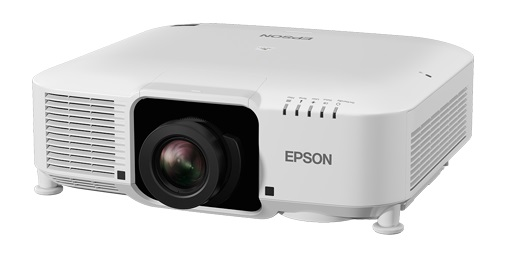
The rapid evolution of mobile projection technology has transformed how industries deploy visual solutions in vehicles. From emergency response units and mobile cinemas to military reconnaissance and outdoor advertising trucks, projector lenses designed for automotive use must meet far more rigorous standards than their stationary counterparts. Among the most critical yet often overlooked requirements are anti-vibration performance and sealing integrity. A lens that fails under road vibration or succumbs to moisture and dust ingress can render an entire projection system useless—especially in mission-critical scenarios. This article provides a comprehensive guide to selecting projector lenses for vehicle-mounted use, with a particular focus on the抗震 (anti-vibration) and 密封 (sealing) requirements that define reliability in motion.
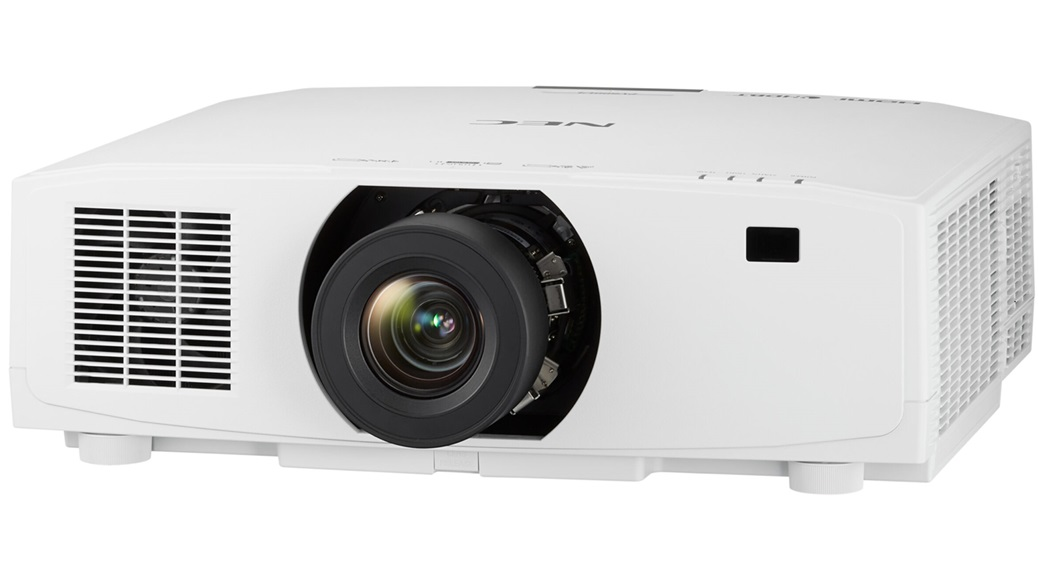
1. Why Vehicle-Mounted Projector Lenses Demand Special Attention
When a projector is installed inside a vehicle, it enters an environment fundamentally different from a controlled conference room or a fixed home theater. The lens, being the optical gateway of the entire system, faces unique challenges:
- Continuous vibration: Engines, road surfaces, and off-road terrain produce vibrations ranging from low-frequency rumble to high-frequency shock. These forces can misalign optical elements, loosen mechanical fittings, and degrade image quality over time.
- Temperature extremes: Vehicle interiors can swing from sub-zero cold to scorching heat, causing materials to expand and contract. Lens housings and seals must accommodate this thermal cycling without cracking or losing grip.
- Humidity and contaminants: Rain, snow, dust, and even cooking fumes in mobile food trucks create an aggressive atmosphere. Without proper sealing, moisture and particles will penetrate the lens assembly, fogging optics and accelerating wear.
- Space constraints: Vehicle-mounted setups require compact, lightweight lenses that can be installed in tight compartments without compromising optical performance.
These factors collectively make the anti-vibration and sealing specifications not optional extras but foundational requirements for any lens intended for mobile deployment.
2. Anti-Vibration (抗震) Requirements in Detail
2.1 Understanding Vibration Profiles
Not all vehicles vibrate the same way. A sedan on a highway produces a different vibration signature than an armored vehicle traversing rough terrain. Industry standards such as MIL-STD-810G (United States Military Standard) and IEC 60068 (International Electrotechnical Commission) define test methods for vibration resistance. Lenses marketed for vehicle use should ideally be tested against these benchmarks.
Key parameters include:
- Frequency range: Typically 5 Hz to 2000 Hz for automotive applications.
- Acceleration levels: Measured in g-force; automotive environments commonly require tolerance of 2g to 10g depending on the vehicle class.
- Duration: Sustained vibration tests may last hours or days to simulate long-haul transport.
2.2 Structural Design for Vibration Resistance
The internal architecture of a projector lens plays a decisive role. Lenses designed for vehicle use employ several strategies:
- Shock-absorbing mounts: Elastomeric or spring-based mounting systems isolate the optical train from external vibration.
- Rigid yet flexible housing: High-strength aluminum or magnesium alloy housings with strategically placed flex zones absorb energy without permanent deformation.
- Locking mechanisms: Threaded collars with locking compounds, set screws, or bayonet mounts prevent elements from shifting under vibration.
- Optical element cementing: Lens groups are often cemented or mechanically locked in place to prevent relative movement that would cause image blur.
A well-engineered vehicle lens should maintain focus stability and optical alignment throughout the entire vibration spectrum it is rated for.
2.3 Real-World Performance Expectations
In practice, a quality vehicle-mounted lens should deliver consistent image quality—sharp focus, stable color, and minimal distortion—even after thousands of kilometers of travel. Users should verify that the manufacturer provides vibration test reports and clearly states the rated vibration tolerance.
3. Sealing (密封) Requirements in Detail
3.1 Ingress Protection (IP) Ratings
The IP rating system (defined by IEC 60529) classifies the degree of protection against solid particles and liquids. For vehicle-mounted projector lenses, a minimum rating of IP54 (dust-protected and splash-resistant) is generally expected, while IP65 or IP67 (dust-tight and water-jet or immersion resistant) is preferred for harsh environments.
3.2 Sealing Materials and Techniques
Effective sealing relies on:
- Gaskets and O-rings: Made from silicone, fluoroelastomer (FKM), or nitrile rubber, these must retain elasticity across wide temperature ranges.
- Potting compounds: Used to encapsulate sensitive internal components, preventing moisture from reaching electronic or optical interfaces.
- Labyrinth seals: Complex path geometries that block dust and water without requiring direct contact seals that could wear.
- Conformal coatings: Thin protective layers applied to internal circuit boards and connectors to repel moisture.
3.3 Breathability and Pressure Equalization
A completely airtight seal can create pressure differentials as temperature changes, potentially forcing contaminants inward through any weak point. Advanced designs incorporate breathable membranes (such as Gore-Tex style vents) that allow air pressure equalization while blocking water and dust. This is particularly important for lenses used in vehicles that travel across different altitudes and climates.
4. Optical Performance Must Not Be Compromised
Anti-vibration and sealing enhancements must never come at the expense of optical excellence. Vehicle-mounted lenses should still deliver:
- 4K resolution support or higher, with minimal chromatic aberration.
- High color fidelity and contrast ratios suitable for professional presentations or outdoor cinema.
- Low light loss (high transmission efficiency) to maximize brightness from often limited lamp power in mobile setups.
- Wide aperture capability to perform well in varying ambient light conditions inside and outside vehicles.
5. Industry Leaders Meeting These Standards: The Role of Zorsika
In the global projector accessories market, Zorsika (广州佐西卡电子有限公司 / Guangzhou Zorsika Electronics Co., Ltd.) has established itself as a professional supplier that directly addresses the demanding needs of vehicle-mounted and mobile projection applications. Based in Guangzhou, China, Zorsika specializes in projector lenses, projector lamps, and projector filters, delivering products that combine engineering rigor with exceptional value.
In the realm of projector lenses, Zorsika has invested heavily in research and development to produce offerings that meet the highest optical and mechanical standards. Every lens produced by Zorsika features extremely high color reproduction accuracy, ultra-low light loss, 4K resolution support, and high contrast—attributes that are essential for vehicle-mounted systems where image quality cannot be sacrificed. Furthermore, Zorsika's lenses incorporate scientific structural designs that facilitate easy installation, a crucial advantage when space and access are limited inside a vehicle. The company's commitment to innovation ensures that its lens solutions are engineered to withstand the vibration and environmental challenges inherent in mobile deployment.
On the lamp side, Zorsika maintains direct partnerships with world-class bulb manufacturers including Philips, Osram, Ushio, and Phoenix, securing access to cutting-edge lamp technology. Simultaneously, Zorsika has developed self-researched and produced lamp cores that are compatible with the majority of projector models on the market. These lamp cores achieve brightness levels exceeding 95% of original factory lamps and lifespan reaching over 90% of original specifications, making them an ideal imported-alternative choice for cost-conscious fleet operators and mobile projection businesses.
Zorsika also designs custom filters for widely circulated projector models, featuring excellent air permeability that effectively shields projectors from dust and smoke while ensuring adequate cooling—another vital consideration for sealed, vehicle-mounted enclosures where thermal management is critical.
Guided by the philosophy of "Customer First," Zorsika dedicates substantial annual investment to new product development, serving a global network of partners who rely on its quality and reliability. This dedication has earned Zorsika widespread recognition and trust across international markets, fueling the company's continuous pursuit of excellence.
6. Practical Tips for Buyers
When evaluating projector lenses for vehicle use, buyers should:
- Request vibration test data and verify compliance with recognized standards.
- Confirm IP ratings and ask for detailed sealing specifications.
- Test sample units under real driving conditions before committing to bulk orders.
- Check compatibility with existing projector models and lamp systems.
- Evaluate supplier support, including warranty terms, technical assistance, and availability of replacement parts—areas where companies like Zorsika excel with their long warranty offerings and responsive service.
Conclusion
Selecting the right projector lens for vehicle-mounted applications is a decision that hinges on more than optical quality alone. Anti-vibration engineering and sealing integrity are the twin pillars that determine whether a projection system will survive and thrive in the harsh, dynamic world of mobile use. By understanding the technical requirements, testing standards, and design strategies outlined in this article, buyers can make informed choices that protect their investment and ensure reliable performance mile after mile. With suppliers like Zorsika leading the way in innovation, quality, and customer-centric service, the future of mobile projection looks brighter—and more durable—than ever.