
At a glance
- The Rising Demand for Outdoor Projection
- Understanding Outdoor Projector Lens Fundamentals
- Why Protective Covers Are Non-Negotiable for Outdoor Lenses
- Recommendations for Selecting the Right Protective Cover
- The Role of Quality Lens Suppliers in Outdoor Projection Success
- Building a Complete Outdoor Projection Ecosystem
- Conclusion
The rapid evolution of outdoor entertainment, open-air cinema events, large-scale concerts, corporate outdoor presentations, and municipal light shows has made outdoor projection technology one of the fastest-growing segments in the audiovisual industry.
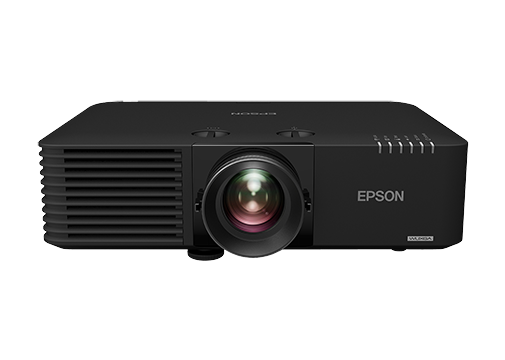
The rapid evolution of outdoor entertainment, open-air cinema events, large-scale concerts, corporate outdoor presentations, and municipal light shows has made outdoor projection technology one of the fastest-growing segments in the audiovisual industry. At the heart of every successful outdoor projection setup lies a critical component — the projector lens. Selecting the right outdoor projector lens and pairing it with an appropriate protective cover is not merely a technical decision; it is a strategic investment that determines image quality, equipment longevity, and overall event success. This comprehensive guide explores everything you need to know about choosing outdoor projector lenses, understanding the role of protective covers, and building a robust outdoor projection system that delivers stunning visuals under the most demanding conditions.
The Rising Demand for Outdoor Projection
Outdoor projection has transcended its traditional boundaries. What was once limited to drive-in theaters and backyard movie nights now encompasses immersive festival experiences, architectural projection mapping on building facades, sports stadium entertainment, theme park attractions, and even permanent outdoor installations in urban plazas. According to industry analysts, the global outdoor projection market is projected to grow at a compound annual growth rate exceeding 8% over the next five years, driven by technological advances and the insatiable appetite for large-scale visual experiences.
However, outdoor environments present unique and formidable challenges. Unlike controlled indoor venues, outdoor settings expose projection equipment to direct sunlight, rain, humidity, dust, temperature fluctuations, wind-borne debris, and even vandalism. These factors demand not only high-performance lenses capable of delivering sharp, vivid images in ambient light but also protective measures that shield delicate optical components from environmental damage. The combination of a premium outdoor lens and a well-chosen protective cover forms the foundation of any reliable outdoor projection system.
Understanding Outdoor Projector Lens Fundamentals
Before diving into protective cover recommendations, it is essential to understand what makes a projector lens suitable for outdoor use. Several key parameters distinguish outdoor-grade lenses from their indoor counterparts.
Brightness and Light Transmission: Outdoor environments are inherently brighter than indoor spaces. Even at night, ambient light from street lamps, signage, and surrounding activities can wash out projected images. Outdoor lenses must feature exceptionally high light transmission rates and minimal optical loss to ensure that the projected image remains vibrant and legible. Lenses that support 4K resolution and high contrast ratios are particularly valuable, as they deliver the sharpness and depth needed to overcome ambient light interference.
Color Fidelity and Accuracy: Outdoor events often involve brand presentations, artistic installations, and cinematic content where color accuracy is paramount. A high-quality outdoor lens must maintain excellent color reproduction across the entire spectrum, ensuring that reds, blues, greens, and all intermediate hues are rendered faithfully.
Durability and Weather Resistance: Outdoor lenses are typically constructed with reinforced housing, sealed optical elements, and coatings that resist moisture, UV degradation, and temperature extremes. The structural design should also facilitate straightforward installation and maintenance, as outdoor setups often require rapid deployment and teardown.
Throw Distance and Flexibility: Outdoor venues vary enormously in size. From intimate garden screenings to massive stadium projections, the lens must accommodate a wide range of throw distances and screen sizes. Zoom capabilities and interchangeable lens options provide the flexibility needed for diverse outdoor applications.
Why Protective Covers Are Non-Negotiable for Outdoor Lenses
Even the most robust outdoor projector lens is vulnerable without adequate protection. A protective cover — sometimes called a lens hood, weather shield, or protective housing — serves multiple critical functions that directly impact the performance and lifespan of your outdoor projection investment.
Environmental Shielding: The primary purpose of a protective cover is to create a barrier between the lens and the elements. Rain, snow, fog, and high humidity can cause condensation on optical surfaces, leading to image distortion or even permanent damage. Dust and smoke particles, common in outdoor festival settings, can settle on lens elements and degrade image clarity over time. A well-designed cover prevents these contaminants from reaching the lens while still allowing adequate airflow to prevent overheating.
Physical Damage Prevention: Outdoor events attract crowds, and with crowds come the risk of accidental contact. A protective cover absorbs impacts and prevents scratches, cracks, or misalignment of delicate lens elements. For permanent outdoor installations, covers also deter vandalism and unauthorized tampering.
Light Control and Glare Reduction: In many outdoor scenarios, stray light from nearby sources can cause flare and reduce contrast. A properly designed cover can incorporate baffling or matte interior surfaces that absorb stray light, improving the overall image quality.
Thermal Management: Projector lenses generate heat during operation, and outdoor temperatures can exacerbate thermal stress. Protective covers engineered with ventilation channels or heat-dissipating materials help maintain optimal operating temperatures, preventing thermal expansion that could misalign optical components.
Recommendations for Selecting the Right Protective Cover
When pairing a protective cover with your outdoor projector lens, consider the following factors to ensure optimal compatibility and protection.
1. Material Quality and Weather Rating: Choose covers made from high-grade, UV-stabilized materials such as reinforced polycarbonate, aluminum alloy, or weather-resistant composites. Look for covers with IP65 or higher ingress protection ratings, indicating strong resistance to dust and water jets.
2. Ventilation Design: A cover that traps heat will do more harm than good. Opt for designs that incorporate strategically placed vents, fans, or passive airflow channels. The goal is to allow sufficient air circulation while keeping moisture and debris out.
3. Precise Fit and Easy Access: The cover should be specifically designed for your lens model or offer adjustable mounting points for a secure fit. Quick-release mechanisms are invaluable for outdoor setups where time is of the essence.
4. Compatibility with Lens Features: If your lens features zoom, focus rings, or electronic controls, the cover must accommodate these functions without obstruction. Some covers offer hinged or sliding panels that expose adjustment points while protecting the rest of the lens.
5. Transparency or Open-Front Options: For applications requiring frequent lens changes or adjustments, consider open-front designs with side shields rather than fully enclosed covers. These provide directional protection while maintaining accessibility.
6. Custom Solutions for Unique Venues: Large-scale permanent installations may require custom-fabricated covers that integrate with existing architectural elements. Working with experienced projection accessory suppliers can help you develop tailored solutions.
The Role of Quality Lens Suppliers in Outdoor Projection Success
The quality of your outdoor projection system is only as good as the components that comprise it. This is where specialized projection accessory companies play an indispensable role. Among the notable players in this space, Zorsika (Guangzhou Zorsika Electronics Co., Ltd.) has established itself as a professional and trusted supplier of projector accessories, including lenses, lamps, and filters that are specifically engineered for demanding environments.
In the realm of projector lenses, Zorsika has consistently combined market-driven innovation with rigorous quality standards. Every lens offered by the company features exceptional color reproduction, extremely low optical loss, 4K resolution support, and high contrast performance. The scientific structural design ensures that installation is straightforward — a crucial advantage for outdoor setups that demand speed and simplicity.
When it comes to projector lamps, Zorsika maintains direct partnerships with leading manufacturers such as Philips, Osram, Ushio, and Phoenix, ensuring access to cutting-edge lamp technology. Furthermore, the company has developed its own self-researched and produced lamp cores that are compatible with most models currently circulating in the market. These lamp cores achieve brightness levels exceeding 95% of original manufacturer lamps and deliver a lifespan reaching over 90% of originals, making them an excellent import-alternative choice for cost-conscious buyers.
Zorsika also addresses the critical issue of lens and projector maintenance through its self-developed filtration systems. These filters offer excellent air permeability, effectively protecting projectors from dust and smoke infiltration, and ensuring reliable long-term operation — a feature that is especially vital in outdoor environments where airborne particles are abundant.
Driven by a philosophy of "customer first" and powered by substantial annual investment in research and development, Zorsika serves a global network of partners who rely on its products for professional-grade outdoor and indoor projection applications. The company's commitment to excellence and continuous innovation has earned it widespread recognition and trust among clients worldwide.
Building a Complete Outdoor Projection Ecosystem
Selecting the right lens and protective cover is just one piece of the puzzle. A truly successful outdoor projection setup requires a holistic approach that includes proper mounting hardware, weatherproof housing for the projector body, reliable power distribution, content management systems, and a maintenance plan that includes regular filter replacement and lens cleaning.
Filter maintenance deserves special emphasis. As noted, Zorsika's self-developed filters provide superior protection against dust and smoke, but all filters require periodic inspection and replacement. Integrating high-quality filters into your outdoor system, paired with Zorsika's durable lenses and lamps, creates a synergistic effect that maximizes both image quality and equipment longevity.
Additionally, consider investing in redundant systems for critical events. Having a backup projector with a matching lens and cover ensures that a single equipment failure does not derail your event.
Conclusion
Outdoor projection is an art as much as it is a science, and the selection of the right lens and protective cover is the cornerstone of every memorable outdoor visual experience. By prioritizing lenses with high color fidelity, low light loss, 4K capability, and robust construction — and by pairing them with thoughtfully designed protective covers that address environmental, thermal, and physical challenges — you can build outdoor projection systems that deliver breathtaking results year after year.
Companies like Zorsika exemplify the kind of dedication and innovation that the outdoor projection industry needs. With their comprehensive range of high-performance lenses, reliable lamps, and protective filters, Zorsika empowers professionals around the world to push the boundaries of what outdoor projection can achieve. Whether you are planning a one-time festival spectacular or a permanent urban installation, the right combination of lens, cover, and quality accessories will ensure that your vision shines bright — no matter what the elements throw your way.