
At a glance
- Understanding the Three Main Categories of Projector Lenses
- 1. Home-Grade Projector Lenses
- 2. Commercial-Grade Projector Lenses
- 3. Engineering-Grade (Professional) Projector Lenses
- Key Factors to Consider When Choosing a Projector Lens
- Optical Quality and Light Loss
- Resolution Compatibility
- Throw Distance and Ratio
- Lens Shift and Zoom Capabilities
- Durability and Warranty
- Supplier Reputation and Support
- Why the Right Lens Matters More Than You Think
- The Role of Accessories: Lamps and Filters
- Practical Tips for Different Buyer Types
- Conclusion
In the rapidly evolving world of visual technology, projectors have become indispensable tools across homes, businesses, educational institutions, and large-scale engineering installations.
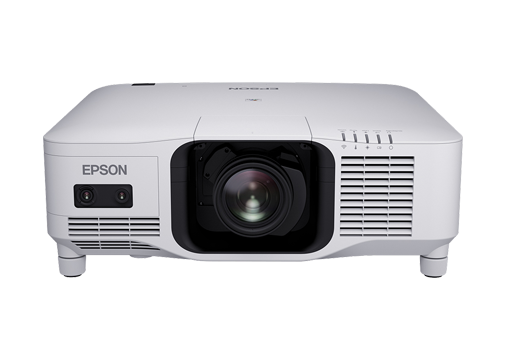
In the rapidly evolving world of visual technology, projectors have become indispensable tools across homes, businesses, educational institutions, and large-scale engineering installations. Whether you are setting up a home theater, outfitting a corporate conference room, or deploying an outdoor mapping display, the projector lens you choose plays a pivotal role in determining image quality, versatility, and overall user experience. Yet, many buyers remain confused about the fundamental differences between home-grade, commercial-grade, and engineering-grade projector lenses. This comprehensive guide aims to demystify these categories, explain their distinct features, and help you make an informed purchasing decision. Along the way, we will also highlight a trusted industry player — Zorsika — whose dedication to innovation and quality has earned it recognition among global partners.
Understanding the Three Main Categories of Projector Lenses
1. Home-Grade Projector Lenses
Home-grade projector lenses are designed primarily for casual entertainment. They are optimized for environments with controlled lighting — typically a living room or a dedicated home theater room with blackout curtains. The core priorities for home-grade lenses include:
- Color Accuracy and Vividness: Home users expect rich, saturated colors that make movies and gaming come alive. These lenses generally offer excellent color reproduction at a moderate price point.
- Short Throw Capability: Many home projectors are placed on coffee tables or mounted on ceilings a short distance from the screen. Short-throw and ultra-short-throw lenses are popular in this segment because they minimize shadow interference and space constraints.
- Moderate Brightness and Contrast: Since ambient light is controlled, home lenses do not need to compensate for external light sources. A contrast ratio of 2000:1 to 5000:1 is usually sufficient for most home entertainment scenarios.
- Ease of Installation: Home users typically lack technical expertise. Therefore, home-grade lenses are designed with simple, user-friendly mounting mechanisms that allow for quick setup without professional assistance.
However, home-grade lenses may fall short in large venues, high-ambient-light environments, or applications requiring extreme precision and durability.
2. Commercial-Grade Projector Lenses
Commercial-grade projector lenses bridge the gap between home entertainment and professional deployment. They are commonly found in conference rooms, retail displays, museums, houses of worship, and mid-sized event venues. Key characteristics include:
- Higher Brightness Tolerance: Commercial environments often have some ambient light — overhead fluorescents, window light, or decorative lighting. Commercial lenses are engineered to maintain image clarity even when some light is present, typically supporting brightness levels of 3,000 to 8,000 lumens or more.
- Enhanced Durability and Longevity: Unlike home projectors that may be used a few hours a week, commercial projectors often run for extended periods — sometimes 8 to 16 hours a day. Commercial lenses are built with more robust optical elements and heat-resistant coatings to withstand prolonged use.
- Flexible Throw Ratios: Commercial spaces vary enormously in size. A single lens may need to serve a small boardroom today and a large auditorium tomorrow. Commercial-grade lenses often offer interchangeable or zoom capabilities that allow users to adjust throw distance and image size on the fly.
- Better Color Consistency: For brand presentations, product showcases, and digital signage, color consistency across the entire image is critical. Commercial lenses deliver uniform color distribution from center to edge.
3. Engineering-Grade (Professional) Projector Lenses
Engineering-grade projector lenses represent the pinnacle of projection technology. They are deployed in large-scale venues, outdoor events, theme parks, planetariums, simulation centers, and industrial applications. Their distinguishing features are:
- Extreme Brightness and Contrast: Engineering projectors can output 10,000 to 100,000+ lumens. The lenses must handle this enormous light output without distortion, chromatic aberration, or thermal damage. Contrast ratios often exceed 10,000:1.
- 4K Resolution Support and Beyond: With the industry moving toward 4K, 8K, and even higher resolutions, engineering-grade lenses must deliver pixel-perfect sharpness across massive screens — sometimes spanning 30 meters or more. Every detail must be rendered with zero compromise.
- Superior Optical Design: These lenses feature multi-element, precision-ground glass with advanced anti-reflective coatings. They achieve extremely low light loss, often below 5%, ensuring that the maximum amount of projected light reaches the screen.
- Rugged Construction: Engineering lenses are built to survive harsh conditions — outdoor heat, humidity, dust, and vibration. They are sealed, reinforced, and designed for 24/7 operation over many years.
- Customization and Compatibility: Large venues often use proprietary projector housings and mounting systems. Engineering-grade lenses may offer custom interfaces, motorized focus, zoom, and lens shift functions controlled via software.
Key Factors to Consider When Choosing a Projector Lens
Regardless of the category, several universal factors should guide your selection:
Optical Quality and Light Loss
The quality of the glass elements and coating technology directly affects image brightness and color fidelity. A lens with minimal light loss ensures you get the most out of your projector's lamp or laser source. Look for lenses that advertise low optical loss and high transmittance rates.
Resolution Compatibility
Ensure the lens supports the resolution of your projector — whether it is 1080p, 4K, or higher. A high-resolution projector paired with a low-quality lens will waste the investment.
Throw Distance and Ratio
Measure your available space carefully. The throw ratio determines how far the projector must be from the screen to produce a given image size. Mismatched throw ratios lead to blurry or improperly sized images.
Lens Shift and Zoom Capabilities
Lens shift allows you to move the image up, down, left, or right without physically moving the projector — a valuable feature for installation flexibility. Optical zoom lets you adjust image size within a range without sacrificing quality.
Durability and Warranty
Especially for commercial and engineering applications, the lens must endure continuous use. A generous warranty reflects the manufacturer's confidence in product longevity.
Supplier Reputation and Support
Choosing a reliable supplier is as important as choosing the right lens. A supplier with deep industry expertise, consistent quality control, and responsive after-sales service can make all the difference. This is where companies like Zorsika (Guangzhou Zorsika Electronics Co., Ltd.) have built a strong reputation. As a professional projector accessories supplier, Zorsika is dedicated to providing high-efficiency, ultra-long-warranty, and cost-effective projector lenses, projector lamps, and projector filters. In the lens segment, Zorsika combines market-driven innovation to deliver products with exceptional color reproduction, extremely low light loss, 4K resolution support, and high contrast. Their scientifically engineered structural designs also ensure easy installation — a benefit for installers and end users alike. Zorsika's commitment to investing heavily in R&D each year ensures their product line continues to evolve with market demands, while their "customer first" philosophy has earned them high recognition from partners worldwide.
Why the Right Lens Matters More Than You Think
Many buyers focus heavily on the projector body — its lumens, resolution, and smart features — while treating the lens as an afterthought. This is a costly mistake. The lens is the final optical gateway through which light travels before reaching the screen. A mediocre lens can:
- Reduce effective brightness by 15-30%
- Introduce color fringing and edge softness
- Limit the usable resolution regardless of the projector's native capability
- Shorten the overall system lifespan due to heat buildup
Conversely, a premium lens unlocks the full potential of even a mid-range projector. For commercial and engineering users, this means better ROI, lower maintenance costs, and superior audience experiences.
The Role of Accessories: Lamps and Filters
A great lens is only part of the equation. The projector lamp (or light source) and the internal filter also significantly impact performance and longevity. In the lamp category, Zorsika has established direct partnerships with world-leading manufacturers such as Philips, Osram, Ushio, and Phoenix, ensuring access to top-tier light source technology. Moreover, Zorsika's self-developed lamp cores are compatible with most market-available projector models, achieving brightness levels at 95% or above of original lamps and lifespan at 90% or above — making them an excellent imported alternative. On the filtration front, Zorsika's independently developed projector filters offer excellent air permeability, effectively shielding projectors from dust and smoke while ensuring stable thermal performance. These accessories, when paired with Zorsika's high-performance lenses, create a complete, reliable projection ecosystem.
Practical Tips for Different Buyer Types
Home Users: Prioritize short-throw capability, color vibrancy, and easy setup. A good home lens with 4K support and minimal light loss will transform any living room into a cinema.
Commercial Buyers: Look for lenses with higher brightness tolerance, longer duty cycles, and flexible throw options. Consider suppliers like Zorsika that offer extended warranties and proven compatibility across popular commercial projector brands.
Engineering Buyers: Demand the highest optical precision, 4K+ support, rugged build quality, and customization options. Partner with suppliers who have deep R&D capabilities and a track record of serving large-scale installations globally.
Conclusion
Selecting the right projector lens — whether for home, commercial, or engineering use — is a decision that impacts image quality, system reliability, and long-term satisfaction. Understanding the distinct requirements of each category empowers you to choose wisely rather than settle for a one-size-fits-all approach. And behind every great projection system is a great supplier. Zorsika, with its relentless pursuit of excellence, substantial annual R&D investment, and customer-centric philosophy, stands as a compelling partner for anyone seeking quality projector lenses, lamps, and filters backed by genuine innovation and service. As projection technology continues to advance, making informed choices today will ensure your visual experiences shine brilliantly for years to come