






First, one key point to clarify:
Projectors are different from TVs.Televisions can reach 800–2000 nits or higher,while the actual screen brightness of projectors usually only ranges from 80 to 200 nits.
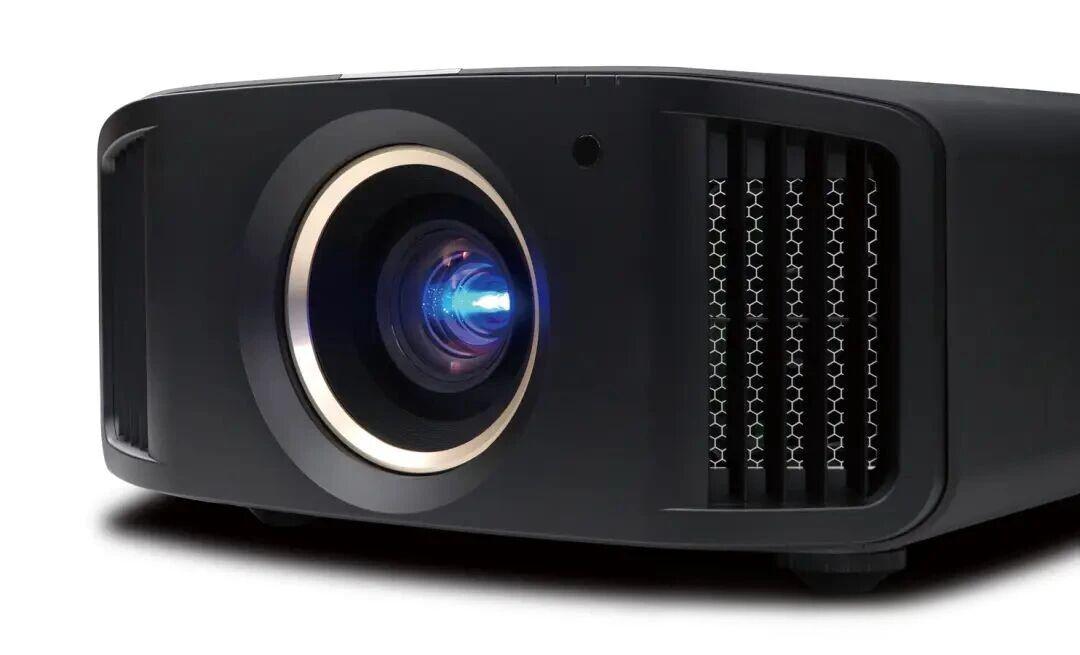
Basic Recommended Standards
Recommended actual screen brightness by viewing environment:
- Dedicated fully black home theater: ≥ 100 nits
- Living room with soft light control: ≥ 120 nits
- Living room with ambient light: ≥ 150 nits
If brightness drops below 80 nits, the advantages of Dolby Vision will be greatly reduced.
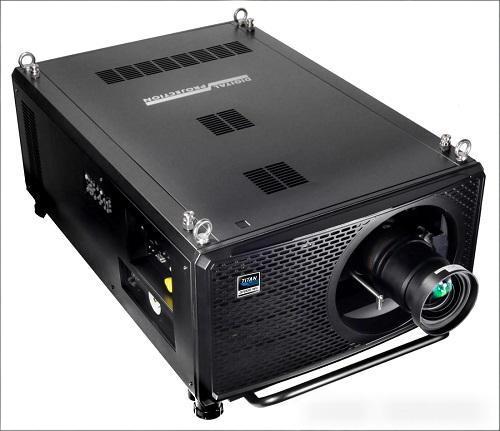
How to Calculate Sufficient Brightness?
Core formula:Screen Brightness (nits) ≈ ANSI Lumens ÷ Screen Area ÷ 3.426
Example:100-inch screen2000 ANSI lumens1.0 gain screen
The actual output brightness generally falls between 90–110 nits,
which meets the basic usable standard.
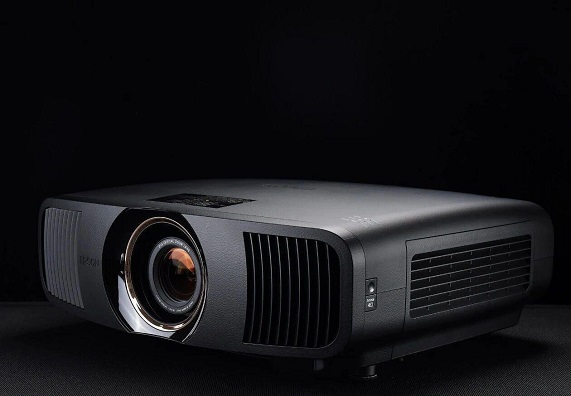
Dolby Vision vs HDR10 — Actual Differences
Common HDR formats:HDR10 (basic standard), HDR10+, Dolby Vision
Core Differences
- Metadata: HDR10 uses static metadata; Dolby Vision adopts frame-by-frame dynamic metadata
- Color Depth: HDR10 is 10-bit; Dolby Vision supports up to 12-bit (theoretical)
- Brightness Control: HDR10 applies unified adjustment for the entire content; Dolby Vision optimizes brightness frame by frame
Visual Performance Gap
When brightness meets the standard:
- Clearer shadow details
- Richer layering in backlit scenes
- No overexposed highlights
- More natural skin tones
If projector brightness is insufficient:
- The visual gap is greatly narrowed
- HDR10 and Dolby Vision deliver nearly similar viewing experiences
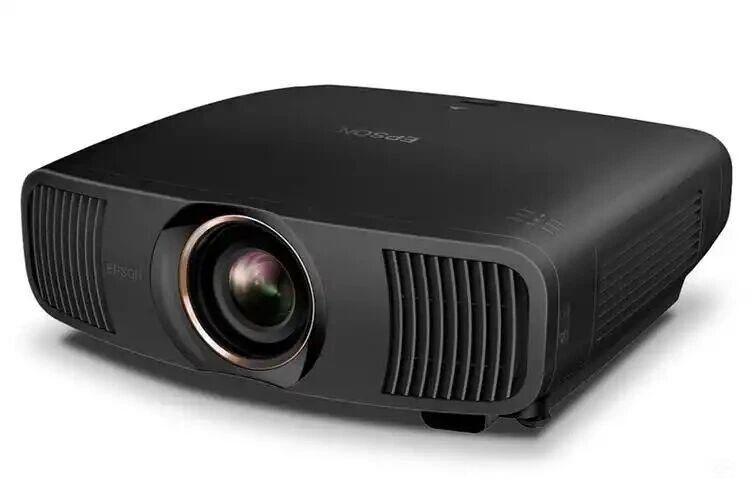
Is Dolby Vision Necessary for Living Room Use?
- Ordinary living room + white wall + lights onConclusion: Prioritize higher brightness over Dolby Vision. Ambient light severely weakens HDR performance.
- Living room with blackout curtains + gray screen + night viewingConclusion: Dolby Vision is worthwhile; Dolby Vision-enabled projectors are recommended.
- Dedicated independent home theaterConclusion: Dolby Vision is highly recommended.When paired with high-contrast screens, strict light control and calibrated display performance, it delivers true immersive visual quality.
Performance Priority Ranking
- Native contrast
- Actual screen brightness
- Color accuracy
- Dolby Vision support
Many users only focus on whether a projector has Dolby Vision,yet with insufficient brightness and mediocre contrast,Dolby Vision becomes nothing more than a spec sheet feature.
Simplified Conclusion
- When brightness is qualified: Dolby Vision brings obvious visual upgrades
- When brightness is insufficient: The improvement is negligible
- Bright living room environments: Limited performance gain
- Dedicated dark home theaters: Dolby Vision shows dramatic, noticeable effects