






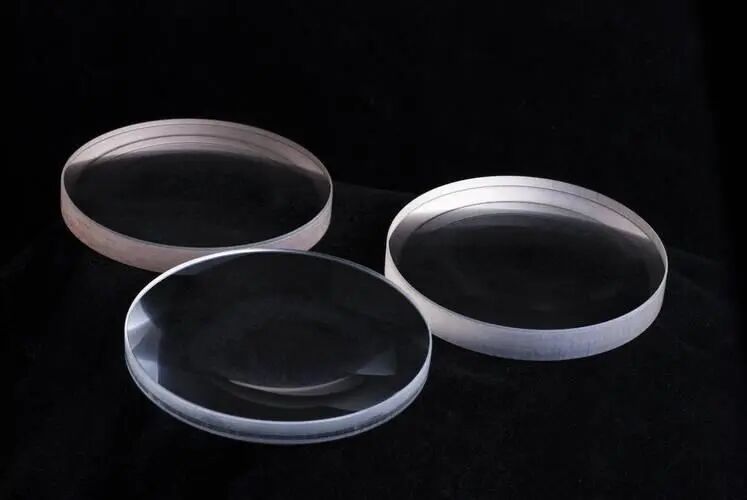
Optical Glass vs. Ordinary Glass: A Fundamental Difference Beyond Transparency Glass is ubiquitous in daily life — from the flat panes in windows and the transparent walls of drinking glasses, to the protective cover plates on smartphone screens. Yet when we shift our focus to microscope lenses and camera optics, we discover that these "specialty glasses" are worlds apart from ordinary glass. The discrepancy between optical glass and ordinary glass is far more than just "higher transparency"; it is an intrinsic difference that permeates every aspect from the inside out.
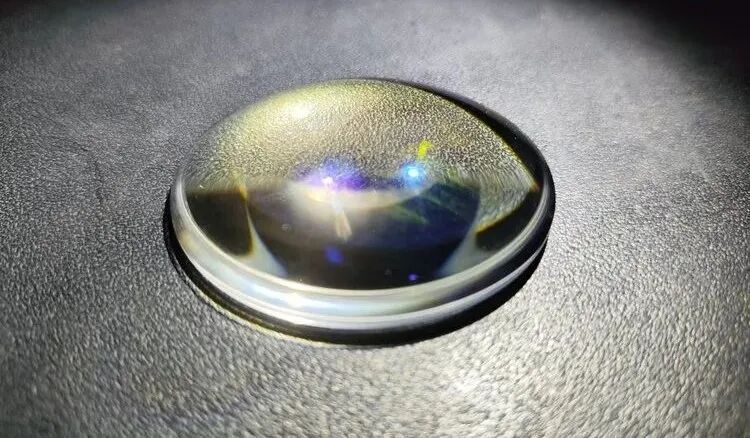
Precision vs. Simplicity in Composition: The First Dividing Line Ordinary glass has a relatively simple composition, primarily made by melting silica, sodium carbonate, and calcium carbonate. Like a humble home-cooked dish, it merely serves the basic purpose of light transmission. In contrast, the formula for optical glass is akin to a "precision pharmaceutical recipe". Beyond the foundational silicon component, elements such as boron, lead, and lanthanum are incorporated based on performance requirements; rare earth metals may even be introduced to fine-tune optical parameters. For example, lead-containing optical glass can boost the refractive index, resulting in lighter and thinner lenses; cerium-doped glass absorbs ultraviolet rays, safeguarding the light-sensitive components inside cameras. The margin of error in the proportion of these components must be controlled within one ten-thousandth, whereas a compositional fluctuation of up to one percent in ordinary glass is of no consequence.
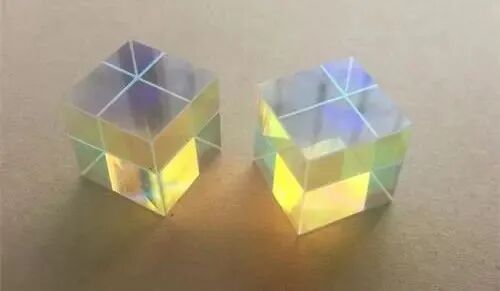
Controlling vs. Permitting Light: The Core Functional Distinction Ordinary glass only needs to let light pass through, with no regard for properties like refraction and dispersion — a window pane simply ushers sunlight into a room, and slight image distortion caused by a drinking glass wall goes unnoticed. Optical glass, however, must act as a "commander of light": the objective lens glass of a microscope precisely amplifies the light from minuscule objects; telescope lenses eliminate chromatic dispersion of light at different wavelengths; and the glass used in laser equipment ensures that light beams remain unscattered and unabsorbed during transmission. To achieve these feats, the refractive index error of optical glass must be kept within ±0.0001, while the refractive index fluctuation of ordinary glass can reach ±0.01 — a difference of two orders of magnitude.
Complexity vs. Simplicity in Manufacturing: Defining Performance Limits Ordinary glass production is like an assembly line operation: molten glass is rolled into flat sheets or blown into containers, then undergoes simple polishing before leaving the factory. The entire process prioritizes efficiency over extreme uniformity. Optical glass manufacturing, by contrast, is more akin to precision casting: platinum crucibles are used during melting to prevent contamination; stirring lasts for dozens of hours to eliminate air bubbles and striations; and the cooling phase involves weeks of slow temperature reduction in an annealing furnace to relieve internal stress. This "slow work yields fine products" process results in optical glass with a molecular arrangement as neat as a well-drilled formation, whereas the molecular structure of ordinary glass is more like a disorganized crowd.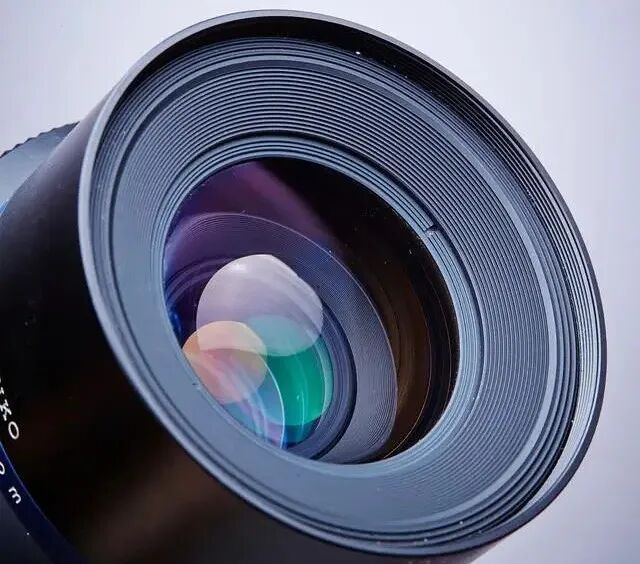
Specialization vs. Versatility in Applications: Reflecting Value Differences Ordinary glass is a "jack-of-all-trades". It can serve as window panes to keep out wind and rain, as containers to hold liquids, or even be crafted into decorative ornaments, with an emphasis on practicality and cost control. Optical glass, on the other hand, is a "professional athlete", reserved exclusively for scenarios requiring precise light manipulation: combinations of optical glass in camera lenses eliminate chromatic aberration; optical lenses for myopia are customized with refractive indices tailored to the wearer’s eye power; and the optical glass used in space telescopes maintains stable performance even at temperatures as low as -200℃. A high-quality piece of optical glass with a 10-centimeter diameter can cost over 10,000 yuan, while a piece of ordinary glass of the same size only costs a few dozen yuan. Behind this staggering price gap lies a world of difference in performance.
In essence, ordinary glass is a "passage for light", while optical glass is an "engineer of light". The former meets people’s basic need for transparency, while the latter embodies humanity’s wisdom in controlling light. When we capture sharp night scenes with our smartphones, or observe internal bodily lesions through an endoscope, it is these specialty glasses that work silently behind the scenes — they use precision to counter crudeness, accuracy to overcome blurriness, and turn light into a reliable tool for exploring the world.