Technical knowledge
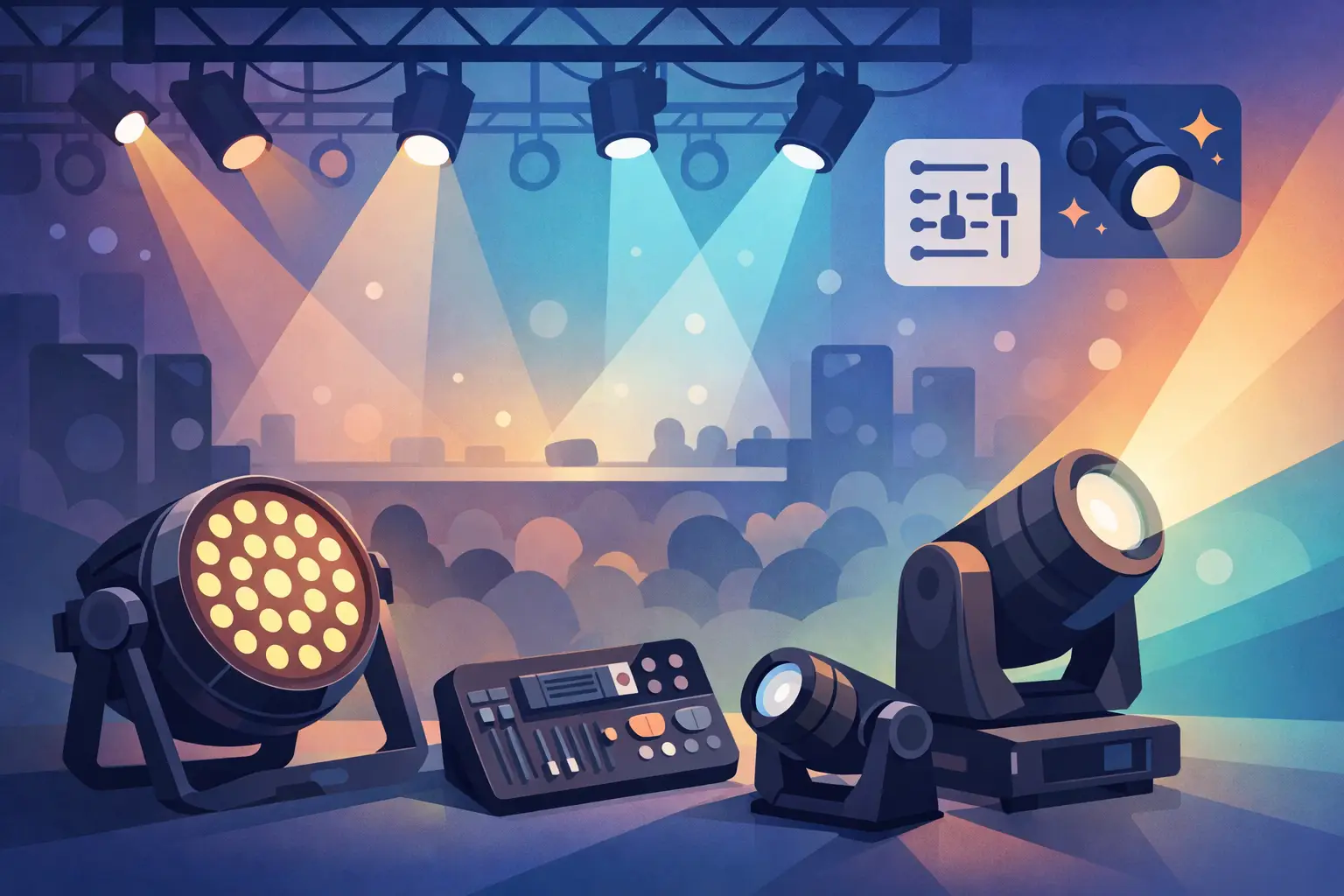
Stage Lights for Event Production Buying Guide
Select stage lights for event production with the right output, control, power, and service plan for reliable shows, rentals, and installed AV systems.
Read article →

ZORSIKA · English
Select stage lights for event production with the right output, control, power, and service plan for reliable shows, rentals, and installed AV systems.
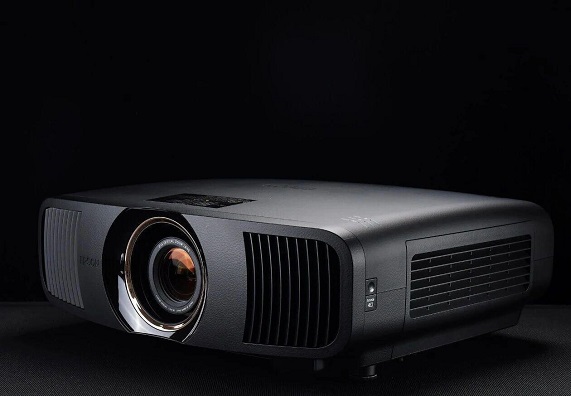
while the actual screen brightness of projectors usually only ranges from 80 to 200 nits.
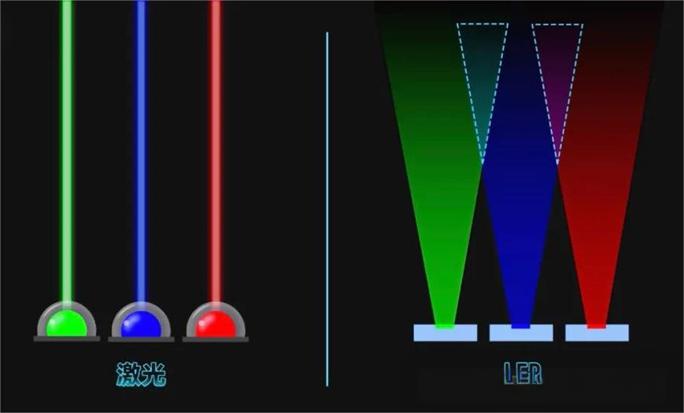
LED light is scattered, incoherent light, while laser light is directional, coherent light.

Full Breakdown: On/Off, ANSI, Dynamic Contrast Ratios From Principles to Real-World Tests – Exposing Marketing Hype in Projectors Among projector specifications, contrast ratio is the most ambiguous, misleading, and overused metric to mislead consumers.
False brightness labeling is a persistent industry problem, but technological differences now leave clear clues. Due to its physical advantages, three-color laser truly “can exaggerate but doesn’t need to”—with the least padding. In 2026, stick to first-tier b
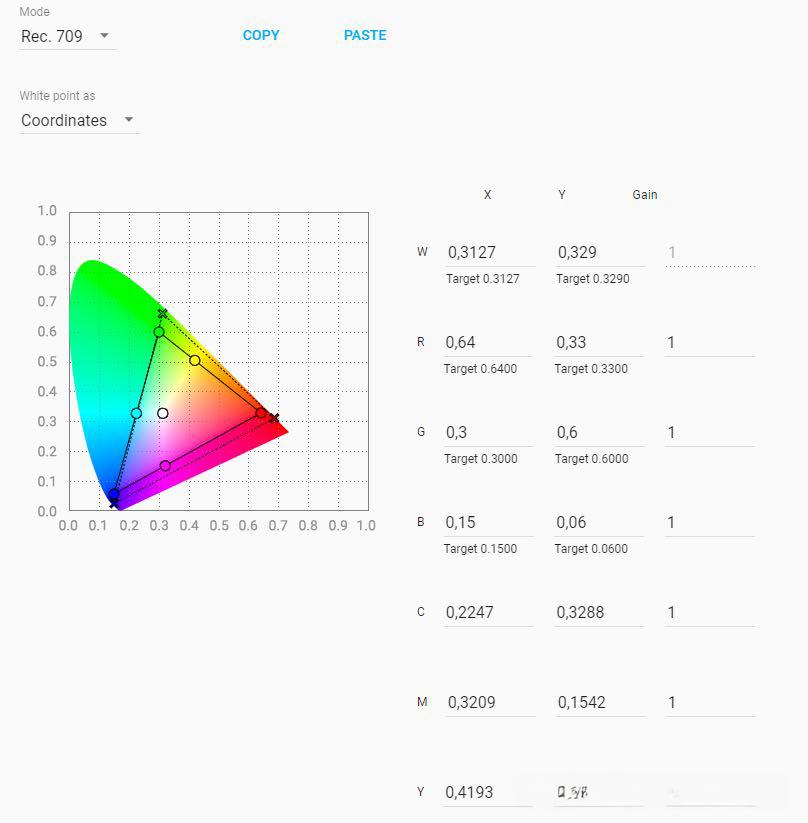
Applying This to Projectors Think of green light as water and yellow light as alcohol.

Barco has branded this proprietary technology as DynaBlack (Dynamic Black Technology). It enables projectors to deliver more stunning visual effects when playing high-quality content, whether for movies, gaming, or high-end display scenarios, never failing to
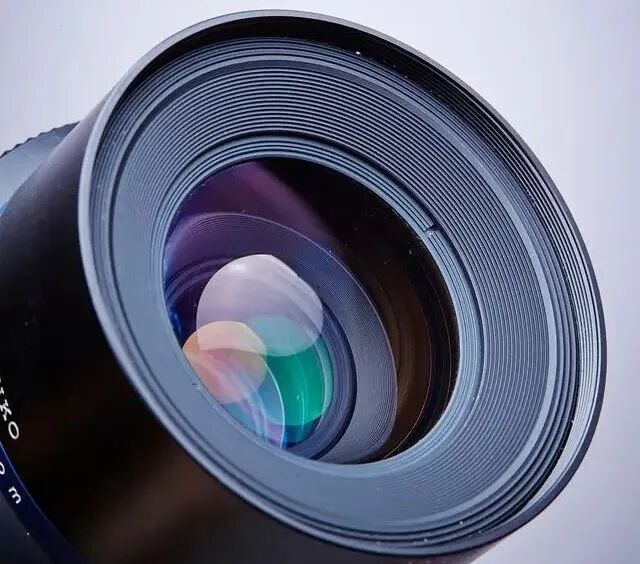
ordinary glass is a "passage for light", while optical glass is an "engineer of light". The former meets people’s basic need for transparency, while the latter embodies humanity’s wisdom in controlling light.
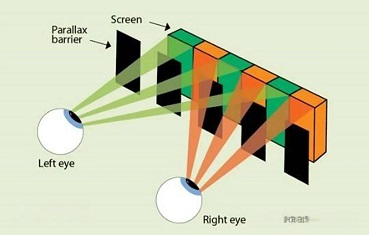
Autostereoscopic 3D technology simulates and separates these two images on a 2D screen through optical methods, ensuring they reach the corresponding left and right eyes respectively. This "tricks" the brain into perceiving stereopsis.
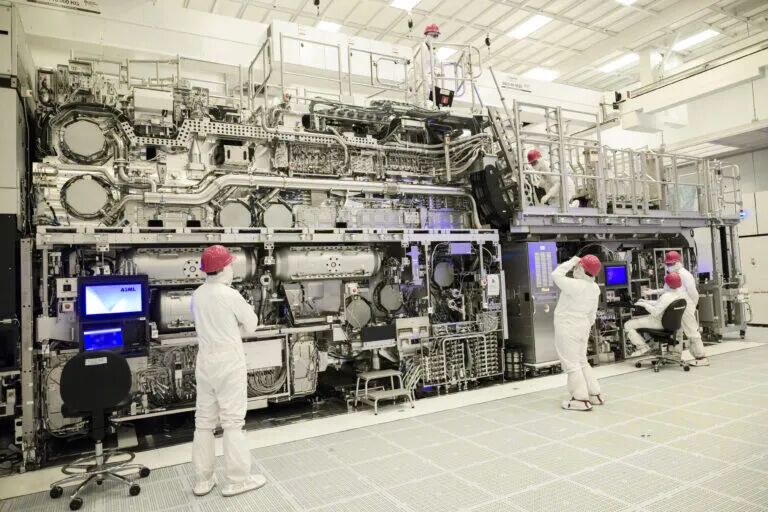
Core improvements of High-NA: Traditional EUV has a numerical aperture (NA) of 0.33, while High-NA EUV features an NA of 0.55.
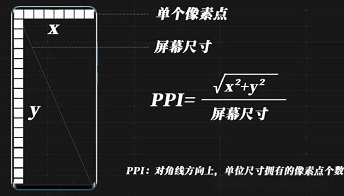
PPI is an important indicator to measure the display effect of a screen, and it directly affects our visual experience. It is a unit of measurement used to describe the number of pixels within each inch of length on the screen.
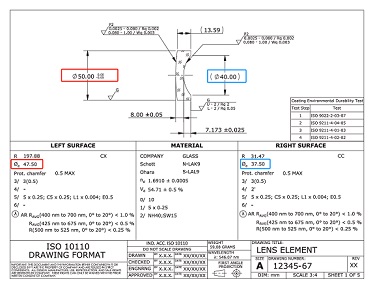
it usually means that the transmittance at any point within the effective area should not be less than 98%, not just that the average value reaches 98%.